Twitter AI Coding - 2026-05-18
1. What People Are Talking About
1.1 GitHub Copilot is widening into a session platform 🡕
The strongest GitHub thread today was not autocomplete quality, but workflow surface area. Across at least six separate posts, Copilot was shown as a remotely supervised runtime, a programmable context layer, a hooks target, a terminal status surface, and the engine inside custom automations and native apps. That is a meaningful shift from the prior day's billing-centered discussion: on May 17, Copilot was mostly being judged for pricing and trust, while on May 18 the feed spent more time on what a Copilot-centered workflow can now do.
@github announced (93 likes, 9 replies, 16,681 views) that remote control for GitHub Copilot CLI and @code sessions is now generally available. The linked docs add the operational detail missing from the tweet: remote control works only for interactive sessions, requires the local machine to stay online, and can be policy-gated for org-owned seats. @GHchangelog added (19 likes, 1,807 views) that the Copilot Spaces API is now generally available too, giving programmatic CRUD over spaces, collaborators, and resources such as repositories, files, issues, pull requests, and free text.
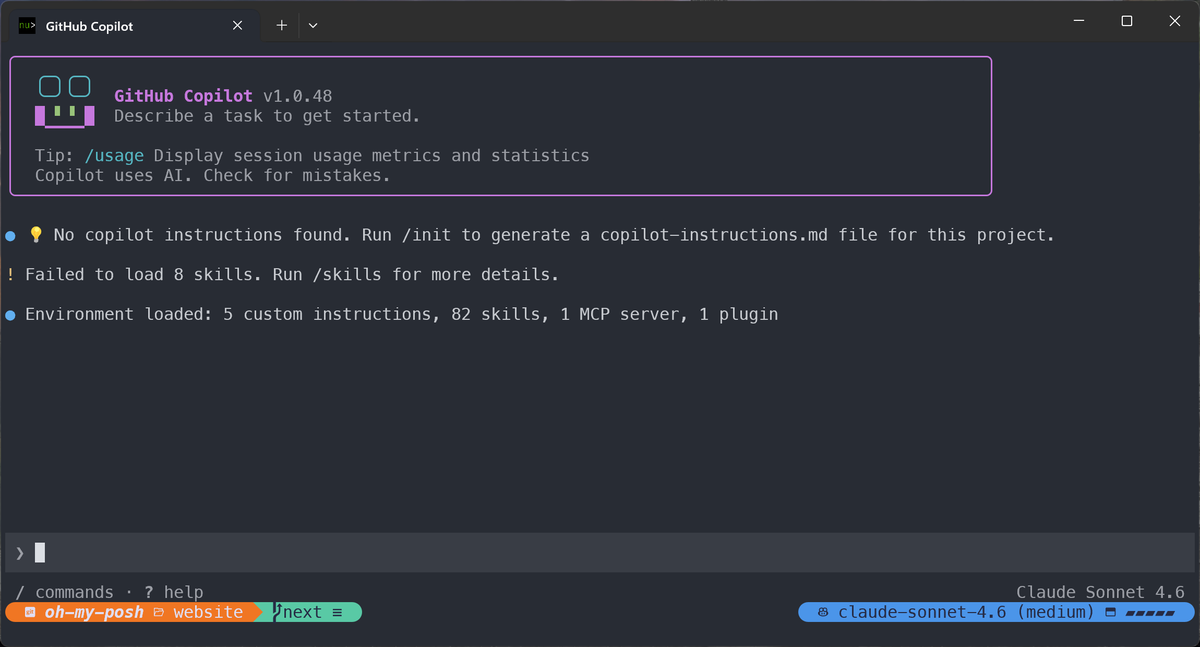
@JohnLokerse shared (16 likes, 379 views) a more deterministic extension point: Copilot hooks. His linked post describes a PostToolUse hook that watches for summary.json, then runs PowerShell, Microsoft MAI-Voice-1, and Remotion to turn a completed session into a narrated changelog video. @jandedobbeleer showed (42 likes, 36 bookmarks, 5,167 views) a complementary terminal pattern: an Oh My Posh integration that surfaces Copilot model, remote-session state, transcript path, and token gauges directly in the shell prompt.
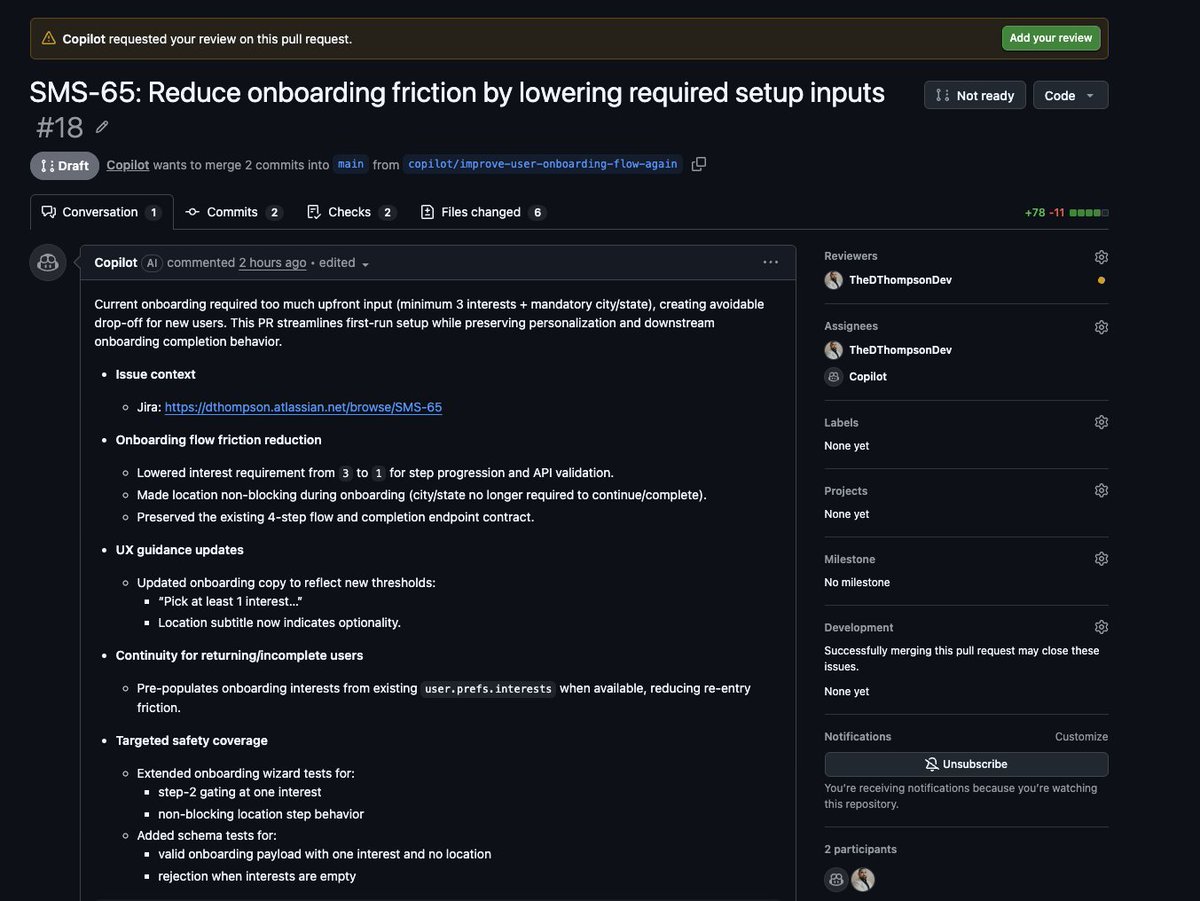
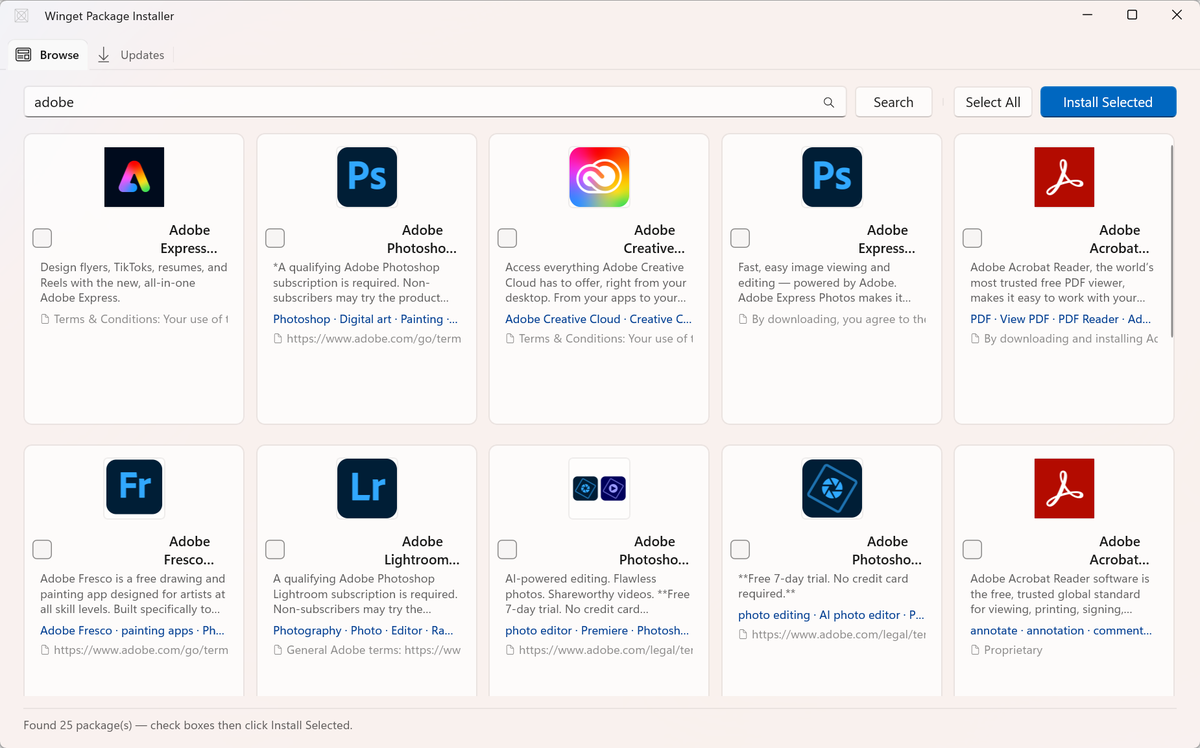
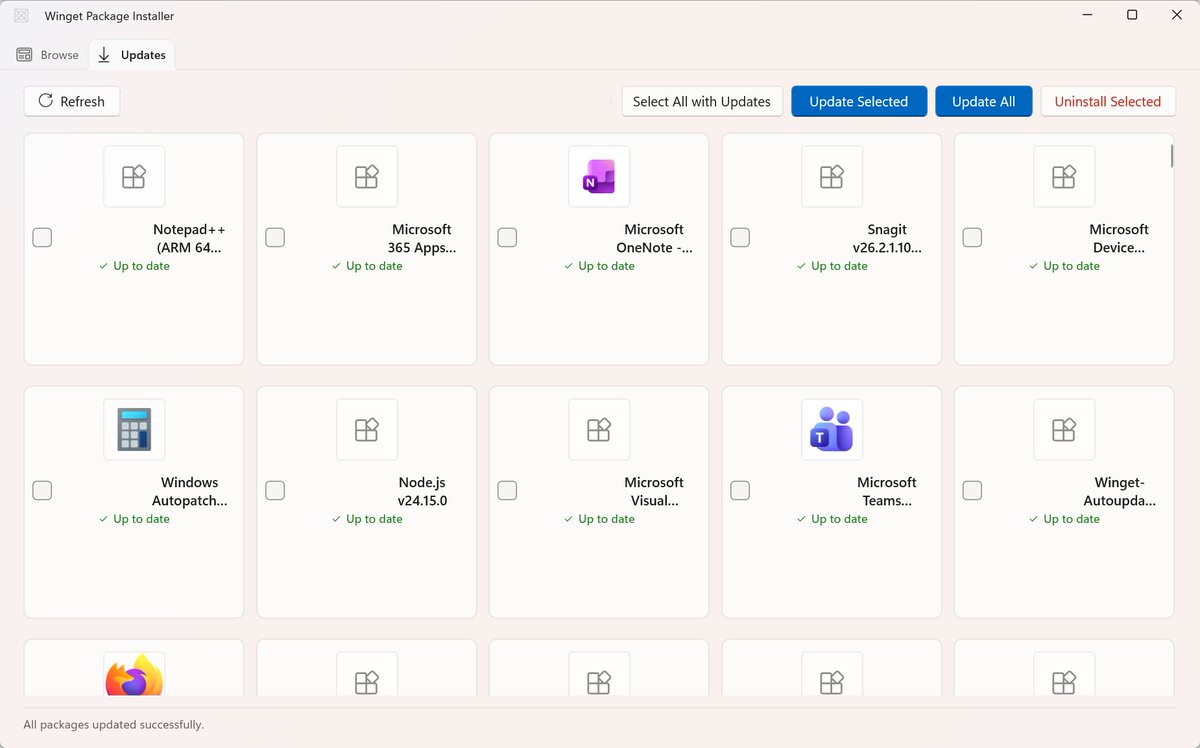
The most concrete workflow builds sat below the product announcements. @DThompsonDev showed (10 likes, 4 replies, 1,052 views) a flow where WhatsApp voice messages create Jira tickets and trigger Copilot-driven changes through Forge, Gemini, and Rovo AI, while @PerLarsen1975 reported (33 likes, 3 replies, 3,335 views) that a few hours with Copilot plus the new WinUI agent plugin was enough to build a Windows ARM Winget manager.
Discussion insight: The top pushback was not against remote control itself, but against weak handoffs. A reply to GitHub's launch post said remote control only becomes useful once the handoff includes the current branch, diff, last command, test state, and explicit bounds on what the agent can touch.
Comparison to prior day: On May 17, Copilot's dominant storyline was billing shock and quota confusion, with the desktop app only a small counter-signal. On May 18, the center of gravity moved toward remote control, hooks, APIs, prompt telemetry, and workflow integrations.
1.2 Antigravity is still a rumor market, but the evidence got more concrete 🡕
Google Antigravity remained one of the loudest speculative threads in the feed, but the conversation got more evidence-dense than it was on May 17. Instead of broad I/O anticipation alone, today's feed revolved around screenshots of routing behavior, hands-on reports that "Flash" felt different, and direct frustration that Google still has not explained the product's direction clearly. Four separate posts supported the theme, and the disagreement is part of the signal.
@LexnLin posted (214 likes, 9 replies, 7,237 views) a Google I/O wishlist that explicitly asked for "better antigravity" and better UX. In replies, one user said the current 3 flash option in Gemini CLI and Antigravity may already be a newer Flash build, which is exactly the ambiguity the rest of the day's evidence tried to resolve.
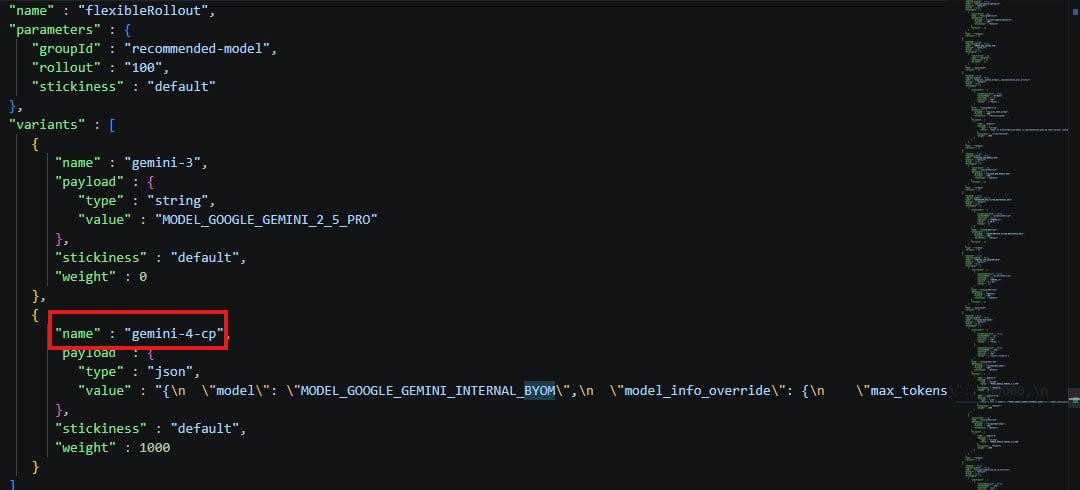
@haider1 reported (99 likes, 14 replies, 7,700 views) that an Antigravity API response showed gemini-4-cp at weight 1000 while Gemini 3 sat at 0. The screenshot does not prove a public launch, but it does show why people started treating "Gemini 4 in Antigravity" as more than rumor. Replies immediately split between "internal eval routing" and "Google is stress-testing Gemini 4 before I/O."
@HarshithLucky3 said (113 likes, 12 replies, 9,418 views) Google had silently swapped in a smarter Flash model under the existing 3 flash label. The reply thread again split: several users said the model felt faster and more capable at coding, while another pushed back that the knowledge cutoff had not changed. @zavxai captured (19 likes, 17 replies, 1,751 views) the other side of the same theme by asking why Google stopped pushing Antigravity at all; replies ranged from "Antigravity is dead" to "they're cooking something big."
Discussion insight: Antigravity attention is now driven by screenshot forensics and anecdotal before/after reports, not official naming. The uncertainty is not whether people still care; it is whether Google will turn scattered evidence into a coherent roadmap.
Comparison to prior day: On May 17, Antigravity was in a pre-I/O holding pattern, with pricing-page evidence that the product still existed but plenty of operational frustration. On May 18, the discourse moved one step closer to leak culture: model weights, silent swaps, and version-name debates.
1.3 Codex talk moved toward operating patterns and enterprise runtime 🡕
Codex was discussed less as a generic coding assistant and more as a system to configure, diagnose, keep running, and deploy inside enterprise infrastructure. Four posts anchored this shift: one on best practices, one on CLI hardening, one on always-on execution, and one on hybrid/on-prem rollout. Relative to May 17, the Codex conversation became more operational.
@godofprompt argued (40 likes, 9 replies, 37 bookmarks, 2,767 views) that people getting the best results from Codex are not just prompting better; they are treating it like a teammate by moving from structured prompts to AGENTS.md, skills, and finally automation. The attached cheat sheet condensed that operating model, and replies sharpened it further by arguing that AGENTS.md should also specify where the agent must stop and what it must not touch.

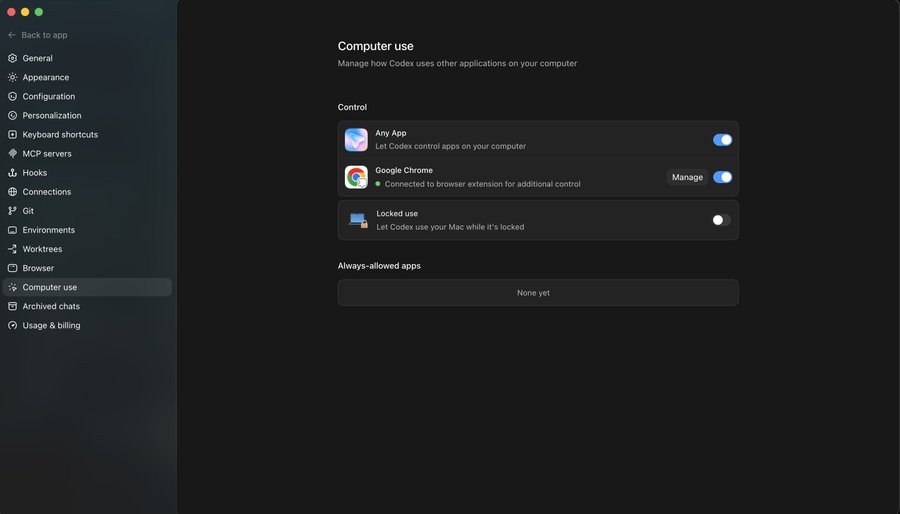
@CodexReleases announced (68 likes, 7 replies, 3,210 views) Codex CLI 0.131.0, whose notable additions were codex doctor, approval modes, better token and workspace telemetry in the TUI, and unified @ search across files, directories, plugins, and skills. @WesRoth shared (20 likes, 6 replies, 1,230 views) a screenshot of a macOS "Locked use" setting for Codex, framed in replies as the practical ability to let an agent keep working after the lid is closed.
Finally, @wallstengine relayed (77 likes, 6 replies, 13,943 views) OpenAI's enterprise push with Dell: Codex inside hybrid and on-prem AI infrastructure, with claimed use cases spanning code review, test coverage, incident response, report preparation, product-feedback routing, lead qualification, and follow-up writing. That turns Codex from an individual dev tool into part of a governed enterprise stack.
Discussion insight: The replies around Codex were increasingly about boundaries: what to save in AGENTS.md, what diagnostics a mature CLI needs, and how far always-on execution should go before security and policy concerns catch up.
Comparison to prior day: On May 17, Codex was still strongly associated with quotas, resets, and migration comparisons. On May 18, the stronger evidence was about configuration, diagnostics, runtime persistence, and enterprise deployment.
1.4 “Vibe coding” is being reframed as supervised debugging, not delegation 🡕
A smaller but consistent theme today was a pushback against hands-off "just prompt it" rhetoric. The public examples pointed in one direction: if AI helps shipping, it does so when humans keep scope tight, review outputs, and debug what breaks. That is a sharper posture than May 17's humor about skill atrophy.
@PrajwalTomar_ wrote (2 likes, 2 replies, 281 views) that most vibe coders fail once migrations, schema changes, or build errors appear, and said flatly that "knowing how to debug what AI builds is the new senior dev skill." @DavidOndrej1 made (8 likes, 2 replies, 293 views) the same distinction in more operational language: "agentic engineering not vibe coding," with small PRs, code-structure skills after each feature, Greptile feedback loops, and all-code backends to avoid invisible dashboard state.
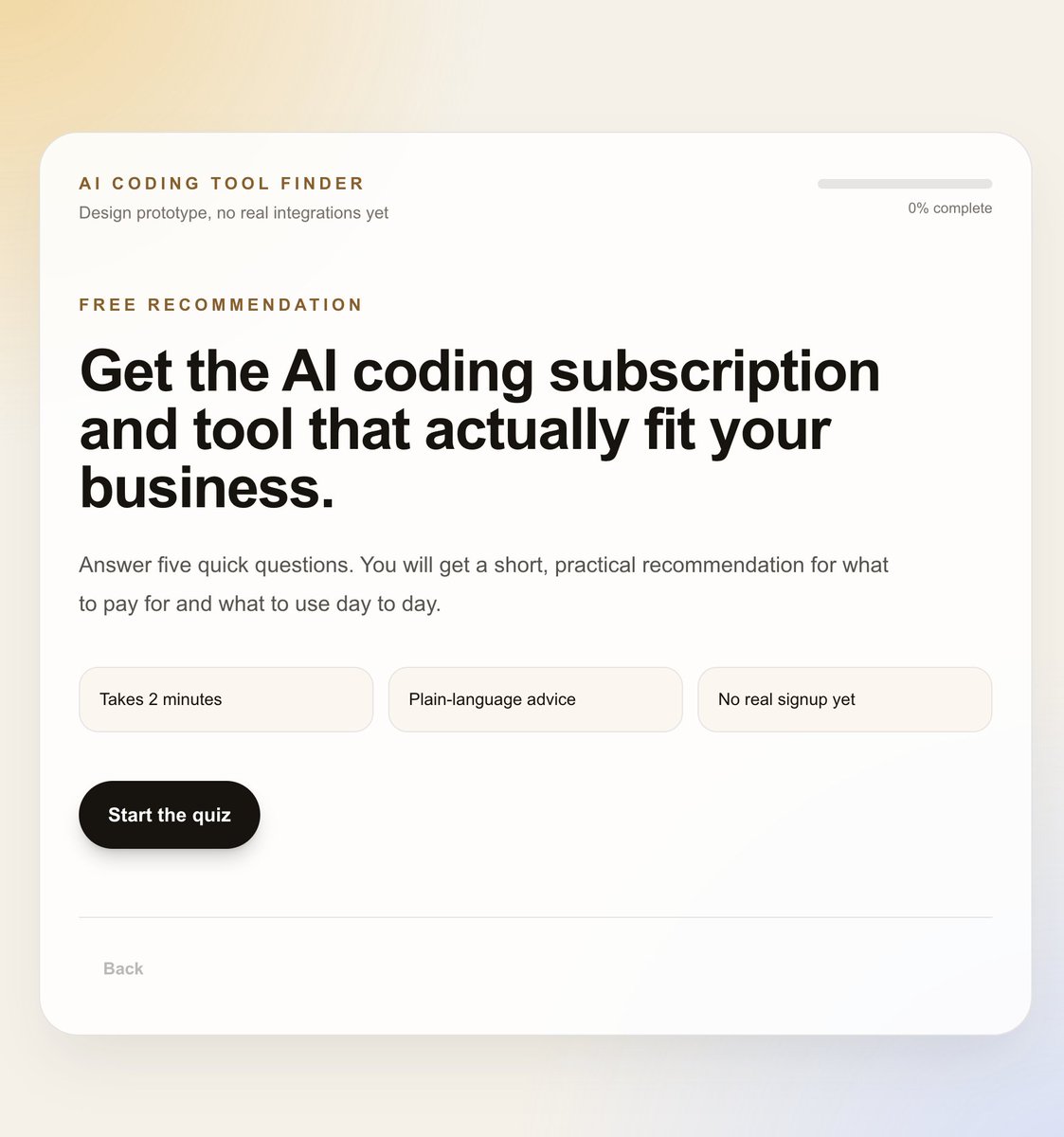
The bluntest failure case came from @robinebers, who posted (5 likes, 4 replies, 293 views) a Codex-generated mockup after asking for a "Typeform-like lead magnet." The resulting screen looked like a half-finished toy, which is precisely the complaint behind today's more structured playbooks.
Discussion insight: The interesting shift is that even people still bullish on agentic workflows are now describing the value as speed under supervision, not autonomy without review.
Comparison to prior day: On May 17, the anti-vibe-coding signal was mostly anxiety and jokes about forgetting how to code. On May 18, the stronger evidence was procedural: debug-first checklists, feedback loops, and concrete examples of where vague delegation fails.
2. What Frustrates People
Account boundaries and admin visibility are still opaque
The sharpest anxiety thread in the feed came from @AishwaryaDevv, who asked (281 likes, 117 replies, 190,294 views) what happens if someone accidentally uses a company GitHub Copilot seat on a personal private repo. The discussion was not about leaked source code; it was about what enterprise admins can actually see. Replies focused on activity metadata, repo visibility, and unusual token-spend spikes, and the author explicitly said the scary part was not content exposure but "weird usage spikes looking suspicious." Severity: High.
The same visibility problem showed up in the remote-control discussion. A reply to @github's launch post said the feature only becomes trustworthy once the handoff includes the current branch, diff, last command, test state, and what the agent is allowed to touch next. Together, these threads point to the same frustration: teams can now run agents across more surfaces, but they still lack clear receipts for what the agent did and what admins can observe. Worth building for: Yes. The need is immediate, specific, and already affecting real workplace behavior.
Free and open coding stacks still break at runtime
@badlogicgames warned (182 likes, 9 replies, 11,467 views) that OpenCode users leaning on Pi's free-model path should expect hard rate limiting because the headers needed to avoid throttling are not added there. In replies he clarified that the problem is specific to free-model usage through zen/go and that paid or non-free model routes should be fine. Severity: High for heavy users trying to build a real workflow around "free" capacity.
@LukeParkerDev added (21 likes, 4,889 views) a separate OpenCode-adjacent infrastructure failure: disk pressure from Bun temp files. The linked Bun issue says bun:ffi can leak hidden temporary native files, and the issue body explicitly references downstream OpenCode reports. The current coping pattern is manual cleanup of the Bun temp directory and avoiding assumptions that free-model or local-runtime setups are operationally free. Worth building for: Yes. This is a classic reliability wedge around routing, temp-file hygiene, and background housekeeping.
Vague delegation still produces weak output
The cleanest visual failure case was @robinebers, who posted (5 likes, 4 replies, 293 views) the result of asking Codex for a "Typeform-like lead magnet." The output was a thin, clearly incomplete mockup rather than something close to production. @PrajwalTomar_ framed (281 views) the broader pattern more bluntly: beginners think AI is magic until a database migration breaks, an API schema changes, or the build fails. @DavidOndrej1 argued (293 views) for "agentic engineering not vibe coding," with small PRs, explicit planning, and feedback loops instead of hands-off delegation. Severity: Medium to High.
The coping pattern is not abandoning agents; it is reintroducing supervision. People are scoping tasks more tightly, preferring all-code stacks where the agent can actually see the system, and adding review loops before trusting outputs. Worth building for: Yes, but the opportunity is workflow guardrails and debugging assistance, not another promise that the agent can ship everything alone.
3. What People Wish Existed
Remote control with receipts and policy clarity
The wish behind today's Copilot threads is not just "remote access." It is remote access with enough context and auditability to trust it. The clearest formulation came in a reply to @github's launch post (93 likes, 16,681 views): remote control is only useful if the handoff includes the current branch, diff, last command, failing or passing tests, and allowed scope. @AishwaryaDevv asked (281 likes, 117 replies, 190,294 views) the adjacent policy question from the other side: what can enterprise admins actually see when Copilot is used on the wrong account? This is a practical need, not an emotional one. Opportunity rating: direct.
Always-on agents that can keep working when the human steps away
@WesRoth shared (20 likes, 6 replies, 1,230 views) a leaked Codex "Locked use" setting for macOS, and the replies explained the job-to-be-done clearly: people want to close the lid and let the agent keep running. The linked GitHub remote-control docs make the same need visible from another angle by requiring the local machine to stay online for remote supervision. What people want is a durable runtime, not a fragile one-machine session. Opportunity rating: direct.
Antigravity with official naming, clearer UX, and a public roadmap
@LexnLin put (214 likes, 9 replies, 7,237 views) the need in wishlist form ahead of Google I/O: better Antigravity and better UX. The rest of the day's evidence shows why. @haider1 surfaced a gemini-4-cp routing screenshot, @HarshithLucky3 claimed the 3 flash label was already masking a smarter model, and @zavxai asked why Google had stopped pushing Antigravity at all. The need is clear: users want Google to explain what model they are on, whether the product is strategic, and what changes are actually rolling out. Opportunity rating: aspirational.
Guided, debug-first workflows for non-experts
@PrajwalTomar_ described the missing thing in beginner vibe coding as the ability to survive migrations, schema changes, and broken builds. @DavidOndrej1 answered with a more structured recipe: small PRs, explicit planning, code-structure skills, and feedback loops that force the agent to repair its own work. This is partly a practical need and partly an educational one, but it is urgent because users are already shipping with these tools. Opportunity rating: direct and competitive.
4. Tools and Methods in Use
| Tool | Category | Sentiment | Strengths | Limitations |
|---|---|---|---|---|
| GitHub Copilot / Copilot CLI | AI coding assistant + CLI | (+/-) | Remote control GA, hooks, Spaces API, usable inside custom voice/Jira workflows and WinUI app building | Admin visibility is unclear, handoff receipts are still thin, trust depends on better auditability |
| Antigravity | AI coding IDE | (+/-) | High user demand, perceived Flash/Gemini quality improvements, strong pre-I/O mindshare | Naming and rollout are unclear, evidence is rumor-led, community is unsure how strategic the product is |
| Codex / Codex CLI | AI coding agent | (+/-) | AGENTS.md and skills workflows, codex doctor, approval modes, on-prem trajectory, locked-use work |
Vague design requests still fail badly, and runtime/security boundaries are still being discovered |
| OpenCode | AI coding agent | (+/-) | Flexible zen/go setup and appeal of low-cost or free model paths | Free-model routes can be rate-limited hard; users also inherit runtime quirks from the local stack |
| Bun | JavaScript runtime | (-) | Fast local runtime used under agent tooling | bun:ffi temp-file leakage can create disk pressure in real OpenCode workflows |
| Oh My Posh Copilot segment | Prompt / statusline | (+) | Surfaces model, remote state, transcript path, token gauges, and line changes directly in the terminal | Requires manual shell setup and solves observability rather than model quality |
| Copilot Hooks | Workflow automation | (+) | Deterministic trigger points for post-tool scripts and release pipelines | Requires custom scripting plus external services such as PowerShell, voice models, or rendering tools |
| Copilot Spaces API | Context / knowledge API | (+) | Programmatic CRUD over spaces, collaborators, and resources such as repos, files, issues, and PRs | Adds policy, scope, and access-management complexity that teams must govern |
The satisfaction spectrum today ran from people extending Copilot into deeper workflows to people discovering where cheap or unsupervised setups break. Copilot had the widest product-surface story; Codex had the strongest autonomy-and-operations story; Antigravity had the highest rumor premium. The most visible workaround pattern was not switching tools wholesale, but instrumenting them: prompt telemetry in Oh My Posh, deterministic hooks, small-PR review loops, and manual cleanup of runtime side effects. The clearest migration pressure sat on OpenCode users who want low-cost/free access but are being reminded that routing and local-runtime hygiene matter just as much as model quality.
5. What People Are Building
| Project | Who built it | What it does | Problem it solves | Stack | Stage | Links |
|---|---|---|---|---|---|---|
| Oh My Posh Copilot segment | @jandedobbeleer | Adds Copilot session telemetry to the terminal prompt | CLI users need live visibility into model, tokens, remote state, and session context without leaving the shell | Oh My Posh, GitHub Copilot CLI | Shipped | docs / tweet |
| Hook-driven changelog video generator | @JohnLokerse | Uses Copilot hooks to turn a finished session into a narrated changelog video | Makes Copilot workflows more deterministic and creates an artifact after the agent finishes | Copilot Hooks, PowerShell, Microsoft MAI-Voice-1, Remotion | Alpha | blog / tweet |
| Voice-to-Jira Copilot workflow | @DThompsonDev | Converts WhatsApp voice messages into Jira tickets and then into Copilot-generated code changes | Lets work start from a phone voice note instead of a keyboard-first issue queue | WhatsApp, Forge, Gemini, GitHub Copilot, Rovo AI | Alpha | tweet |
| Winget Package Installer | @PerLarsen1975 | Native Windows ARM app that searches, installs, updates, and uninstalls Winget packages | Shows how a non-developer can build a practical desktop utility quickly with agent help | GitHub Copilot, WinUI agent plugin, Winget, Windows ARM | Alpha | tweet |
| Vision-link | @athrix_codes | Open-source package that lets MCP clients watch and listen, including YouTube captions and metadata ingestion | Gives coding agents multimodal context instead of text-only inputs | TypeScript, npm, MCP clients | Shipped | GitHub / tweet |
The strongest builder pattern was not "new foundation model," but scaffolding around existing agents. @jandedobbeleer built a lighter-weight observability layer for Copilot CLI, while @JohnLokerse used hooks to make Copilot output trigger a downstream media pipeline. Both are examples of builders treating the agent as one component inside a workflow rather than the workflow itself.
@DThompsonDev and @PerLarsen1975 showed the same pattern in more end-user-facing ways: one turned mobile voice intake into ticketed engineering work, and the other used Copilot plus a WinUI plugin to ship a native Windows utility. The common trigger is operational friction, not novelty — ticket intake, package management, and status visibility.



Vision-link extends the pattern in a different direction. @athrix_codes introduced (9 likes, 5 replies, 84 views) it as an open-source npm package for Claude Desktop, Claude Code, Cursor, OpenCode, Codex Desktop, and other MCP clients, with the GitHub repo published on May 16. That is a small project by reach, but it is a useful builder signal: people are already adding new senses and input channels to coding agents rather than waiting for vendors to do it first.
6. New and Notable
Copilot Spaces API is now generally available
@GHchangelog announced (19 likes, 1,807 views) that the Copilot Spaces API is now generally available. The linked GitHub materials matter because they turn Spaces from a UI-only context bucket into an API surface: apps can create and delete spaces, manage collaborators, and add resources such as repositories, GitHub files, issues, pull requests, and free text. This is notable because it gives teams a way to automate context management around Copilot instead of treating it as a manual sidebar feature.
Codex CLI 0.131.0 adds support-ready diagnostics
@CodexReleases announced (68 likes, 7 replies, 3,210 views) Codex CLI 0.131.0. The headline item is codex doctor, which packages runtime, auth, terminal, network, config, and local-state checks into a single support-facing diagnostic flow; the release also adds approval modes, stronger TUI telemetry, and unified @ search across files, directories, plugins, and skills. That is notable because it treats Codex as something people are going to troubleshoot and operate repeatedly, not just demo once.
7. Where the Opportunities Are
[+++] Session governance and handoff telemetry — @AishwaryaDevv exposed how little confidence users have in Copilot seat boundaries and admin visibility, while a reply to @github made the missing handoff artifact explicit: branch, diff, last command, tests, and allowed scope. @jandedobbeleer is already filling the observability side with prompt telemetry, and the Spaces API gives a place to manage context programmatically. The strongest opportunity is a governance layer that combines receipts, budget visibility, policy, and remote-session state.
[+++] Durable autonomous runtimes for long-running agents — The Codex "Locked use" leak, GitHub remote control, and Dell/OpenAI hybrid rollout all point to the same need: agents that can keep working when the human steps away, but under controlled conditions. The market signal is strong because it appears at every level of the stack — consumer laptop workflows, CLI settings, and enterprise infrastructure. The winner here is not just "run longer," but "run longer with trust and control."
[++] Reliability tooling for open and local agent stacks — OpenCode users want low-cost access, but today's evidence shows the hidden tax: Pi throttling on free-model routes and Bun temp-file leakage filling disks. There is room for a layer that handles routing hygiene, rate-limit-aware fallbacks, cache and temp cleanup, and runtime health checks before sessions degrade. The pain is specific, recurring, and not tied to a single vendor.
[++] Debug-first scaffolding for vibe coders — The same-day combination of @robinebers, @PrajwalTomar_, and @DavidOndrej1 suggests a clear product wedge: guided workflows that force task scoping, review diffs, check migrations and schemas, and route agent output through a repair loop. The opportunity is moderate because it is competitive, but the demand is real and immediate.
8. Takeaways
- GitHub Copilot's story shifted from price backlash to workflow surface area. Remote control, hooks, Spaces API, prompt telemetry, and custom automations dominated the strongest Copilot items on May 18, which is a clear change from May 17's billing-heavy conversation. (source)
- Antigravity attention is still high, but Google is letting screenshot forensics do the communication. The
gemini-4-cprouting image and "smarter Flash" reports kept excitement high, while the lack of official naming or rollout clarity kept the thread speculative. (source) - Codex is being treated more like an operating environment than a chat interface. The best-practices cheat sheet,
codex doctor, and the leaked Locked-use setting all point to a user base figuring out persistence, diagnostics, and repeatable setup. (source) - Cheap or local agent stacks still have infrastructure footguns. OpenCode users were warned about Pi throttling on free-model paths, and a linked Bun issue gave a plausible root cause for disk-space problems tied to hidden temp files. (source)
- The more serious builder posture now is “use AI fast, but stay in control.” The strongest workflow advice today was to keep tasks small, review diffs, debug migrations and schemas, and let feedback loops repair work instead of trusting vague delegation. (source)