Twitter AI Coding - 2026-07-06
1. What People Are Talking About
1.1 Loop engineering displaced prompt-writing as the serious frame (🡕)
The strongest conceptual shift was away from “write a better prompt” and toward “design the system that prompts, checks, and retries for you.” At least four retained items supported the theme: Boris Cherny's three-stage framing, Anthropic's large usage study, practitioner posts about validation-heavy review, and fresh loop-framework packaging. Compared with July 5's broader workflow-layer discussion, July 6 made loop engineering itself the headline.
@alex_prompter argued (103 likes, 21 replies, 27,137 views, 229 bookmarks) that Boris Cherny, who runs Claude Code at Anthropic, has already moved past direct prompting into "writing loops" that trigger, validate, and repeat, with hundreds of Claude instances running in parallel for tasks like Twitter monitoring and GitHub triage.
@milan_milanovic summarized (2 likes, 1 reply, 515 views, 3 bookmarks) Anthropic's public analysis of about 400,000 Claude Code sessions, and the linked report says people still make most planning decisions while Claude makes most execution decisions, domain expertise increases success rates, and debugging's share of sessions fell sharply over the seven-month window.

@AntonMartyniuk showed (3 likes, 76 views, 2 bookmarks) the practitioner version of the same story: AI-assisted .NET work still means reading every line, catching N+1 queries and bad async patterns, fixing weak tests, and rewriting large parts by hand before a feature is safe.
Discussion insight: The most useful pushback was not “loops are fake.” It was that loops only become a real step-change when the validation layer catches what a careful human reviewer would have caught anyway. Replies under the Boris thread kept returning to system design, recovery, and verification.
Comparison to prior day: July 5 emphasized harnesses and orchestration layers. July 6 kept that substrate but turned the vocabulary itself into the story: loops, validation, and domain expertise replaced generic prompt talk.
1.2 Harnesses and orchestration layers kept thickening above the base model (🡕)
A second cluster was about everything wrapped around the model: skill packs, multi-agent shells, meta-harnesses, and shared specs. The important pattern was not “one model won.” It was “people keep building layers that carry context, supervision, and review across tools.” This was already visible on July 5, but July 6 added stronger meta-harness and cross-device operator stories.
@DanKornas highlighted (28 likes, 6 replies, 2,115 views, 34 bookmarks) AI Workflow, whose README confirms 170+ packaged skills, one-command npx add-skill installs, and support for 14+ assistants including Claude Code, Cursor, Codex, GitHub Copilot, OpenCode, and Gemini CLI.
@DanKornas shared (27 likes, 6 replies, 2,210 views, 23 bookmarks) multi-agent-shogun, and its public README backs the distinctive claim: a strategist-worker hierarchy can run up to ten coding agents in visible tmux panes, using YAML coordination files instead of hidden orchestration state.

@Sumanth_077 presented (12 likes, 3 replies, 1,835 views, 6 bookmarks) Omnigent, whose README describes a meta-harness over Claude Code, Codex, Cursor, OpenCode, Hermes, Pi, and custom agents, with policy enforcement, browser/phone continuity, and cloud sandboxes. @0x_sakata added (50 likes, 29 replies, 565 views, 8 bookmarks) OpenAI's codex-plugin-cc, which lets Claude Code hand reviews and background rescue tasks directly to Codex.
@DanKornas also surfaced (10 likes, 6 replies, 1,357 views, 4 bookmarks) Spec-Driven-Development, whose README is explicit about the root problem: Claude, Cursor, and Copilot contradict each other when they do not share the same requirements.md, design.md, and tasks.md files.
Discussion insight: The recurring complaint was not about model quality in isolation. It was about coordination overhead, duplicated setup, and the lack of a shared source of truth once several agents or several tools enter the same workflow.
Comparison to prior day: July 5 broadened the workflow-kit trend. July 6 pushed it further into meta-harnesses, cross-device supervision, and cross-agent review handoffs.
1.3 Cost, limits, and auth friction kept deciding what tools people could actually use (🡕)
The biggest operational theme was still continuity under limits: which model lane is available, what happens when it runs out, and whether authentication works at all. The public evidence spanned routers, open-weight model choice, protocol translation, self-hosting, and outright OAuth breakage. Compared with July 5's routing and wallet stories, July 6 added sharper complaints about auth and direct cost fatigue.
@dr_cintas framed (54 likes, 14 replies, 4,887 views, 69 bookmarks) 9Router as the answer to "I hit my Claude limit," and the README plus dashboard image confirm a single localhost endpoint, quota tracking, RTK token compression, and fallback across subscription, cheap, and free providers.
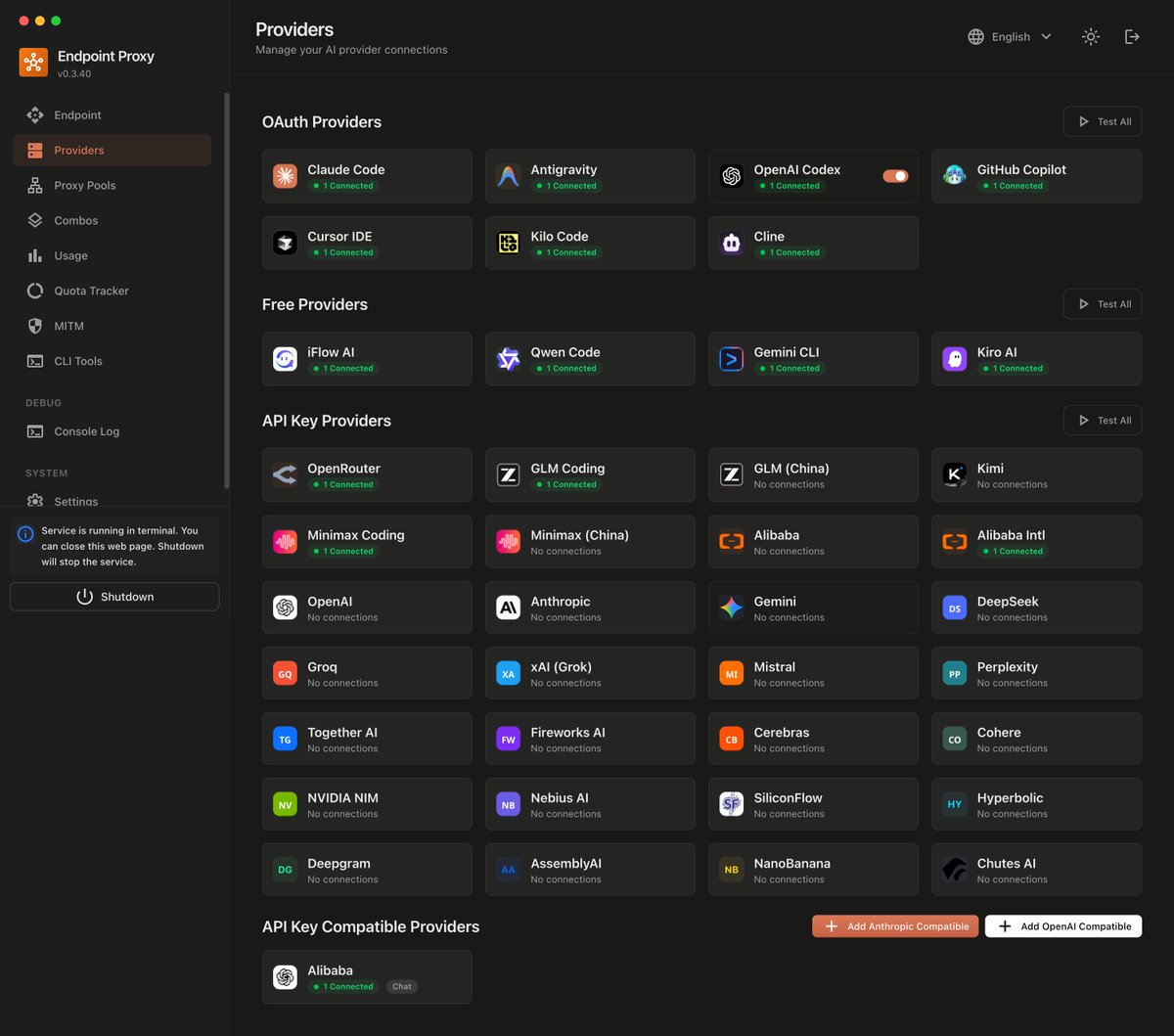
@Teknium complained (328 likes, 21 replies, 14,125 views) that Google blocks Antigravity OAuth and Gemini CLI OAuth and even bans some users, with a Google employee in-thread saying they would try to help. That is much stronger friction than abstract "rate limits exist" chatter.
@AlternativeTo reported (14 likes, 2 replies, 2,191 views, 5 bookmarks) that Kimi K2.7 Code became selectable in GitHub Copilot, the first open-weight model in Copilot for Pro, Pro+, and Max plans. In parallel, @xapi_to showed (5 likes, 2,601 views) a URL-level routing surface for sending Claude Code or Codex traffic to a fixed target model like DeepSeek V4 Pro, and @RedHat_AI argued (11 likes, 2 replies, 836 views, 8 bookmarks) that self-hosted open models on OpenShift AI are the cleaner answer when privacy and deprecations matter.
Discussion insight: Routing tools got attention because they promise continuity, but one reply under the 9Router thread immediately asked the right question: what happens to code quality when the router silently falls back to a cheaper model?
Comparison to prior day: July 5 centered on routers and prepaid access. July 6 layered in auth failures, open-weight choice inside Copilot itself, and stronger evidence that cost is shaping day-to-day tool selection.
1.4 Specialized agent surfaces spread into security, code understanding, and runtime tooling (🡕)
The fourth cluster was about concrete vertical surfaces rather than generic "AI coding tools." Security scanning, codebase graphing, living documentation, Java telemetry, browser-native copilots, game-engine bridges, and geospatial adapters all showed up as packaged products. The common thread was exposing structured evidence or domain tools to the agent instead of just asking for raw code.
@israfill highlighted (74 likes, 25 replies, 6,260 views, 91 bookmarks) Alibaba's Page Agent, and the repo README confirms the tweet's key claims: one-line in-page JavaScript integration, DOM-based control without screenshots, bring-your-own models, and optional extension/MCP paths.
@DanKornas posted (8 likes, 2 replies, 1,336 views, 8 bookmarks) MEDUSA, whose README says it can scan remote repos before cloning, check Claude/Cursor/Copilot histories for leaked credentials, and structurally vet .claude/ hooks, permissions, and skills. @DAIEvolutionHub shared (22 likes, 1 reply, 1,833 views, 8 bookmarks) Understand Anything, a multi-agent knowledge-graph layer for onboarding and diff impact.
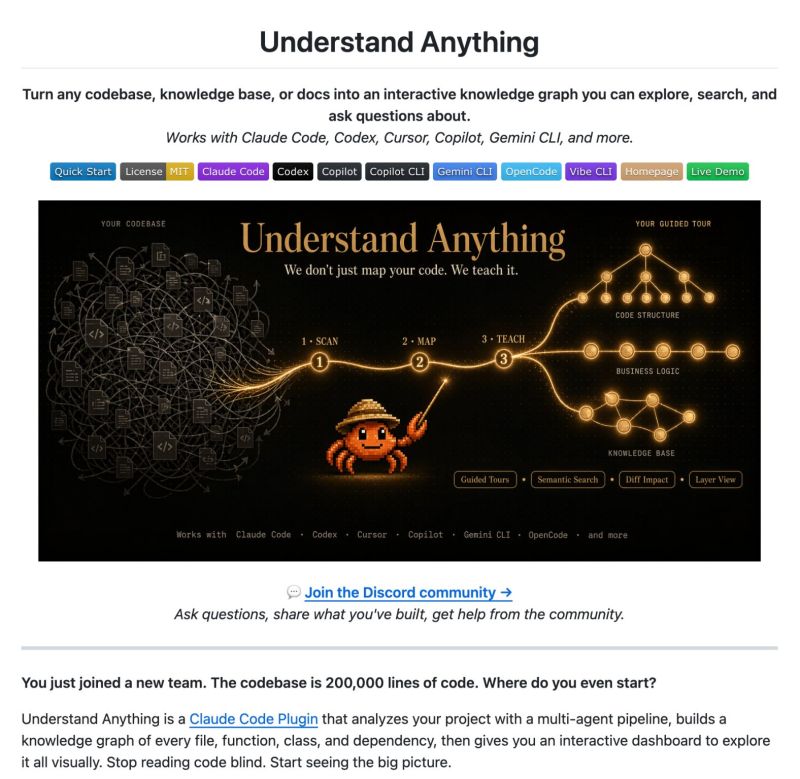
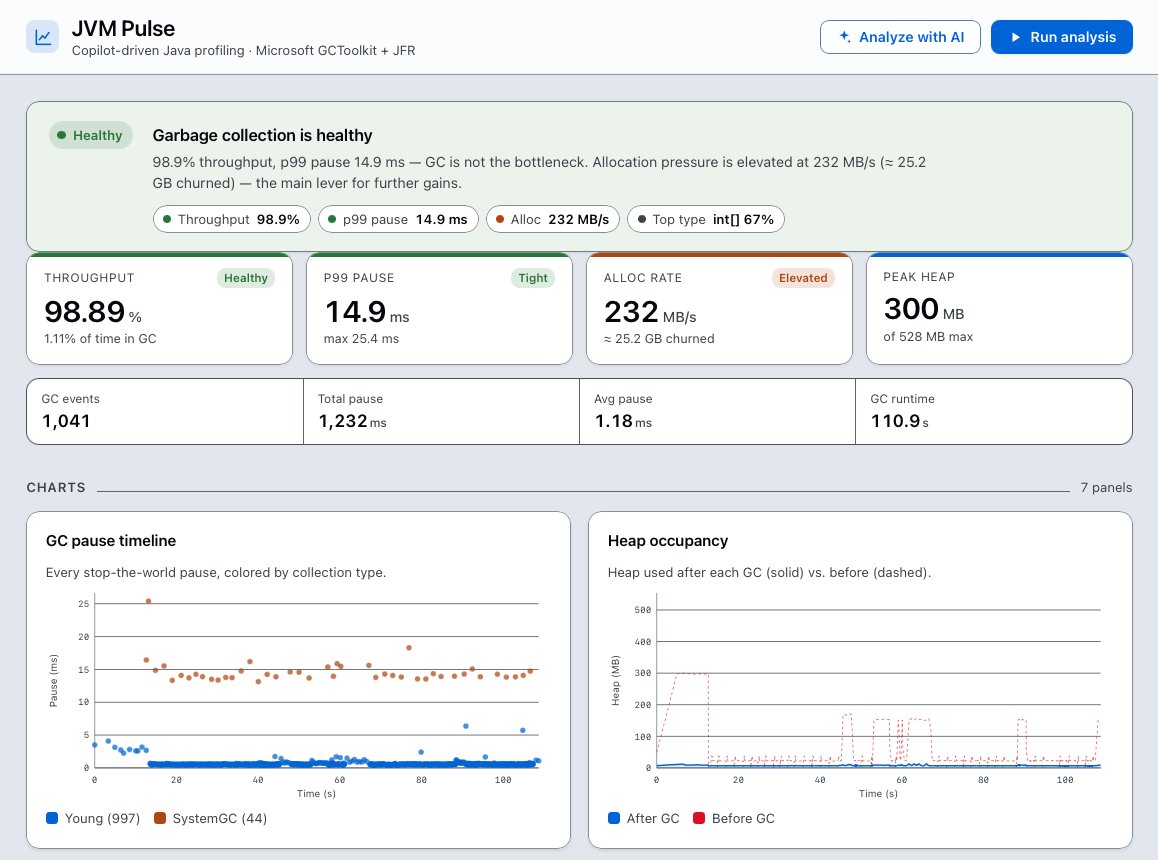
@oliviscusAI pointed to (3 likes, 2 replies, 219 views, 2 bookmarks) OpenWiki, which writes and updates repo docs plus AGENTS.md/CLAUDE.md, while @brunoborges previewed (10 likes, 2 replies, 1,010 views, 6 bookmarks) JVM Pulse, a Copilot canvas extension for GC and JFR telemetry. @DanKornas also surfaced (7 likes, 4 replies, 1,172 views) MCP for Unity and GeoAgent as examples of agents being wired into real editor and geospatial toolchains.
Discussion insight: These products are less about convincing people that agents can write code, and more about giving agents the right view into existing systems: repos, dashboards, browser DOMs, editors, or domain-specific objects.
Comparison to prior day: July 5 showed agents leaving the narrow repo-editing frame. July 6 pushed the pattern deeper into productized security, code understanding, documentation, observability, and domain adapters.
2. What Frustrates People
Limits, quotas, and auth failures still interrupt otherwise useful workflows
Severity: High. The most consistent frustration was not that the agents are useless; it was that they stop at the wrong moment. @Teknium said (328 likes, 21 replies, 14,125 views) Google blocks Antigravity and Gemini CLI OAuth for some users, while @dr_cintas promoted (54 likes, 14 replies, 4,887 views, 69 bookmarks) 9Router precisely because people run out of quota mid-session and want fallback without reconfiguring everything. @alexcooldev summed up (41 likes, 27 replies, 2,116 views) the economic side: vibe coding feels great until the bill resembles a whole dev team again. The coping pattern was clear: routers, cheaper/open-weight model lanes like Kimi in Copilot, or self-hosted endpoints on owned hardware. This is worth building for because people are already installing separate control planes just to keep work continuous.

Review and verification still fail on big diffs and long loops
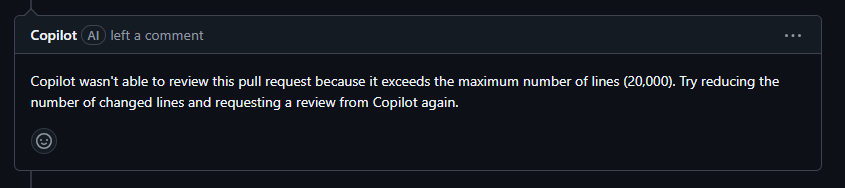
Severity: High. @awakecoding showed (3 likes, 2 replies, 253 views) GitHub Copilot refusing to review a pull request because it exceeded 20,000 changed lines. @0x_sakata warned (50 likes, 29 replies, 565 views, 8 bookmarks) that Codex review gates inside Claude Code can create long review loops that drain usage limits if left unattended. @AntonMartyniuk argued (3 likes, 76 views, 2 bookmarks) that real production work still means catching subtle bugs, N+1 queries, weak tests, and bad async choices by hand, and the Boris-loop thread added the same message from another angle: validation remains the scarce resource. This is worth building for because agent outputs now reach enough scope that review failure becomes a hard blocker, not a nuisance.
Hidden local settings still make agent behavior hard to reason about
Severity: Medium-High. @emollick deleted and corrected (28 likes, 5 replies, 4,094 views) a Claude Code memory-file complaint after realizing one machine still allowed writes to memory files, and his follow-up said it is confusing which settings are global, machine-local, or web-specific. The Microsoft 365 Copilot Cowork error above points to the same class of problem from another angle: when limits or policy state are exposed unclearly, users cannot tell whether a failure comes from billing, auth, product wiring, or the model itself. This is worth building for because hidden local state undermines trust even when the model behavior is otherwise reasonable.
Security and privacy worries rise as agents touch webpages, repos, and local histories
Severity: High. @israfill framed (74 likes, 25 replies, 6,260 views, 91 bookmarks) Page Agent as a way to turn any webpage into an AI-controlled workflow, but replies immediately asked what DOM data the model can see and what gets logged. @DanKornas surfaced (8 likes, 2 replies, 1,336 views, 8 bookmarks) MEDUSA because AI repos can carry poisoned configs and local assistant histories can leak keys, and @RedHat_AI recommended (11 likes, 2 replies, 836 views, 8 bookmarks) self-hosted open models to keep data on owned hardware. The coping pattern is already visible: scan before cloning, keep risky surfaces auditable, and move sensitive inference onto controlled infrastructure. This is worth building for because browser, repo, and local-history surfaces all create concrete exposure points, not abstract future risks.
3. What People Wish Existed
Native routing, quota awareness, and auth recovery
People are repeatedly solving the same continuity problem outside the core tools. @dr_cintas showed (54 likes, 14 replies, 4,887 views, 69 bookmarks) why 9Router is resonating: one local endpoint, quota tracking, and fallback across provider tiers. @Teknium showed (328 likes, 21 replies, 14,125 views) the sharper version of the need when OAuth itself gets blocked, while @xapi_to demonstrated (5 likes, 2,601 views) protocol translation toward a fixed target model. This is an urgent practical need, not an aspirational one. Opportunity: Direct.
Shared source-of-truth files and durable workflow memory across tools
People are not only asking for bigger context windows; they are building around the absence of a persistent, reviewable plan. @DanKornas shared (10 likes, 6 replies, 1,357 views, 4 bookmarks) Spec-Driven-Development because Claude, Cursor, and Copilot otherwise diverge, and @DanKornas shared (28 likes, 6 replies, 2,115 views, 34 bookmarks) AI Workflow because every new session starts from zero. @oliviscusAI pointed to (3 likes, 2 replies, 219 views, 2 bookmarks) OpenWiki for maintaining agent-readable docs as the codebase changes. The need is practical and immediate: persistent context that stays aligned across tools. Opportunity: Direct.
Mission control for many agents across devices and worktrees
The biggest orchestration wish was not another single-agent IDE. It was one place to supervise several agents that are already running. @Sumanth_077 presented (12 likes, 3 replies, 1,835 views, 6 bookmarks) Omnigent for cross-device sessions, mixed harnesses, and policy stacks; @DanKornas shared (27 likes, 6 replies, 2,210 views, 23 bookmarks) multi-agent-shogun for visible parallel shells; and @YoussefHosni951 showed (3 likes, 3 replies, 127 views) Orca for isolated worktrees with desktop and mobile supervision. There are several early answers now, but no obvious standard. Opportunity: Competitive.
Review surfaces and settings visibility that stay usable at scale
Users want agent tooling to expose its own failure modes before those failures waste hours. @awakecoding showed (3 likes, 2 replies, 253 views) a hard PR-review ceiling, while @emollick described (28 likes, 5 replies, 4,094 views) how local memory-write settings can look like model behavior if users do not know where state lives. This is not just a UX polish request. It is a practical need for any workflow that depends on long-running reviews, large diffs, or machine-local policy. Opportunity: Direct.
4. Tools and Methods in Use
| Tool | Category | Sentiment | Strengths | Limitations |
|---|---|---|---|---|
| GitHub Copilot | Coding assistant platform | (+/-) | Native JetBrains agent, Kimi K2.7 Code option, canvas extensions like JVM Pulse | M365 Cowork funding/auth confusion and a hard PR-review size ceiling surfaced today |
| 9Router | Routing proxy | (+/-) | Auto-fallback, quota dashboard, token compression, broad provider coverage | Adds another control plane and raises questions about output quality after fallback |
| xAPI URL routing | Protocol/model router | (+/-) | Fixed-target routing across OpenAI- and Anthropic-shaped clients | Destination page failed to load during review, so trust rests heavily on the routing surface itself |
| AI Workflow | Skill/workflow pack | (+) | 170+ skills, one-command installs, broad assistant support | Packages context, but does not by itself solve shared state or verification |
| multi-agent-shogun | Multi-agent orchestration | (+) | Visible tmux panes, parallel workers, YAML coordination | Terminal-centric and aimed at users already comfortable supervising many panes |
| Omnigent | Meta-harness | (+) | Mixed harnesses, policies, cross-device sessions, cloud sandboxes | Alpha-stage infrastructure layer with more setup than a single-agent tool |
| codex-plugin-cc | Cross-agent plugin | (+/-) | Codex reviews/rescue tasks inside Claude Code, background jobs, transfer/resume | Review gate can create long, expensive Claude/Codex loops if left unmonitored |
| Spec-Driven-Development | Planning/spec skill | (+) | Shared requirements, design, and task files plus cross-tool config generation | Still a beta skill layer rather than a native workflow default |
| Page Agent | Browser agent | (+/-) | One-line DOM-native control, no headless stack required, BYO model | Depends on DOM cleanliness and creates privacy/audit questions about what the model sees |
| MEDUSA | Security scanner | (+) | Remote repo scanning, history/secret scans, Claude config vetting, large built-in rulebase | Another explicit scanning step users must remember before cloning or sharing artifacts |
| Understand Anything | Codebase graph/onboarding | (+) | Guided tours, diff impact, searchable knowledge graph, multi-agent analysis | Requires a full analysis pass rather than instant ad hoc context |
| OpenWiki | Documentation agent | (+) | Generates and refreshes repo docs plus AGENTS.md/CLAUDE.md | Depends on configured provider credentials and ongoing docs maintenance |
| JVM Pulse | Runtime diagnostics extension | (+) | Turns GC and JFR telemetry into an AI-readable Copilot canvas | Java-specific and depends on local JDK/jbang tooling |
| MCP for Unity | Domain bridge | (+) | Exposes scenes, assets, scripts, tests, and builds to agent clients | Specific to Unity workflows and still requires package/server setup |
| GeoAgent | Domain bridge | (+) | Shared geospatial agent layer across QGIS, maps, STAC, and Earthdata | Geospatial-specific integration work remains non-trivial |
The overall pattern was composition rather than replacement. People are stacking routing proxies, skill packs, meta-harnesses, documentation layers, and domain adapters on top of the base coding tools they already use. @pierceboggan noted (28 likes, 1 reply, 1,323 views) that Copilot is now a native integrated agent in JetBrains, but the same day's feed also showed external routers, external review plugins, and external memory/spec layers thriving next to first-party surfaces.
The satisfaction spectrum was widest on cost and supervision. Premium agents still anchored planning, review, and harder reasoning, while cheaper/open-weight/self-hosted lanes were being pushed into continuity, background work, or sensitive infrastructure. Migration pressure ran in two directions at once: people want more native product surfaces, but they are still installing independent control layers because the built-in ones do not yet expose enough routing, memory, policy, or review state.
5. What People Are Building
| Project | Who built it | What it does | Problem it solves | Stack | Stage | Links |
|---|---|---|---|---|---|---|
| 9Router | decolua, surfaced by @dr_cintas | Routes coding tools across 40+ providers with quota tracking, fallback, and token compression | Sessions stopping when one provider hits limits or gets too expensive | JavaScript proxy, OpenAI-compatible local endpoint, provider adapters | Shipped | tweet, repo |
| Page Agent | Alibaba, surfaced by @israfill | Embeds a natural-language GUI agent directly inside a webpage | Legacy/internal web UIs without APIs and brittle browser-automation stacks | TypeScript, in-page JavaScript, optional browser extension, MCP server | Shipped | tweet, repo |
| Omnigent | omnigent-ai, surfaced by @Sumanth_077 | Meta-harness over multiple coding agents with policy and cross-device sync | Switching among several agent CLIs and supervising them from one place | Python server, YAML agents, browser/mobile UI, cloud sandboxes | Alpha | tweet, repo |
| AI Workflow | nicepkg, surfaced by @DanKornas | Installs reusable skill bundles and workflows across many assistants | Re-teaching the same domain context in every new chat | SKILL.md workflow packs, npx add-skill, multi-tool skill directories |
Shipped | tweet, repo |
| multi-agent-shogun | yohey-w, surfaced by @DanKornas | Runs a strategist plus multiple worker agents in visible tmux panes | Coordinating several parallel coding agents without losing state | Shell, tmux, YAML coordination files, Memory MCP | Beta | tweet, repo |
| codex-plugin-cc | OpenAI, surfaced by @0x_sakata | Lets Claude Code delegate review and rescue work to Codex via slash commands | Cross-tool review and task handoff without leaving Claude Code | JavaScript plugin, Node, Codex CLI | Shipped | tweet, repo |
| Spec-Driven-Development | FredAntB, surfaced by @DanKornas | Generates shared specs and per-tool config files before implementation | Different AI tools contradicting each other on the same project | Python skill, requirements.md, design.md, tasks.md, CI eval suite |
Beta | tweet, repo |
| MEDUSA | Pantheon Security, surfaced by @DanKornas | Scans repos and local histories for AI supply-chain attacks and leaked secrets | Poisoned agent configs, cloned malware, and secrets in chat history | Python CLI, built-in detection rules, JSON/HTML/SARIF reports | Shipped | tweet, repo |
| Understand Anything | Egonex, surfaced by @DAIEvolutionHub | Builds a searchable code/knowledge graph with guided tours and diff impact | Onboarding and understanding large codebases | TypeScript plugin, multi-agent pipeline, interactive dashboard | Shipped | tweet, repo |
| OpenWiki | LangChain, surfaced by @oliviscusAI | Writes and maintains agent-readable docs for a codebase | Stale or missing repo documentation and context drift | TypeScript CLI, GitHub Action, AGENTS/CLAUDE integration | Shipped | tweet, repo |
| JVM Pulse | Bruno Borges | Profiles GC logs and JFR telemetry inside GitHub Copilot | JVM performance triage staying outside the agent workflow | JavaScript Copilot canvas extension, Microsoft GCToolkit, JDK jfr CLI |
Alpha | tweet, repo |
| MCP for Unity | CoplayDev, surfaced by @DanKornas | Exposes Unity scenes, assets, scripts, tests, and builds to MCP clients | Agent access to real Unity editor workflows instead of plain code editing | C# Unity package, Node MCP server | Shipped | tweet, repo |
| GeoAgent | opengeos, surfaced by @DanKornas | Connects geospatial maps, QGIS sessions, STAC catalogs, and Earthdata workflows to LLM agents | Rebuilding the same agent layer separately in each geospatial tool | Python, Strands Agents, QGIS/leafmap adapters, provider backends | Shipped | tweet, repo |
The largest build pattern was control planes around models rather than better models alone. @dr_cintas surfaced (54 likes, 14 replies, 4,887 views, 69 bookmarks) 9Router as a continuity layer for quota and provider switching, while @Sumanth_077 presented (12 likes, 3 replies, 1,835 views, 6 bookmarks) Omnigent as a continuity layer for identity, policy, and cross-device sessions. multi-agent-shogun and codex-plugin-cc land in the same family: the goal is to supervise, route, and review work across agents rather than ask one agent to do everything in a single chat.
A second pattern was externalized source of truth. AI Workflow packages reusable domain context; Spec-Driven-Development forces tools to read the same specs first; OpenWiki keeps agent-readable documentation fresh; and Understand Anything turns a large codebase into a structured graph instead of a pile of files. These are all answers to the same trigger: people do not trust long sessions to remember the right things on their own.

The third pattern was domain adapters. Page Agent gives agents a DOM-native browser surface, MEDUSA gives them a security and repo-vetting surface, MCP for Unity gives them an editor surface, and JVM Pulse gives Copilot a runtime-observability surface instead of just source code. This is what broadening utility looks like in the evidence: not generic “AI for developers,” but specific bridges into the actual systems developers already work in.
6. New and Notable
Anthropic put hard numbers behind the domain-expertise argument
@milan_milanovic summarized (2 likes, 1 reply, 515 views, 3 bookmarks) Anthropic's new Claude Code findings, and Anthropic's public report says about 400,000 sessions from October 2025 through April 2026 showed that people still make most planning decisions while Claude makes most execution decisions, and that domain expertise materially improves success even when users are not software engineers. That matters because it moves the day's loop-engineering talk from anecdote into a measured usage pattern.
GitHub Copilot widened its distribution and model surface at the same time
@pierceboggan announced (28 likes, 1 reply, 1,323 views) that Copilot is now an integrated agent directly inside JetBrains AI chat, and the linked JetBrains post says the integration is native, OAuth-based, and comes with a model picker. Separately, @AlternativeTo reported (14 likes, 2 replies, 2,191 views, 5 bookmarks) that Kimi K2.7 Code is now selectable in Copilot, the first open-weight model in the product. Together, those moves broaden where Copilot can live and what kind of model lane it can offer.
Runtime diagnostics are turning into first-class agent surfaces
@brunoborges previewed (10 likes, 2 replies, 1,010 views, 6 bookmarks) JVM Pulse, and the repo README confirms it is a Copilot canvas extension that runs a Java workload with GC logging and JFR enabled, ingests the artifacts with GCToolkit plus the JDK jfr CLI, and then lets Copilot interpret the results. That is notable because it treats runtime evidence as something the agent can inspect directly rather than something a developer has to summarize back into chat.
7. Where the Opportunities Are
[+++] Native routing, quota, and auth control for mixed-agent stacks — Evidence ran through sections 1, 2, 3, and 4: 9Router, xAPI routing, Kimi K2.7 in Copilot, self-hosted OpenShift AI endpoints, the M365 Cowork failure, and Teknium's OAuth complaint all point to the same gap. Teams want sessions to survive limits, auth drift, and provider changes without installing a separate proxy layer.
[+++] Shared specs, external state, and validation loops — The Boris-loop discussion, Anthropic's expertise study, Spec-Driven-Development, AI Workflow, and OpenWiki all point toward the same need: agents should start from a stable plan, remember the right artifacts between runs, and prove completion against something reviewable. This is strong because it links productivity, correctness, and multi-tool consistency.
[++] Mission control for parallel agents — Omnigent, multi-agent-shogun, Orca, and codex-plugin-cc all treat the main problem as orchestration and supervision rather than raw model quality. The opportunity is moderate-to-strong because the pain is already concrete, but several early answers are now competing across shell, desktop, browser, and phone surfaces.
[++] Agent security and settings governance — MEDUSA, Page Agent reply concerns, Emollick's memory-setting confusion, and self-hosted model pushes all show demand for better visibility into what the agent can see, what it is allowed to do, and where sensitive state lives. This is a strong defensive opportunity because the exposure points are practical and already familiar to users.
[+] Domain-specific agent surfaces around existing tools — Understand Anything, OpenWiki, JVM Pulse, MCP for Unity, and GeoAgent suggest a growing layer of extensions that attach agents to concrete systems like code graphs, Java telemetry, game editors, and GIS stacks. The signal is still emerging compared with routing and workflow control, but it is becoming much more specific than generic “developer AI” talk.
8. Takeaways
- Loop engineering became the day's clearest mental model, but validation stayed the real bottleneck. Boris Cherny's workflow framing resonated because it matched both the Anthropic usage study and practitioner accounts of how much review work still sits with the human. (source)
- The layer around the model is still thickening faster than the model story itself. AI Workflow, multi-agent-shogun, Omnigent, codex-plugin-cc, and Spec-Driven-Development all treated coordination, memory, and shared truth as the real product surface. (source)
- Cost, quota, and auth friction are still shaping actual adoption. 9Router's popularity, Teknium's OAuth complaint, the M365 Cowork error, and cheaper/open-weight/self-hosted alternatives all showed that availability matters almost as much as model quality. (source)
- Specialized extensions are making agents more useful by exposing evidence, not by asking for better vibes. MEDUSA, Understand Anything, OpenWiki, JVM Pulse, MCP for Unity, and GeoAgent all gave agents a structured surface into repos, graphs, telemetry, editors, or domain tools. (source)
- Domain expertise still determines whether the agent finishes strong. The public Anthropic report and first-hand posts like Anton Martyniuk's agreed on the central point: the human advantage is problem understanding and result verification, not typing speed. (source)