YouTube AI - 2026-05-24
1. What People Are Talking About
1.1 AI video creation is turning into a workflow stack, not a single-model demo 🡕
Creator coverage on 2026-05-24 is less interested in which model has the flashiest trailer and more interested in which stack can reliably turn ideas into finished clips. At least six items support the theme: Google Omni tutorials focus on multimodal editing and avatar workflows, Theoretically Media reframes Google's launch as a broader creator layer around Omni, Flow, and Genie, and smaller tutorial channels show how Higgsfield, Seedance 2.0, GPT Image 2, Nano Banana Pro, and Claude are being chained together to keep consistency and speed.
Raj Photo Editing and Much More presents Gemini Omni as an editing surface rather than a prompt box. The video says creators can use face and voice references, uploaded images, existing videos, camera-angle changes, and style transfers; Google's own Gemini Omni page confirms text, image, and video inputs, video-to-video editing, multi-turn edits, avatars, and that Omni is replacing Veo inside the Gemini app. The distinctive angle is that creators are being encouraged to remix media directly instead of writing ever-longer prompts (video, Gemini Omni).

AI Master pushes the same product into operating details. The video frames Omni as a chat-based editor with avatar cloning, physics-aware generation, and a 10-second clip cap, while Google says the paid product includes photo-to-video, native audio generation, and SynthID watermarking. The distinctive angle is that the workflow is already powerful, but it is still bounded by subscriptions, availability, and deployment limits rather than behaving like a fully open creative studio (video, Gemini Omni).
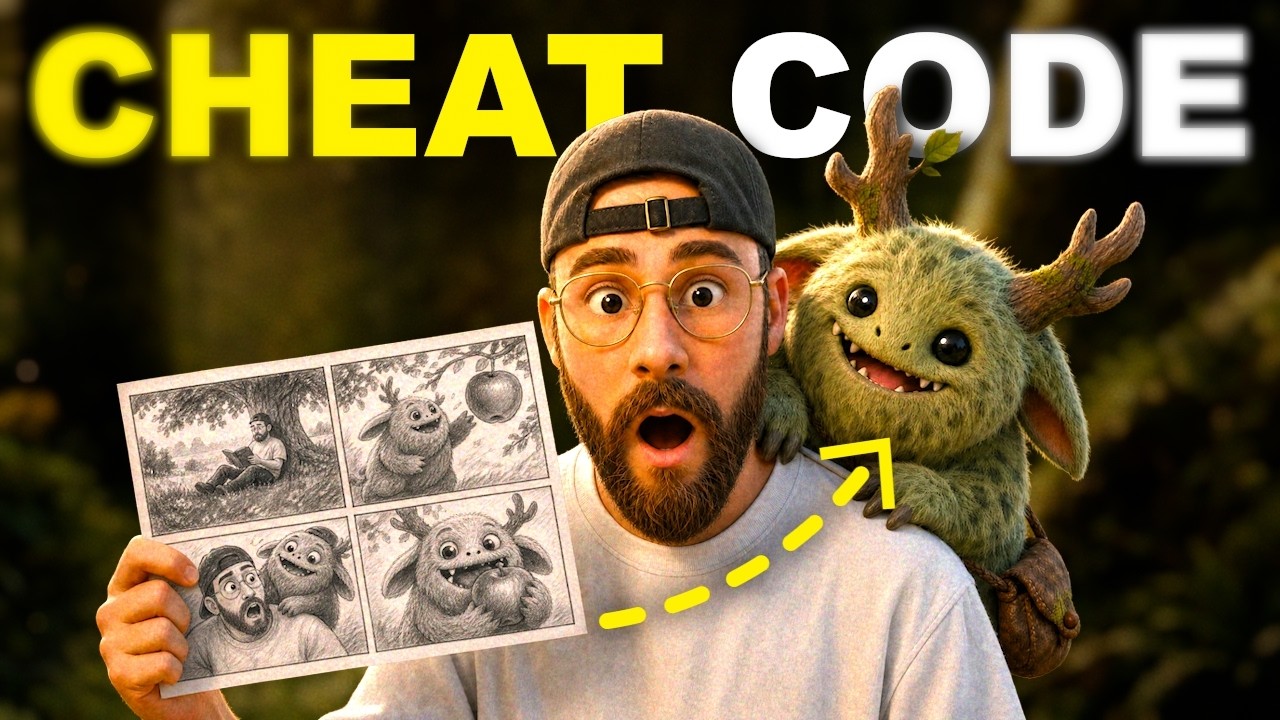
Jack Vs. AI shows what the creator stack looks like once one model is not enough. The workflow uses Nano Banana Pro or GPT Image 2 for storyboards, Claude for prompt engineering, and Seedance 2.0 for sequence generation, so the distinctive angle is that consistency now comes from choreography across tools rather than from any single model's output (video).
Discussion insight: Theoretically Media argues Google's real creator story is not a single Omni release but a wider editing, remixing, compositing, Flow, Genie, and audio stack. Malva AI reaches the same conclusion from the user side by showing creators hopping across Seedance 2.0, Sora 2 Pro, Veo 3.1, Kling 3.0, GPT Image 2, and Nano Banana 2 instead of staying inside one product.
Comparison to prior day: Compared with 2026-05-23, creator tooling moves from a secondary Google I/O subplot to a first-class theme supported by multiple hands-on workflow videos and model-routing tutorials.
1.2 Agents are moving from chat into persistent work systems, and the fight is over control 🡒
Agent content remains one of the biggest clusters in the feed, but the scope is wider than on the prior day. At least five strong items support the theme: theMITmonk explains ARR, role separation, and OODA loops; Vaibhav Sisinty turns agent adoption into a one-person-company pitch; Google's Spark and Search pages promise 24/7 background execution; and the negative videos still insist that more autonomy can simply hide more rework.

theMITmonk gives the clearest conceptual framing. The video says most people still use AI like a better search box, then explains agents as systems that decide the next action, not just the next word, with ARR, four roles, and an OODA loop for when the workflow breaks. The distinctive angle is that agent value depends on explicit process design, because vague thinking and messy operations get amplified rather than repaired (video).

Vaibhav Sisinty turns that framing into a business-ops pitch. He hands strategy, research, design, operations, and assistant work to Accio Work; the Accio Work page describes it as a local-first desktop AI agent that goes beyond chat with built-in skills and connectors, and its FAQ says it can read local files, run terminal commands, control the browser, and call external APIs. The distinctive angle is the promise of a full operating team rather than an assistant tab (video, Accio Work).

BusinessCringe supplies the counterweight. The video argues autonomous agents increase workloads because unfinished work still has to be repaired by humans, so the distinctive angle is not "agents fail sometimes" but "agents can turn into supervision debt" when the workflow layer is weak (video).
Discussion insight: Google's Gemini Spark page and Search roadmap show the same shift at consumer scale: tasks, skills, schedules, 24/7 background execution, information agents, booking flows, and custom trackers. The product pages keep emphasizing user direction, checks before major actions, and optional app connections, which shows how central the control problem already is.
Comparison to prior day: Compared with 2026-05-23, the governance debate stays intact, but the scope broadens from dev workflows into business operations and personal/search agents.
1.3 Google's search and assistant push is triggering a stronger user-control backlash 🡕
Google is still the central company in the dataset, but the most interesting movement is not simple keynote recap coverage. At least five items support this cluster: mainstream video packages Gemini Spark and Omni as the next phase of AI, search-reaction creators argue Google is breaking a trusted product, migration videos publish alternatives, and Google's own Search post confirms 24/7 monitoring agents, booking flows, and custom mini apps inside Search.
SomeOrdinaryGamers represents the sharpest backlash. The video frames Google's new direction as the company damaging its most trusted surface by forcing AI deeper into search, so the distinctive angle is loss of agency rather than disbelief that the models work at all (video).
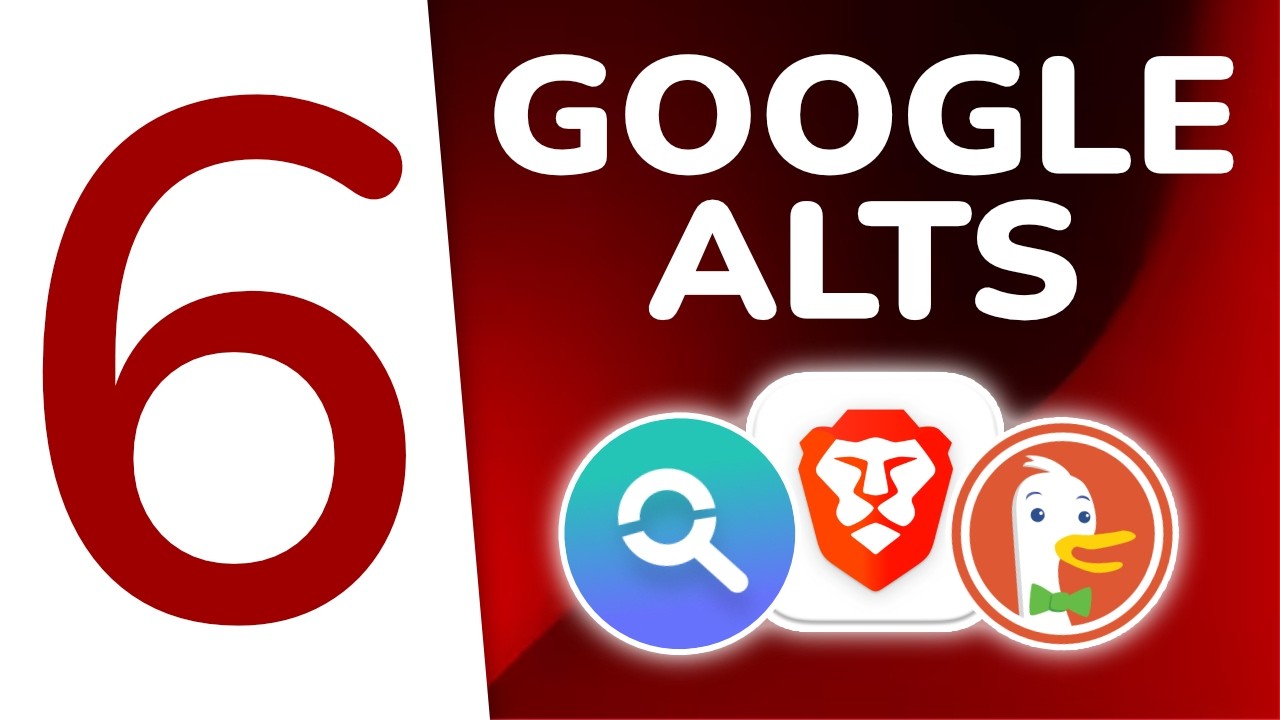
Techlore turns the backlash into migration behavior. Instead of only criticizing Google, the video walks through privacy-respecting alternatives and bang shortcuts so switching away from Google's AI-heavy search feels practical rather than ideological (video).

ABC News packages Google's I/O story as an ecosystem move spanning Gemini Spark, smart glasses, Omni, Flow Music, and more. That matters because it turns Google's AI push into a mainstream consumer story about an always-on layer across products, not a single feature launch (video).
Discussion insight: Google's own Search post says information agents will run in the background, custom trackers and mini apps will be created inside Search, and booking or calling flows are expanding. The backlash is reacting to a real shift from link retrieval toward delegated action, not to a hypothetical feature.
Comparison to prior day: Compared with 2026-05-23, the search backlash becomes more operational. Yesterday it centered on criticism of Google's direction; today it includes exit guides, bang-based workarounds, and clearer platform evidence about how much autonomy Google wants to add.
1.4 Trust arguments are widening from benchmark drama to claims that current AI cannot stay honest or reason well 🡕
Trust is still a major theme, but the strongest 2026-05-24 signal is broader than the Llama benchmark controversy alone. Three strong items support the cluster: Meta's credibility problems remain active, Gary Marcus's long-form critique argues current systems still do not genuinely reason, and a smaller documentary compresses hallucination rates, legal cases, and fake-citation risk into a single narrative about structural fabrication.

Coding with Lewis gives the clearest benchmark-trust case study. The video traces Meta's path from open-source goodwill to Llama 4 blowback, while Meta's own Llama 4 launch post still claims class-leading multimodal performance and The Decoder reports LeCun saying some results were "fudged a little bit." The distinctive angle is the gap between launch narrative and post-launch confidence (video, Meta, The Decoder).

World Science Festival broadens the problem beyond Meta. Gary Marcus and Brian Greene keep returning to hallucinations, abstraction failures, the limits of pure scaling, and the need for stronger world models, so the core question becomes whether current reasoning narratives are pointed at the right substrate at all (video).

Blue Pale Signal adds a lower-reach but unusually dense synthesis of the same concern. The video ties OpenAI system-card claims, legal cases, fake citations, and the "reasoning trap" literature into one argument that making models think longer does not solve the truth problem and can intensify fabrication (video).
Discussion insight: Bloomberg Television keeps the counter-position alive by giving Yann LeCun space to argue that future AI progress depends on new techniques and infrastructure for the physical world, not simply on more of the same LLM recipe. The disagreement is no longer only "which lab is ahead"; it is "what kind of system should count as progress."
Comparison to prior day: Compared with 2026-05-23, the trust theme moves from mainly lab credibility and benchmark disputes toward a wider critique covering hallucination, world models, and the limits of current reasoning systems.
1.5 Physical-world AI is being narrated through chips, energy, and deployment risk rather than pure hype 🡒
The physical-AI story is still strong, but today's version is less about spectacle and more about the hard systems that make deployment possible. At least four items support the theme: TSMC and data-center videos focus on compute bottlenecks, Bloomberg's LeCun interview pushes AI toward the physical world, and CBS coverage highlights military adoption speed as a human-oversight problem.

Anastasi In Tech gives the clearest hardware-forward framing. The video treats TSMC's newest chip work as a strategic AI bottleneck story rather than a generic semiconductor update, so the distinctive angle is that compute advantage is being explained at the foundry and process level rather than only at the model layer (video).
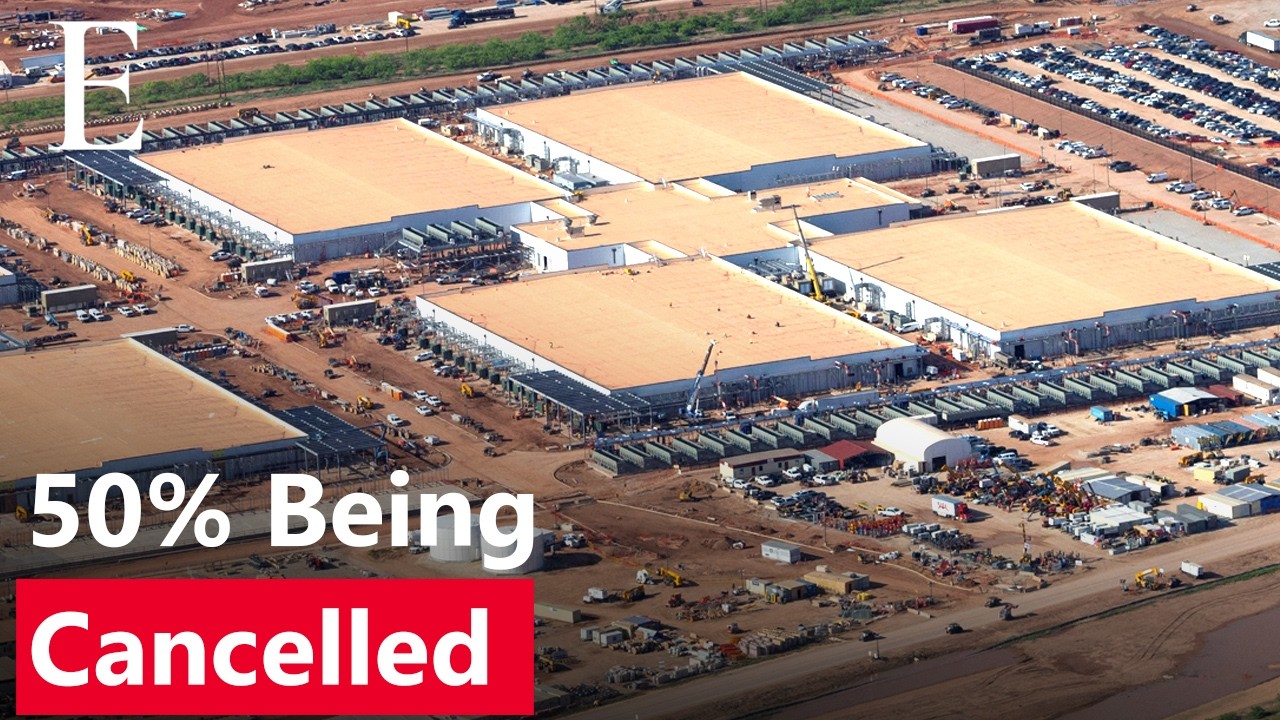
Economy Media grounds the hype in infrastructure limits. The video argues that electrical-grid constraints, energy costs, and shortages of key components are already delaying or cancelling data-center plans, which turns AI expansion into a power-and-supply-chain problem (video).

CBS Mornings pushes the same shift into deployment risk. The segment says the Defense Department wants to be "AI-first" while service members worry about how quickly the technology is moving, so the distinctive angle is not model capability but oversight under real-world pressure (video).
Discussion insight: Bloomberg Television and Dell Technologies both reinforce the idea that the next phase of AI depends on new infrastructure and new physical-world system design. The disagreement is about pace and governance, not about whether software alone explains the story anymore.
Comparison to prior day: Compared with 2026-05-23, the physical-AI theme stays strong but becomes more infrastructure-specific, with heavier emphasis on foundries, power, and deployment environments.
2. What Frustrates People
Agent autonomy still creates correction debt when workflows are underspecified
This is High severity because the positive and negative agent videos describe the same failure mode from opposite angles. theMITmonk says agents amplify vague thinking and bad processes, Vaibhav Sisinty only gets leverage by giving Accio Work clear business roles, and Google's Spark page and Search roadmap keep stressing user direction, checks, and optional connections. BusinessCringe makes the downside explicit by arguing autonomous agents increase workloads because humans still repair unfinished work. The coping strategy is more structure: explicit roles, task layers, local execution, review gates, and tighter scopes. This is directly worth building for.
Search automation is getting more capable while user control gets harder to see
This is High severity because the strongest search videos frame the problem as lost agency, not weak model quality. SomeOrdinaryGamers argues Google is damaging a trusted product, Techlore responds with alternative search engines and bang shortcuts, and Google's Search roadmap confirms background monitoring agents, booking or calling flows, and custom trackers inside Search. The coping strategy is partial exit, more deliberate opt-in, and stronger preference for source-visible tools. This is directly worth building for.
Creator AI video still feels fragmented across tools, plans, and limits
This is Medium severity because even the positive creator videos rely on model routing and workarounds. Raj Photo Editing and Much More, AI Master, Jack Vs. AI, Theoretically Media, and Malva AI all show some version of the same pattern: Omni for multimodal editing, Seedance 2.0 for sequence generation, GPT Image 2 or Nano Banana for storyboards, Claude for prompts, and hubs like Higgsfield to avoid wasting credits. The visible coping strategy is image-first workflows, storyboards, model comparison, and tool hubs, which means the production stack is still heavier than the marketing suggests. This is directly worth building for.
Trust breaks when reasoning claims, benchmark claims, and truthfulness claims outrun evidence
This is High severity because the dataset keeps pairing ambitious claims with public skepticism. Coding with Lewis, Meta's Llama 4 launch page, and The Decoder put benchmark claims next to explicit criticism that some results were "fudged a little bit," while World Science Festival and Blue Pale Signal widen the problem to hallucinations, fake citations, legal failures, and doubts that current systems genuinely reason. The coping strategy is heavier source-checking and skepticism toward product positioning on its own. This is directly worth building for.
Physical-world AI keeps running into hard compute and oversight limits
This is High severity because the physical-AI videos are about constraints, not abstraction. Anastasi In Tech treats foundry progress as a strategic AI bottleneck, Economy Media argues grid and component shortages are already delaying projects, Bloomberg Television frames the next phase of AI around new techniques and infrastructure, and CBS Mornings ties deployment speed to human concern inside defense workflows. The visible coping response is slower rollout, more compute planning, and more explicit human-override expectations. This is directly worth building for.
3. What People Wish Existed
Reviewable agent systems that can be interrupted, scoped, and audited
People want agents that can do long-running work without turning into hidden correction debt. theMITmonk's ARR and OODA explanation, Vaibhav Sisinty's one-person-company demo, Google's Spark page and Search roadmap, and BusinessCringe's critique all point to the same missing layer: agents need explicit roles, memory, permissions, task boundaries, and human checkpoints that are easy to inspect and interrupt. This is an urgent practical need because current alternatives are either passive chat or opaque background automation. Opportunity: direct.
Search and assistant tools that keep sources visible and consent explicit
The search cluster shows a clear unmet need for AI help that does not replace links, automate purchases or calls too aggressively, or keep acting after trust breaks. SomeOrdinaryGamers and Techlore represent the downside and the coping strategy, while Google's own Search roadmap makes clear that the market is moving toward information agents, custom trackers, and more delegated action. This is an urgent practical need because users want assistance without surrendering legibility or control. Opportunity: direct.
A unified creator workbench for storyboards, multimodal editing, and model routing
The creator videos show that people want one surface where references, storyboards, prompts, clip generation, edits, credits, and exports all fit together. Raj Photo Editing and Much More, AI Master, Jack Vs. AI, Malva AI, and Theoretically Media all describe partial answers, but creators still bounce among Omni, Seedance 2.0, GPT Image 2, Nano Banana, Claude, and Higgsfield to get predictable output. This is an urgent practical need because the main cost is workflow overhead, not lack of models. Opportunity: direct.
Trust infrastructure for AI claims, hallucination risk, and evaluation lineage
The dataset keeps pointing to a missing layer that can show what was tested, where a claim came from, how often a model fabricates, and why a benchmark or roadmap should be believed. Coding with Lewis, Meta's Llama 4 launch page, The Decoder, World Science Festival, and Blue Pale Signal all point to this gap from different angles. This is an urgent practical need, not just a research-philosophy issue. Opportunity: direct.
Compute and deployment planning that turns physical-AI constraints into decisions
Teams do not only need more compute; they need help deciding where inference should run, which power or supplier assumptions are brittle, and when deployment pace is outstripping oversight. Anastasi In Tech, Economy Media, Bloomberg Television, and CBS Mornings all imply a need for tools that translate foundry shifts, grid limits, and operating risk into concrete product or policy choices. This is a practical need with rising urgency because infrastructure and governance are now part of the AI product story itself. Opportunity: direct.
4. Tools and Methods in Use
| Tool | Category | Sentiment | Strengths | Limitations |
|---|---|---|---|---|
| Gemini Omni | Video model | (+/-) | Multimodal inputs, video-to-video edits, avatars, multi-turn editing, and Google distribution | Paid-plan gating, short clip limits, and feature or region restrictions |
| Seedance 2.0 | Video model | (+) | Turns storyboard inputs into full sequences and speeds prototyping | Still depends on separate storyboard and prompt tools |
| GPT Image 2 / Nano Banana Pro | Storyboard method | (+) | Produces reference sheets and consistent scene planning for downstream video generation | Not an end-to-end video workflow by itself |
| Claude prompt engineering | Workflow method | (+) | Helps creators turn loose ideas into detailed storyboard prompts | Adds another tool and manual step to the pipeline |
| Higgsfield | Creator platform | (+/-) | Serves as a hub for creator workflows and multi-model experimentation | Evidence is sponsor-heavy, and creators still route across multiple external models |
| Gemini Spark | Personal agent | (+/-) | 24/7 tasks, skills, schedules, and multi-app execution under user direction | Coming-soon rollout, subscription gating, and a high trust burden |
| Search agents and mini apps | Consumer agent | (+/-) | Background monitoring, booking or calling, and custom trackers inside Search | Triggers strong source-legibility and control concerns |
| Accio Work | Business agent | (+/-) | Local-first desktop execution with built-in skills and connectors | Evidence is demo-heavy and vendor-specific; real-world fit still needs proof |
| Privacy-first search plus bangs | Search method | (+) | Preserves source visibility and lowers switching cost away from Google | Smaller ecosystem and less default convenience than mainstream Search |
| Llama 4 | Open-weight model | (+/-) | Multimodal open weights, long context, and strong deployment claims | Benchmark credibility damage is weighing on trust |
Overall sentiment is strongest for tools and methods that make control, composition, or inspection explicit: storyboard-first creator workflows, privacy-first search, and agents with clear task scaffolds. Mixed sentiment appears when products promise background autonomy or frontier performance without equally legible controls or evidence. The visible workarounds are storyboards, model routing, bang shortcuts, opt-in settings, and tighter human checkpoints. Migration is moving from single-prompt chat toward staged creator pipelines, from default Google Search toward alternatives and bangs, and from text-only assistants toward local-first or reviewable agents. Competitive dynamics are bundle-driven: Google is combining Search, Spark, and Omni into one AI layer while creators still mix specialized tools to get finished output.
5. What People Are Building
| Project | Who built it | What it does | Problem it solves | Stack | Stage | Links |
|---|---|---|---|---|---|---|
| Gemini Omni | Multimodal video generation and editing surface with avatars, remixing, and chat-driven changes | Speeds creator iteration across text, photo, and video inputs without separate editing tools for each step | Gemini app, multimodal input, video-to-video editing, avatars, SynthID watermarking | Beta | page, video, video | |
| Search agents and mini apps | Background information agents, booking or calling flows, and custom trackers built inside Search | Offloads repeated monitoring, search, and coordination tasks | Search, Gemini 3.5 Flash, Antigravity, Personal Intelligence connections | Beta | blog, video, video | |
| Gemini Spark | 24/7 personal agent for inbox, schedules, file organization, and reusable skills | Handles recurring multi-app admin work and background follow-through | Gemini 3.5 Flash, Antigravity, Gmail, Drive, Docs, Sheets, Slides, YouTube, and Maps connections | Beta | page, video | |
| Accio Work | Accio | Local-first desktop AI agent team for business tasks | Closes the gap between chat advice and actual execution for solo operators | Local files, built-in skills and connectors, browser control, terminal commands, API calls | Beta | page, video |
| Higgsfield creator workflows | Higgsfield | Creator hub used for multi-model video workflows plus automation surfaces like SUPERCOMPUTER and Personal Clipper | Reduces friction from hopping among isolated AI video and image tools | Multi-model creator tools, clip extraction, and automation surfaces | Beta | site, video, video |
Google's strongest build pattern is persistence: Omni keeps edits conversational, Search agents keep watching the web, and Spark keeps running background tasks across apps. Accio Work pushes the same logic into business execution with a local-first desktop agent team instead of a cloud chatbot.
Independent creator energy is more about assembling and packaging workflows than shipping frontier models. Jack Vs. AI, Malva AI, and Theoretically Media all show the market converging on routed pipelines, model hubs, and reusable storyboard or prompt assets. The common trigger is workflow overhead: creators and operators do not want one more model, they want fewer handoffs.
6. New and Notable
Creator AI video turned into a mainstream workflow story
Raj Photo Editing and Much More, AI Master, Jack Vs. AI, Malva AI, and Theoretically Media are notable together because they treat AI video as a pipeline-design problem rather than a single model comparison. That matters because the creator market is starting to optimize for orchestration and editability instead of raw novelty.
A low-reach hallucination documentary packed legal and scientific evidence into one creator-friendly format
Blue Pale Signal is notable because it connects model hallucination rates, legal cases, fake citations, and cognitive-offloading research in a single 44-minute narrative. That matters because reasoning skepticism is now getting documentary treatment on YouTube, not just academic or trade-press coverage.
Business-agent marketing is moving toward the one-person-company promise
Vaibhav Sisinty is notable because he maps agents onto concrete business roles - strategist, researcher, designer, ops, and assistant - and backs that up with a local-first execution pitch on the Accio Work page. That matters because agent adoption is moving beyond coding demos into operator and SMB automation narratives.
Physical AI still arrives with hard infrastructure language
Anastasi In Tech, Economy Media, Bloomberg Television, and CBS Mornings are notable together because they keep translating AI progress into foundries, grids, military adoption, and physical-world systems. The daily feed is still tying AI headlines back to hardware, power, and oversight.
7. Where the Opportunities Are
[+++] Reviewable agent operating layers - theMITmonk, Vaibhav Sisinty, BusinessCringe, Google's Spark page, and Google's Search roadmap all point to the same gap: agents need explicit roles, permissions, checkpoints, and interruption semantics before they become dependable work systems.
[+++] Unified creator workflow workbenches - Raj Photo Editing and Much More, AI Master, Jack Vs. AI, Malva AI, Theoretically Media, and Google's Gemini Omni page all show that creators still stitch together storyboards, prompts, clip generation, edits, hubs, and credit management by hand. The opportunity is strong because workflow overhead, not raw model scarcity, is the main bottleneck.
[++] Source-visible search and assistant control layers - SomeOrdinaryGamers, Techlore, and Google's Search roadmap converge on a need for AI that can help with repeated tasks without hiding links, overstepping consent, or making background actions feel invisible.
[++] Trust and evaluation infrastructure for model claims - Coding with Lewis, Meta's Llama 4 post, The Decoder, World Science Festival, and Blue Pale Signal all show that benchmark claims, reasoning claims, and truthfulness claims now need a clearer public evidence chain before trust will stabilize.
[++] Compute and deployment planning for physical-world AI - Anastasi In Tech, Economy Media, Bloomberg Television, and CBS Mornings point to a live need for products that can translate foundry shifts, data-center bottlenecks, and deployment-risk constraints into actionable decisions.
[+] Local-first SMB agent teams - Vaibhav Sisinty and the Accio Work page suggest an emerging opening around business agents that execute locally with connectors, browser control, and task-specific skills, but the evidence is still more demo-driven than broad market-proven.
8. Takeaways
- AI video on YouTube now looks like pipeline engineering, not prompt hacking. The strongest creator videos chain Omni, Seedance 2.0, GPT Image 2, Nano Banana, Claude, and hubs like Higgsfield to get consistent output rather than relying on one model alone. (source, source, source)
- The agent story keeps expanding, but the durable theme is governance, not autonomy. theMITmonk, Accio Work, Spark, Search, and BusinessCringe all point to roles, permissions, checkpoints, and correction debt as the real product surface. (source, source, source, source)
- Google is trying to turn search, assistants, and creator tools into one always-on AI layer. ABC News, the Search roadmap, Spark, and Omni all show the same strategic shape across consumer and creator surfaces. (source, source, source, source)
- Search backlash is strong enough to produce real switching behavior. SomeOrdinaryGamers questions the direction while Techlore publishes alternative engines and bang-based migration paths instead of just complaints. (source, source)
- Trust debates are no longer just about one benchmark scandal. Meta's Llama 4 controversy now sits beside broader worries about hallucinations, fake citations, and whether current systems reason at all. (source, source, source, source)
- Physical-world AI remains constrained by hardware, power, and oversight. TSMC, data-center, Bloomberg, and CBS videos keep anchoring the story in foundries, grid limits, and deployment risk rather than in software hype alone. (source, source, source, source)