YouTube AI - 2026-06-06
1. What People Are Talking About
1.1 Search backlash still dominated consumer attention, but the new evidence narrowed 🡖
Search distrust still produced the highest-reach consumer items in the feed, but the 2026-06-06 set did not widen the story much beyond the complaints already visible on 2026-06-05. The meaningful signal is persistence: creators can keep reviving the topic because the underlying user complaint is simple and durable - people want visible links and a real opt-out from AI-first search.

SAMTIME turns the backlash into parody, but the supporting evidence is concrete. He points to TechCrunch's report that DuckDuckGo U.S. app installs rose 18.1% week over week on average and peaked at 30.5%, while visits to DuckDuckGo's AI-free search page averaged 22.7% week-over-week growth and peaked at 27.7%, which means the complaint is already translating into opt-out behavior rather than staying as mood alone (video, TechCrunch).

Scroll Deep shows how mainstream the complaint has become. Benedict Townsend frames Google's AI-search change as a history-of-the-internet event, which matters because the backlash is now living inside general internet-culture commentary rather than only privacy and search-specialist channels (video).
Discussion insight: The repeated complaint is not abstract anti-AI sentiment. It is a specific demand for visible sources, simpler browsing, and a way to refuse AI mediation without leaving search entirely.
Comparison to prior day: Compared with 2026-06-05, reach stayed huge but the supporting coverage narrowed from migration playbooks and alternative stacks toward two durable carryover hits.
1.2 AI buildout skepticism became the freshest growth theme, centering power ceilings and hardware alternatives 🡕
The clearest new momentum on 2026-06-06 was not a model launch but a capex-and-physics story. Compared with 2026-06-05's broader stack-wide infrastructure conversation, today's cluster pushed harder on whether AI growth can clear energy, component, and memory constraints at the pace investors expect.

The Infographics Show makes the strongest mass-audience version of the argument. The video says the AI revolution is not merely running out of money but running out of power, and it frames the problem as severe enough to delay or cancel large numbers of U.S. data-center projects while pushing Microsoft, Amazon, and Google toward direct infrastructure control (video).
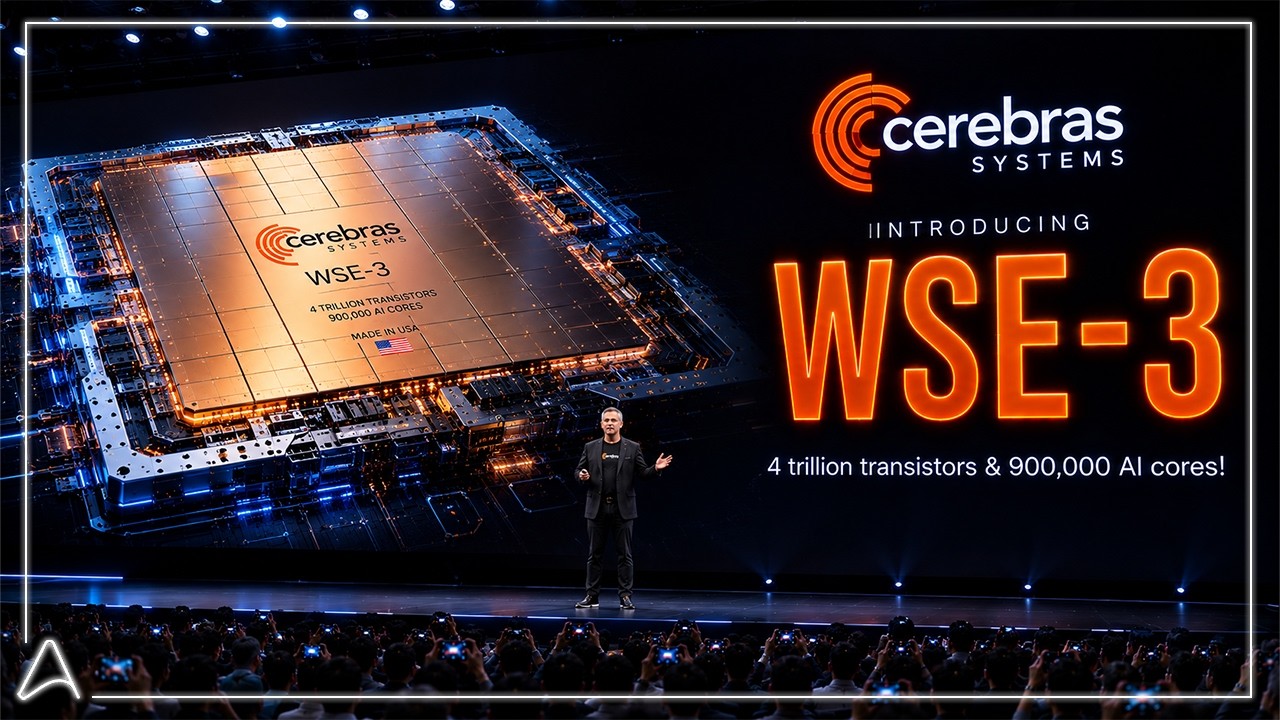
Evolving AI makes the hardware response concrete. The video frames Cerebras' wafer-scale approach as a direct attempt to break the memory bottleneck by treating the whole wafer as one processor with unusually high on-chip bandwidth, which turns "AI infrastructure" into an architectural design contest rather than only a spending race (video).
Discussion insight: The feed now treats AI buildout as a coordination problem between power, components, and chip design. The optimism is still there, but it is increasingly routed through questions of physical feasibility and supplier differentiation.
Comparison to prior day: Compared with 2026-06-05, the story shifted from broad infrastructure complexity toward a sharper "bubble versus bottleneck" framing.
1.3 Builders moved from generic model hype to local deployment, benchmarking, and agent-sprawl control 🡕
The builder videos on 2026-06-06 cared less about a single frontier winner and more about the control layer around AI work. The shared question is how to run useful AI repeatedly: which local model to trust, how to benchmark it, how to schedule it, and what happens when an organization already has too many agents.

WorldofAI makes local deployment the center of the story. Google's launch post says Gemma 4 12B is designed to run agentic multimodal workloads on laptops with 16 GB of VRAM or unified memory, while Ollama already packages the model family for local execution, so the video's "best local AI coding model" framing lands as a practical deployment question rather than a pure benchmark boast (video, Google blog, Ollama).

Eli the Computer Guy turns enterprise adoption into an operations warning. The important signal is not the exact count in the title so much as the framing: once agents are already inside large organizations, the next pain is sprawl, coordination, and governance rather than simple access to models (video).
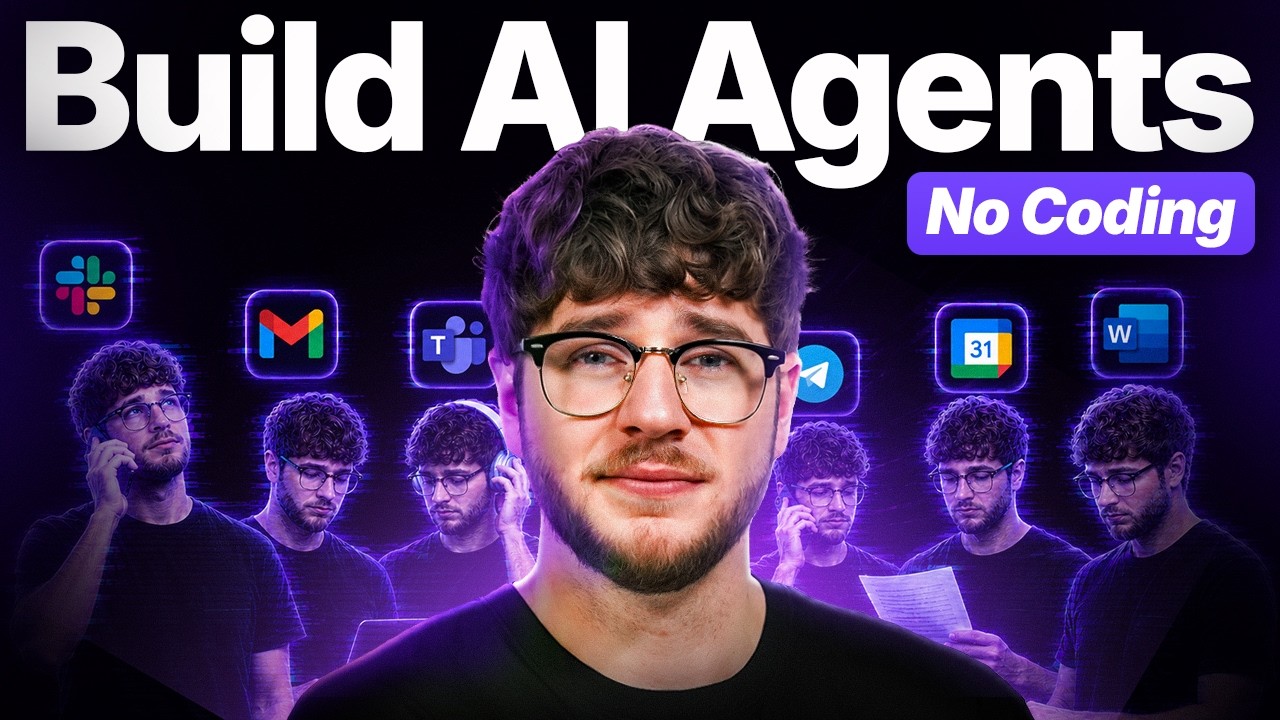
Metics Media makes the low-end of the same trend explicit. The tutorial promises a no-code agent in Nexos.ai that connects to real tools such as Gmail and Google Calendar and runs on a schedule automatically, which shows the market also pushing agent operations down toward non-technical users and repeatable workflow automation (video, Nexos.ai).
Discussion insight: The common need is a control plane: local model packaging, benchmark harnesses, agent inventory, connectors, and scheduled execution all sit above the model itself.
Comparison to prior day: Compared with 2026-06-05's focus on reasoning budgets and persistent assistants, 2026-06-06 made local practicality and enterprise sprawl more explicit.
1.4 AI stayed an institutional trust story, pairing anxiety, oversight, and verification 🡒
Institutional coverage remained one of the most stable clusters in the feed. The notable signal is persistence: public anxiety, government-style oversight, and scientific verification continue to travel together, which suggests these are now default lenses for talking about AI rather than one-off controversies.
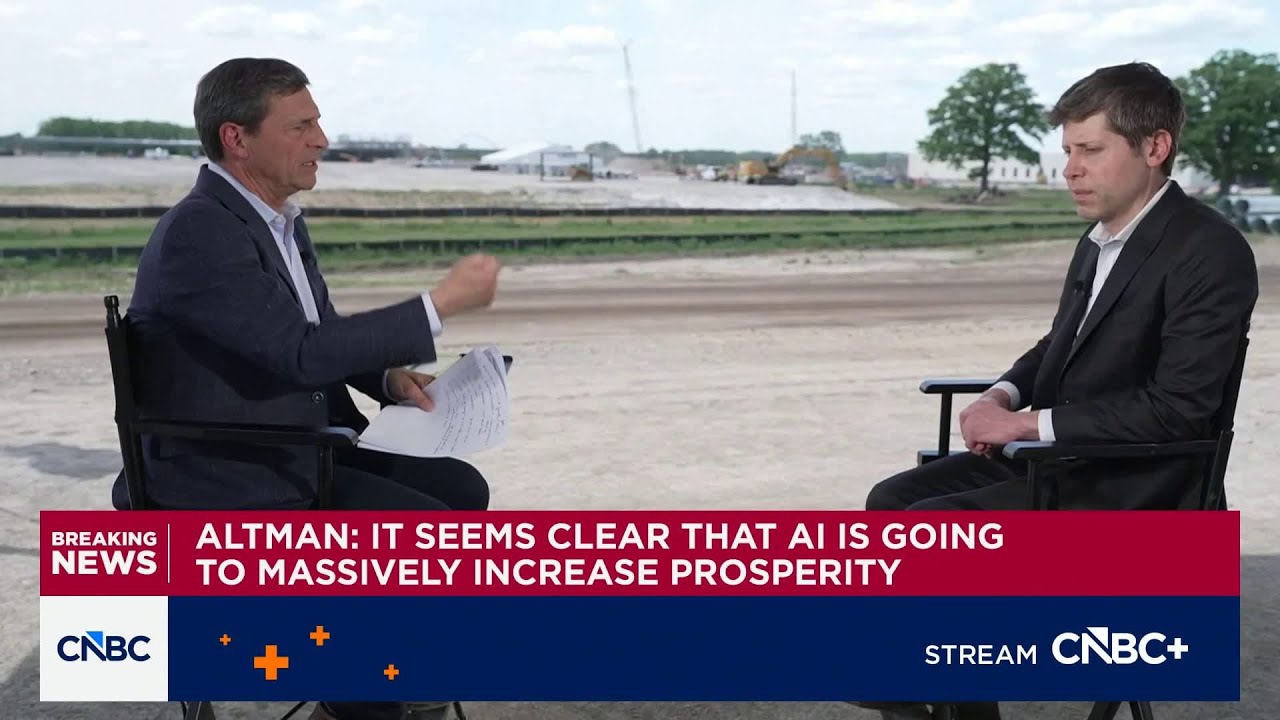
CNBC Television gives the simplest trust signal in the set. Sam Altman says people are right to be anxious about AI, which matters because a leading model-company CEO is validating concern rather than trying to dismiss it (video).

New York Times Podcasts turns AI oversight into mainstream political coverage. The episode says Trump signed an executive order asking companies to voluntarily provide government access to new models before public release, which moves frontier-model oversight further into the center of daily news coverage (video).

OpenAI adds the capability side of the same institutional turn. The episode says a general-purpose reasoning model helped disprove an 80-year-old Erdős conjecture, but it spends unusual time on how researchers verified the proof, which makes human checking part of the achievement rather than an afterthought (video).
Discussion insight: The common thread is governance burden. Stronger models are arriving with more anxiety, more release scrutiny, and more emphasis on verification in high-trust contexts.
Comparison to prior day: Compared with 2026-06-05, this cluster stayed broad but mostly reinforced existing concerns rather than opening a new subtheme.
1.5 Humanoid robotics stayed visible, but the tone shifted toward packaged product roundups 🡒
Robotics kept a clear slice of AI attention on 2026-06-06. The important change versus 2026-06-05 is that the coverage felt a bit less like platform doctrine and a bit more like consumer-facing catalogs of machines, vendors, and standout demos.

IntelliCore frames the category as present-tense product selection. The video runs from elder-care companions to factory workers and athletic robots, stressing that these machines are no longer hidden research prototypes but systems that are shipping and, in some cases, already working alongside humans (video).
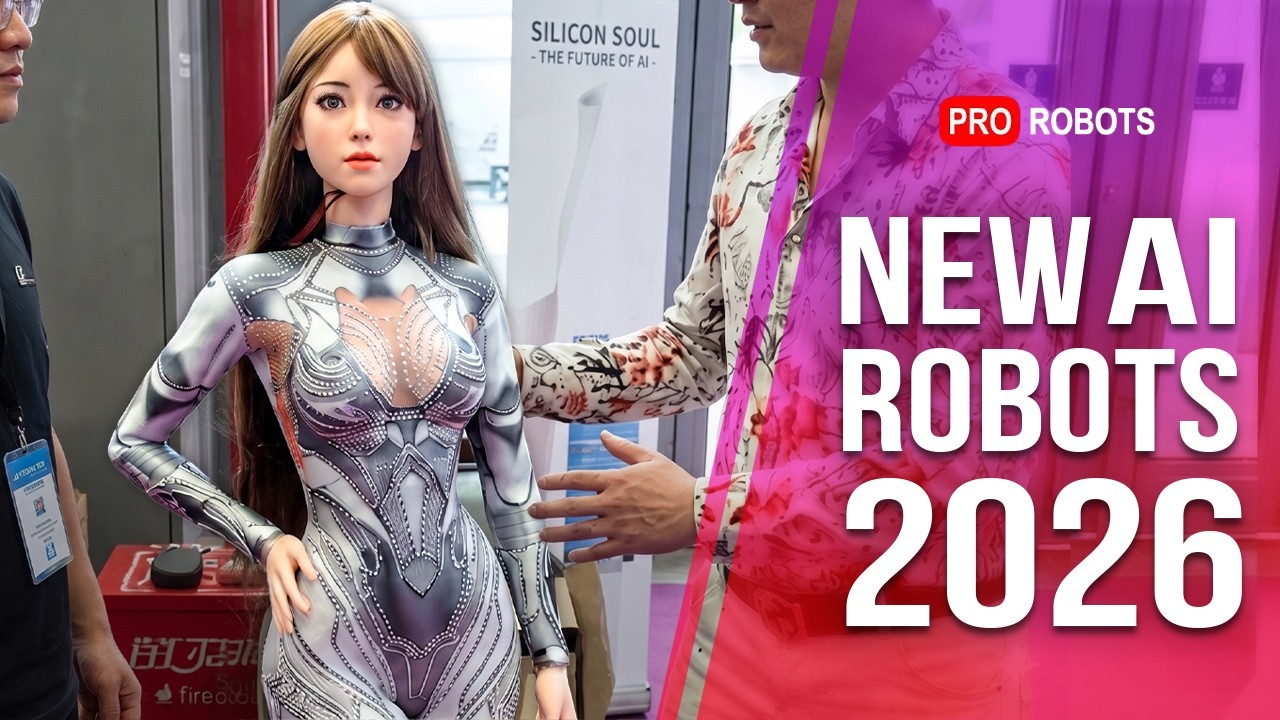
PRO ROBOTS keeps the same category in a faster-moving roundup format. Figure, Atlas, China expo coverage, and dexterous hands are bundled into a single "new robots" package, which suggests the robotics beat now has enough weekly raw material to sustain recurring media cycles instead of isolated spectacle clips (video).
Discussion insight: The category is visible and increasingly productized, but the coverage still favors catalogs of capabilities over one shared operating model or deployment standard.
Comparison to prior day: Compared with 2026-06-05's stronger platform-unification angle, 2026-06-06 kept robotics present but lighter on common infrastructure.
2. What Frustrates People
Search that hides sources and makes AI participation the default
This is High severity because the complaint is both emotional and behavioral. SAMTIME and Scroll Deep both treat Google's AI-search shift as something that makes search feel worse, while the linked TechCrunch reporting shows real movement toward DuckDuckGo and no-AI search. The coping behavior is immediate switching or partial migration rather than waiting for Google to restore trust. This is directly worth building for.
AI growth plans that keep colliding with power and memory reality
This is High severity because the biggest fresh upload in the feed is about physical bottlenecks, not model capability. The Infographics Show argues that power scarcity is delaying projects, while Evolving AI frames memory bandwidth as the hardware wall that conventional GPU scaling keeps running into. The workaround is not one product but a mix of power procurement, slower buildouts, and alternative chip architectures. This is directly worth building for.
Agent deployments that create sprawl before teams have the ops discipline to manage them
This is High severity because the builder feed now assumes agents already exist. WorldofAI shows how much work still goes into choosing and benchmarking a local model, Eli the Computer Guy packages large-company adoption as sprawl, and Metics Media shows that even beginner automation needs connectors and scheduling. The workaround today is layered evaluation, local packaging, manual oversight, and workflow-specific orchestration. This is directly worth building for.
High-sensitivity AI that still needs more trust work than demo culture provides
This is Medium severity because the tone is serious, but the current cluster is more about caution and oversight than outright rejection. CNBC Television, New York Times Podcasts, and OpenAI all show stronger AI arriving with more release scrutiny and more human verification. The current coping behavior is governance, proof checking, and narrower deployment contexts. This is worth building for, but it is more trust-heavy than the consumer and builder categories above.
Humanoid robotics that is visible in media but still lacks a shared operating layer
This is Medium severity because the excitement is real, but the operational stack is still diffuse. IntelliCore and PRO ROBOTS show a market full of differentiated machines and demos, not one common development or deployment workflow. The workaround is narrow role-specific adoption and vendor-by-vendor evaluation. This is worth building for, but it is earlier and more capital-intensive than the software-first categories above.
3. What People Wish Existed
Search assistants that keep links visible and AI optional
SAMTIME and Scroll Deep both point to the same practical need: search help that preserves source discovery and gives users a real opt-out from AI-first search. The urgency is high because switching behavior is already visible in the DuckDuckGo data. Alternatives exist, but the experience is still fragmented across several engines and habits. Opportunity: direct.
Infrastructure planning that joins model demand to power, site, and chip constraints
The Infographics Show and Evolving AI imply the same missing layer: something that tells teams where AI expansion fails first and whether the right fix is energy, networking, memory bandwidth, or architecture. This is a practical need because the current conversation still compresses too much into "buy more GPUs." Existing market coverage helps, but it does not turn the bottlenecks into an operating view. Opportunity: direct.
AI control planes for local models, agent inventory, and scheduled workflows
WorldofAI, Eli the Computer Guy, and Metics Media all point toward the same operational wish: one layer that benchmarks models, packages local deployment, keeps track of agent count, and handles scheduled work across real business tools. The need is practical and immediate because the current workaround is clearly multi-layered and manual. Existing products solve slices of the loop, but not the full path from model choice to agent operations. Opportunity: direct.
Verification and audit surfaces for public-interest AI
CNBC Television, New York Times Podcasts, and OpenAI all point toward the same need: release controls, clear audit trails, domain review, and human-verification workflows around high-trust use cases. The urgency is medium-high because the conversation now spans public anxiety, executive oversight, and research validation. Governance products already exist, but the trust burden is high and the category is competitive. Opportunity: competitive.
Standardized humanoid deployment and benchmarking stacks
IntelliCore and PRO ROBOTS together point to a practical robotics need: a shared way to compare machines, match them to tasks, and standardize deployment expectations beyond isolated showcase clips. The need is real, but the category is earlier and depends on hardware availability and enterprise buying cycles. Opportunity: aspirational.
4. Tools and Methods in Use
| Tool | Category | Sentiment | Strengths | Limitations |
|---|---|---|---|---|
| Google AI-first search / AI Overviews | Search surface | (-) | Conversational answers, broad default reach, follow-up flows | Repeatedly criticized for hiding links, removing user choice, and pushing unwanted AI behavior |
| DuckDuckGo no-AI search | Search alternative | (+) | Gives users a clear opt-out path and restores a visible-links workflow | Still requires users to change defaults and often combine several alternative engines |
| Gemma 4 12B | Local coding model | (+) | Laptop-ready agentic multimodal model with open distribution and lower memory demands | Builders still need benchmarking, quantization choices, and hardware-aware setup |
| Ollama Gemma 4 | Local inference method | (+/-) | Makes local packaging practical across several Gemma sizes and execution targets | Hardware limits and evaluation burden still stay with the user |
| WOAI Bench | Model evaluation | (+) | Gives builders a leaderboard and custom prompt/model testing workflow | Adds another evaluation layer teams must maintain before shipping |
| Nexos.ai | No-code agent platform | (+/-) | Connects agents to real tools and scheduled workflows without code | Introduces another orchestration and governance layer on top of models |
| Cerebras wafer-scale chips | AI hardware | (+/-) | Attacks the memory bottleneck with a radically different silicon design | Still faces power, cost, and ecosystem-adoption tradeoffs |
| Reasoning model plus proof verification | Research method | (+/-) | Extends AI into harder scientific work while keeping human checking in the loop | Verification remains mandatory and slows casual deployment narratives |
| Humanoid robot roundups | Robotics scouting method | (+/-) | Makes the vendor landscape and role categories easier to scan quickly | Still does not solve integration, evaluation, or deployment standardization |
Overall sentiment is strongest for tools that restore control and optionality: opt-out search, local models, benchmarking, and scheduled agents all land as ways to make AI more governable. Mixed sentiment concentrates around hardware and high-trust AI because the upside is real but the coordination burden remains high. The clearest migration patterns are from default search toward opt-out alternatives, from cloud-only assumptions toward local model packages, and from single assistants toward many agents that need inventory and scheduling.
5. What People Are Building
| Project | Who built it | What it does | Problem it solves | Stack | Stage | Links |
|---|---|---|---|---|---|---|
| DuckDuckGo no-AI search | DuckDuckGo | AI-free search mode that disables AI features by default | Gives users an opt-out path from AI-first search without leaving web search entirely | Search engine, privacy layer, no-AI mode | Shipped | page, article, video |
| Gemma 4 12B | Multimodal reasoning model designed to run agentic workloads locally on laptops | Gives builders a practical local coding and agent model instead of a cloud-only stack | Open weights, local inference, multimodality, MTP drafter support | Shipped | blog, Ollama, video | |
| WOAI Bench | WorldofAI | Benchmark suite and leaderboard for testing models and prompts | Gives builders a repeatable way to compare local and open models before committing to one | Benchmark harness, prompt library, leaderboard | Shipped | site, video |
| Nexos.ai | Nexos | No-code AI agent builder with business-tool connections and scheduled runs | Lets non-technical users automate recurring workflows without managing servers | No-code agent builder, connectors, scheduling | Shipped | site, video |
| Cerebras WSE-3 | Cerebras | Wafer-scale AI chip architecture positioned as an alternative to standard GPU scaling | Attacks memory-bandwidth limits in advanced AI workloads | Wafer-scale silicon, on-chip memory, custom architecture | Shipped | video |
Gemma 4, WOAI Bench, and Nexos all solve variations of the same builder problem: choosing, testing, and operating AI reliably is now a product category of its own. The interesting part is that the stack is splitting into layers - model, benchmark, connector, scheduler - rather than collapsing toward one all-powerful assistant.
DuckDuckGo no-AI search and Cerebras WSE-3 sit at opposite ends of the market, but they respond to the same pressure for control. One gives end users a way to reduce AI mediation, while the other gives infrastructure teams a different route around the hardware bottlenecks in current AI systems.
6. New and Notable
Power-shortage framing reached mass-audience explainer channels
The Infographics Show matters because it packages AI infrastructure skepticism for a 15.4 million-subscriber audience. Grid and power constraints are no longer a niche operator conversation; they are now an explainer-channel storyline.
Agent sprawl became a named enterprise-management problem
Eli the Computer Guy is notable less for the exact number in the title than for the framing. The conversation has moved from "should we use AI agents?" toward "how do we manage too many of them once they arrive?"
Local multimodal coding models started looking laptop-ready, not lab-only
WorldofAI, Google's Gemma 4 12B launch post, and the Ollama library entry make the notable point clear: local agentic work is being framed as something builders can try on ordinary development hardware, not only inside cloud-heavy setups.
Verification is becoming part of the AI achievement story itself
OpenAI is notable because the podcast spends so much time on checking the Erdős-conjecture proof. The signal is not just stronger capability, but a research culture that now narrates verification as part of the core work.
7. Where the Opportunities Are
[+++] AI control planes for local models, benchmarking, agent inventory, and scheduling — WorldofAI, Eli the Computer Guy, and Metics Media all point to the same gap: useful AI now needs packaging, testing, connectors, and agent operations around the model. This is strong because the workaround is already obviously layered and manual.
[+++] Source-visible search and switching layers — SAMTIME and Scroll Deep show that users want AI help without losing links or agency. This is strong because the pain is high-reach and already backed by measurable migration toward DuckDuckGo's opt-out surfaces.
[++] Infrastructure planning across power and custom silicon — The Infographics Show and Evolving AI show AI buildout as a multi-constraint problem rather than a straight-line spend curve. This is moderate because the pain is real, but much of the budget sits with large operators and hardware vendors.
[++] Verification and governance surfaces for high-trust AI — CNBC Television, New York Times Podcasts, and OpenAI show that anxiety, oversight, and proof checking are now standard companions to capability claims. This is moderate because the need is concrete, but the trust and compliance bar is high.
[+] Humanoid deployment tooling and evaluation stacks — IntelliCore and PRO ROBOTS show a growing vendor landscape without a common operating layer. This is emerging because the need is specific, but the category is still more hardware-dependent than the software-first opportunities above.
8. Takeaways
- Search backlash stayed the biggest consumer AI story on YouTube, but 2026-06-06 showed persistence more than escalation. SAMTIME and Scroll Deep kept the topic at the top of the feed, while the underlying opt-out signal still comes from DuckDuckGo switching and no-AI usage data. (source)
- The freshest momentum moved to infrastructure skepticism. The Infographics Show and Evolving AI together frame AI growth as a question of power availability, bottlenecked hardware, and alternative chip design rather than only better models. (source)
- Builder attention shifted toward the AI control plane, not just model capability. WorldofAI, Eli the Computer Guy, and Metics Media all emphasize local deployment, benchmarking, scheduling, and agent-sprawl management. (source)
- Institutional AI coverage keeps tying stronger capability to more oversight and verification, not less. CNBC Television, New York Times Podcasts, and OpenAI keep anxiety, release scrutiny, and proof checking inside the same conversation. (source)