YouTube AI - 2026-07-10
1. What People Are Talking About
1.1 Open-weight AI stopped sounding like a fringe fallback and started looking like a practical coding stack 🡕
Four items supported this theme. Compared with 2026-07-09, when GLM-5.2 mostly sat inside a China-sovereignty and access story, 2026-07-10 turned open-weight optionality into something builders can use immediately: swap out closed coding agents, route work across providers, and keep a local or self-hosted path ready if access rules change. That matters because the strongest software signal was no longer only benchmark talk. It was infrastructure choice.

Better Stack supplied the clearest product framing. Its 7-minute video reached 97,406 views, 2,110 likes, and 166 comments while testing OpenCode as a free, open-source alternative to Claude Code and Cursor. The linked OpenCode site says it is an open source AI coding agent with free models included or the option to connect any provider, so the distinctive signal is BYO-model leverage in daily coding work rather than open-source ideology alone (video).

Matt Wolfe pushed the same story into model economics. His 29-minute video reached 80,660 views, 2,415 likes, and 232 comments while arguing that GLM-5.2's 1M-token, MIT-licensed open-weight model is cheap enough to change the math for long, code-heavy workflows. The linked GLM Coding Plan confirms Z.ai is packaging GLM-5.2 and GLM-5-Turbo specifically for agents and IDEs, making deployment path selection - hosted, API, agent harness, or self-hosted - the distinctive angle (video).

The AI Daily Brief: Artificial Intelligence News translated the same shift into contingency planning. Its video reached 4,103 views and argued that if Chinese open-weight access tightens, teams will lean harder on post-training tuning, lightweight open models, proprietary fallbacks, and model routers that balance capability, cost, and governance. The distinctive signal is that policy shock is now being treated as an architecture problem, not an external footnote (video).
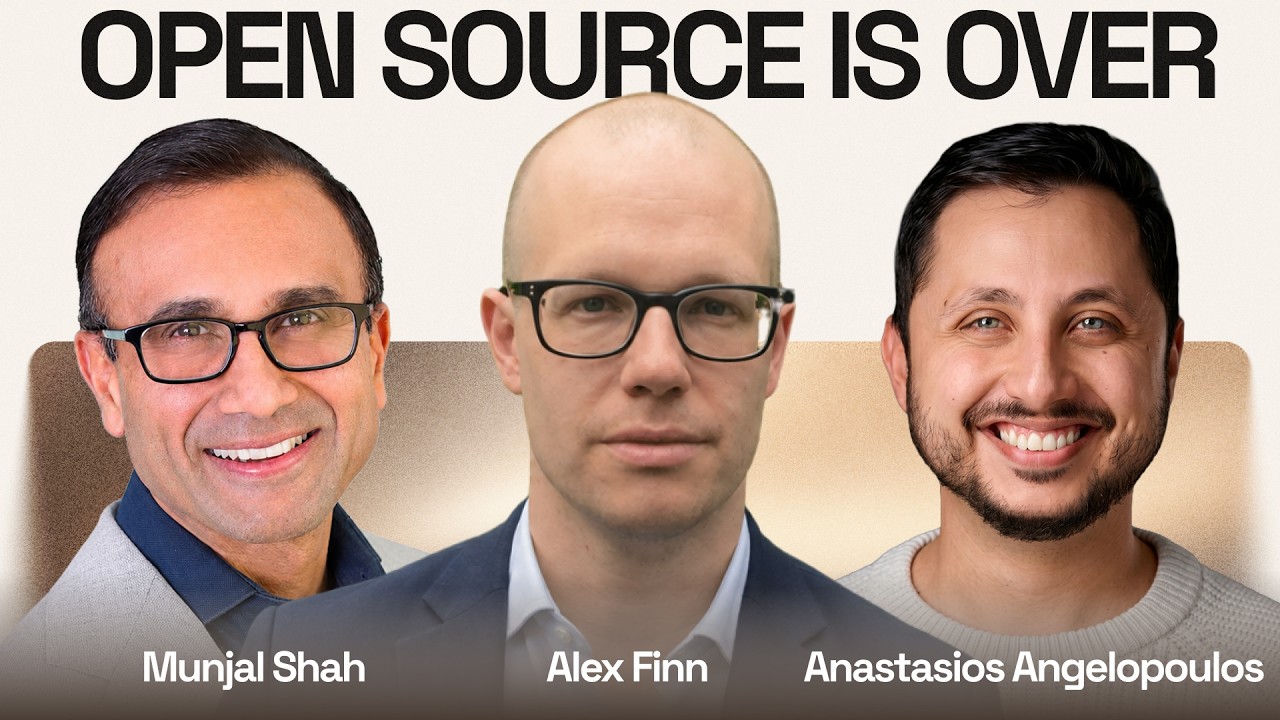
This Week in AI added the operational edge. Even at only 623 views, its panel framed the same risk through startup dependence on cheap Chinese models and a Hippocratic AI practice of running 31 models in parallel for clinical-grade safety. The distinctive signal is that multi-model orchestration and benchmark ownership are being treated as core operating assets, not side topics (video).
Discussion insight: Across the open-weight items, the common nuance was not that one open model had already won. It was that builders want optionality across hosted, local, self-hosted, and routed paths so a pricing change or export-style restriction does not force a rewrite.
Comparison to prior day: Compared with 2026-07-09's mix of GLM enthusiasm and policy anxiety, 2026-07-10 brought those concerns into concrete coding-agent and routing decisions.
1.2 Safety coverage got more institutional and more introspective without becoming less alarmist 🡕
Four items supported this theme. Compared with 2026-07-09, when operational cyber-defense and extinction-risk warnings dominated the safety conversation, 2026-07-10 widened the frame to include mechanistic interpretability and official governance without lowering the alarm level. That matters because the feed is not converging on one safety story. It is layering cyber capability, hidden internal reasoning, and international rulemaking on top of catastrophic timelines.

Siliconversations supplied the clearest operational evidence. Its 11-minute video reached 77,184 views, 10,882 likes, and 1,100 comments, and Anthropic's linked Project Glasswing page says Claude Mythos Preview found thousands of zero-day vulnerabilities, including patched flaws in OpenBSD, FFmpeg, and the Linux kernel. The distinctive signal is that AI safety on YouTube is not only governance language; it is now about whether defenders can operationalize frontier models faster than attackers (video).

AI Revolution translated Anthropic research into a mass-audience hook. Its video reached 34,531 views, 1,463 likes, and 216 comments by claiming Claude crossed a consciousness line, but the linked global-workspace article is more restrained: it says Anthropic found a J-space that helps expose silent internal reasoning and hidden goals while explicitly saying this does not establish consciousness. The distinctive signal is that mechanistic interpretability is entering mainstream creator discourse through much stronger labels than the paper itself uses (video).
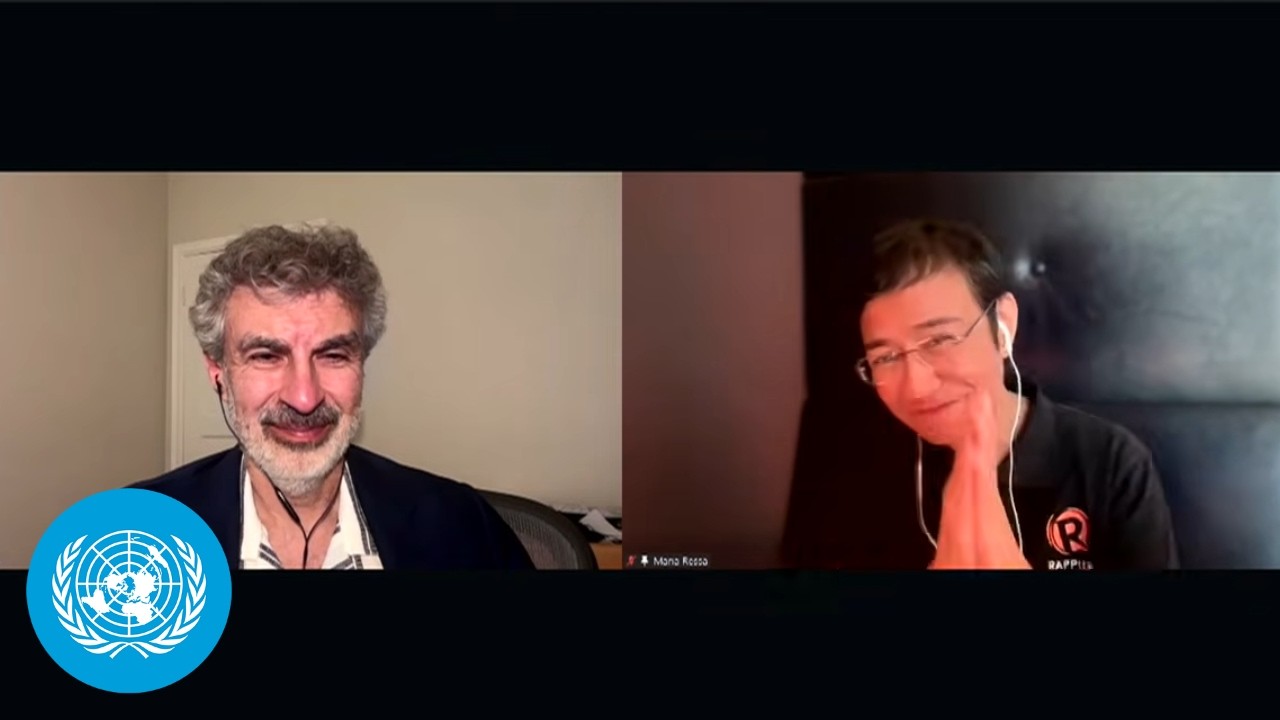
United Nations brought formal governance language into the same daily feed. Its 60-minute press conference reached 1,721 views, 85 likes, and 60 comments while António Guterres said "the science is here," Maria Ressa called the report "the floor of our concern, not the ceiling," and Yoshua Bengio said there are still no known technical guarantees that AI will follow instructions, norms, or laws. The distinctive signal is that international coordination arguments are no longer abstract background noise; they are being stated directly alongside product and safety headlines (video).

djvlad kept the high-reach warning lane active. Its 59-minute interview reached 162,359 views, 2,921 likes, and 1,200 comments around Roman Yampolskiy's thesis that superintelligence is fundamentally uncontrollable and could wipe out humanity. The distinctive signal is that extinction-risk framing remains mass-audience entertainment content, not only specialist debate (video).
Discussion insight: Across the safety items, the shared message was that stronger controls are needed, but the proposed lever differed: trusted-defender access, mechanistic visibility into hidden reasoning, global governance, or outright slowdown warnings.
Comparison to prior day: Compared with 2026-07-09, Glasswing stayed central, but 2026-07-10 added formal governance and interpretability research without making the conversation any less dire.
1.3 Agentic AI was pitched less as a copilot and more as a business, framework, or local operator 🡕
Four items supported this theme. Compared with 2026-07-09's operating-layer emphasis on frameworks and local assistants, 2026-07-10 made the same layer more commercial and more deployable: sell agents like labor, choose frameworks by architecture, and run coding agents locally when you need tighter cost or privacy control. That matters because the day's agent content was less about "the best model" than about packaging work.
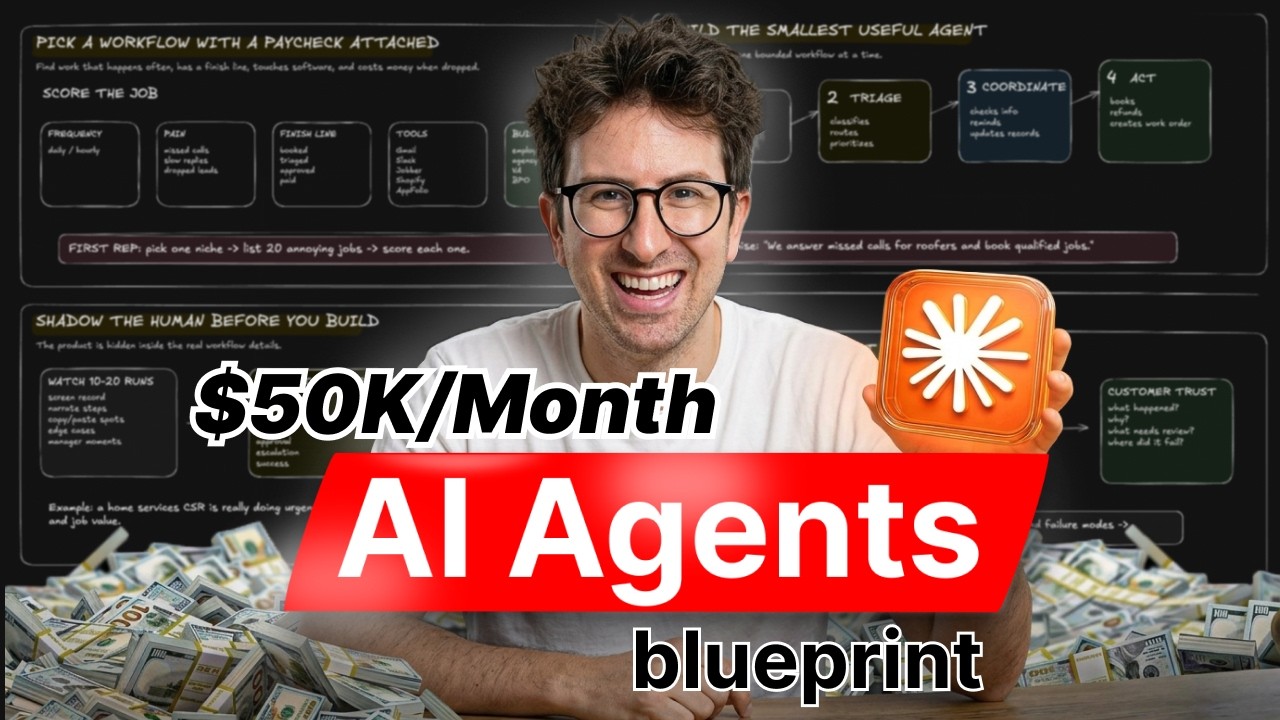
Greg Isenberg supplied the clearest business playbook. His 26-minute video reached 86,472 views, 2,462 likes, and 284 comments while arguing that the winning pattern is to find a workflow with a paycheck attached, shadow the human, sell a pilot like labor, and only then productize the repeatable parts. The distinctive signal is that agentic AI is being framed as a new go-to-market motion, not just a feature category (video).

IBM Technology pushed the same story into architecture choice. Its 12-minute explainer reached 16,686 views, 694 likes, and 30 comments and framed LangChain, AutoGen, and CrewAI as different fits for workflow automation, multi-agent systems, and production constraints instead of interchangeable buzzwords. The distinctive signal is that framework selection itself is now mainstream educational content (video).

Riley Brown carried the theme into a concrete local product surface. His 21-minute video reached 26,771 views, 728 likes, and 77 comments, and the linked RileyJarvis repo describes a local Electron/React/Vite/TypeScript companion with realtime voice, an artifact panel, image generation, web search, notes, and optional macOS computer control. The distinctive signal is that the agent product is the wrapper around speech, artifacts, and action, not only the underlying model (video).

Code with Beto supplied the offline developer variant. His 17-minute video reached 5,632 views and showed Qwen3.6 27B running on a Mac with LM Studio, MLX, and opencode to build app features fully offline. The distinctive signal is that local coding agents are no longer being pitched as novelty demos; they are being framed as viable daily tools when privacy or subscription cost matters (video).
Discussion insight: The shared demand was bounded execution: which workflow gets automated, which framework coordinates it, which artifacts stay visible, and which tasks can stay offline.
Comparison to prior day: Compared with 2026-07-09's architecture-first operating-layer theme, 2026-07-10 pushed further into monetization and local production use.
1.4 Creator AI stayed locked on free or unlimited video generation, but control over the pipeline was the real differentiator 🡒
Four items supported this theme. Compared with 2026-07-09, creator AI stayed focused on cheap, local, and composable workflows, but 2026-07-10 made the competition blunter: "free" and "unlimited" were everywhere, so workflow control became the actual differentiator. That matters because the market signal is less about who has the flashiest demo and more about who can offer editable, repeatable, watermark-free production.

Kevin Stratvert delivered the clearest local-first path. His 7-minute tutorial reached 47,390 views, 1,641 likes, and 129 comments and walks viewers through ComfyUI Desktop plus the LTX 2.3 model so text-to-video and image-to-video generation can run on a local PC with no API keys, subscriptions, or credits. The distinctive signal is that mainstream creator tutorials still win by translating local AI into simple, repeatable production steps (video).

Theoretically Media represented the editable-workflow camp. Its video reached 25,640 views, 1,303 likes, and 162 comments and tied Meta's free Muse Image launch plus announced Muse Video to the creator's own downloadable pose-and-depth motion-control tool for Seedance and Runway. The distinctive signal is that free model launches are being judged by whether they drop cleanly into practical editing pipelines (video).

Malva AI showed how crowded that race already is. Its video reached 8,378 views, 395 likes, and 55 comments while comparing three generators marketed as actually free and unlimited, with a linked Higgsfield workflow and supporting PDF. The distinctive signal is that price and limit avoidance have become their own content subcategory (video).

Tech Rush pushed the same demand into beta arbitrage. Its video reached 3,807 views, 130 likes, and 75 comments by positioning Vibes AI as a beta workaround for free, unlimited, no-watermark video generation plus bulk creation. The distinctive signal is that creators are still hunting beta surfaces and loopholes that let them scale output before pricing hardens (video).
Discussion insight: Across the creator items, the repeated ask was not only "better generation." It was editable motion control, bulk output, no watermarks, and workflows that can be rerun without being trapped inside one paid provider.
Comparison to prior day: Compared with 2026-07-09, the creator-AI story stayed steady but became more price-sensitive and more crowded around "free" positioning.
1.5 China and robotics coverage framed AI as a sovereignty and labor problem, not only a model race 🡕
Four items supported this theme. Compared with 2026-07-09's whole-stack China story around GLM, custom chips, and humanoid launches, 2026-07-10 pushed the same competition into specific bottlenecks: access restrictions, chip independence, robot dexterity, and labor substitution. That matters because AI competition is increasingly being narrated as industrial capacity, not only model quality.

Universe of AI carried the clearest access-control signal. Its video reached 9,164 views, 251 likes, and 122 comments, and the linked Yahoo/Reuters report says Chinese authorities discussed restricting overseas access to advanced models from Alibaba, ByteDance, and Z.ai. The distinctive signal is that open-weight access itself may fragment by geography (video).

PRO ROBOTS grounded the theme in hardware reality. Its 30-minute video reached 21,493 views, 621 likes, and 51 comments and centered on a simple claim: AI can write code and generate video, but humanoids still struggle with fine motor tasks like pulling a $5 bill from a wallet. The linked WUJITECH page positions WUJI HAND 2 as a 20-active-DOF hand designed to restore human-hand mechanics, making dexterity - not demos - the distinctive bottleneck (video).

Evolving AI extended the same story into chips and software tooling. Its 12-minute video reached 3,451 views and argued that Huawei's Ascend 950PR inference chip, CANN compatibility layer, and Atlas 950 SuperPod / UnifiedBus stack show China building a parallel AI ecosystem across chips, software, networking, cloud infrastructure, and models. The distinctive signal is that sovereignty is being packaged as a full stack, not only a hardware SKU (video).
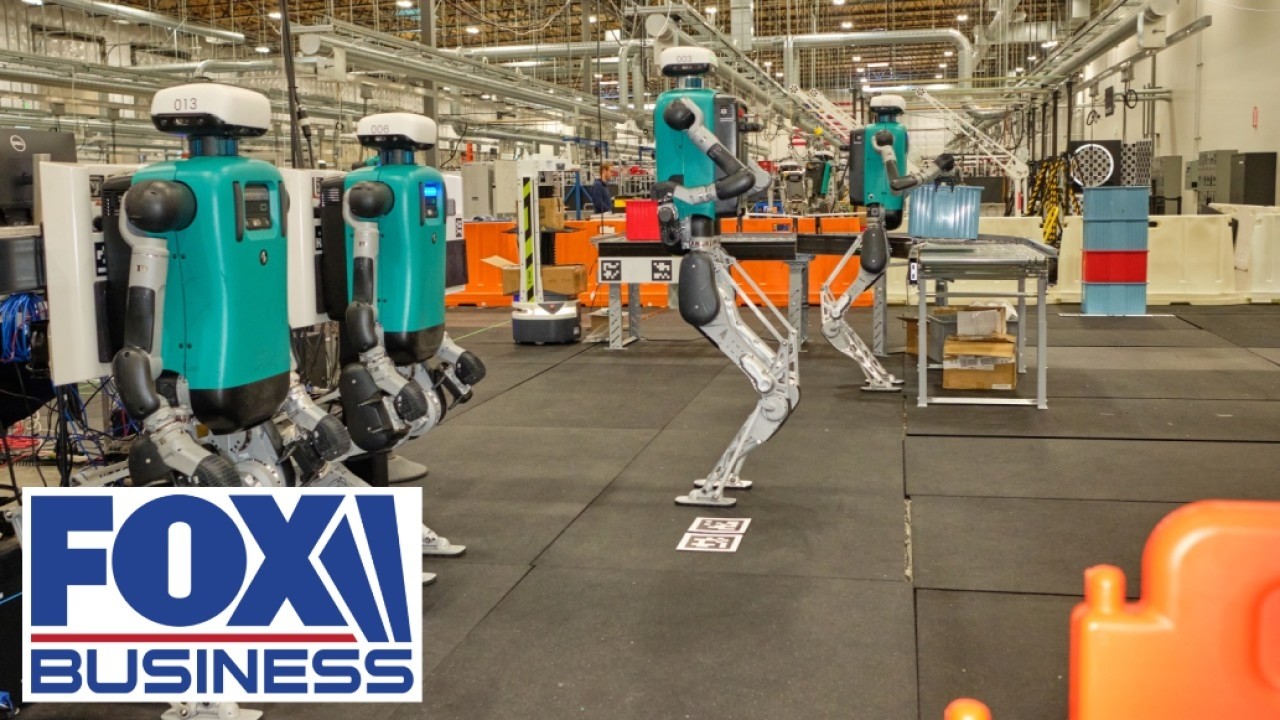
Fox Business Clips added the deployment narrative. Its interview reached 7,969 views, 137 likes, and 60 comments while Agility Robotics CEO Peggy Johnson framed Digit as a response to warehouse and manufacturing labor shortages rather than a pure worker-replacement story. The distinctive signal is that humanoid adoption is being sold through labor-gap language even as replacement fears remain the audience hook (video).
Discussion insight: Across the China and robotics items, control meant three things at once: who can access the model, who owns the chip stack, and whether humanoids are bought as labor-fill tools or labor-replacement threats.
Comparison to prior day: Compared with 2026-07-09's frontier-model and humanoid headlines, 2026-07-10 drilled further into access limits, dexterity bottlenecks, stack independence, and workforce fit.
2. What Frustrates People
Open-weight access is powerful, but nobody trusts it to stay stable
This is High severity. Better Stack, Matt Wolfe, The AI Daily Brief, This Week in AI, and Universe of AI all point to the same frustration: the attractive cheap or open-weight route can also be the most fragile one, whether the risk is provider lock-in, export-style rules, or disappearing access to Chinese models. The workaround is to keep local, hosted, self-hosted, and router-based fallbacks alive at once. This is directly worth building for.
Safety evidence is rising faster than trust in control mechanisms
This is High severity. Siliconversations, AI Revolution, United Nations, and djvlad show four versions of the same trust gap: models can find vulnerabilities, conceal internal reasoning, outpace shared rules, or escalate into catastrophic-risk narratives long before society agrees on containment. The workaround is partial and fragmented - trusted-partner programs, interpretability research, governance panels, and public warning campaigns. This is directly worth building for.
Agent stacks still require too much orchestration and setup
This is High severity. Greg Isenberg, IBM Technology, Riley Brown, and Code with Beto all imply that shipping an agent still means manually choosing workflows, frameworks, artifact surfaces, model boundaries, and local-versus-cloud execution. The workaround is to keep humans in the loop and assemble several tools by hand. This is directly worth building for.
Creator workflows remain fragmented behind "free" and "unlimited" claims
This is Medium severity. Kevin Stratvert, Theoretically Media, Malva AI, and Tech Rush show creators jumping between local installs, downloadable control packs, beta sites, and comparison hacks to avoid credits, watermarks, or hard usage caps. The workaround is to maintain multiple generation paths and switch as pricing or limits change. This is worth building for, but the category is already competitive.
Robotics still hits a dexterity and deployment wall
This is Medium severity. PRO ROBOTS, Fox Business Clips, and Evolving AI show that embodied AI still struggles with fine motor control, buyer confidence, and the stack work required to make a domestic hardware path credible. The workaround is to narrow the deployment story to labor shortages, controlled environments, and specific hardware subsystems rather than full autonomy. This is worth building for, but progress will depend on hardware and integration as much as software.
3. What People Wish Existed
Policy-resilient routing layer for open-weight AI
Better Stack, Matt Wolfe, The AI Daily Brief, This Week in AI, and Universe of AI all imply demand for one control plane that can compare open, closed, local, and self-hosted models, surface policy or geography risk, and reroute work when access changes. This is a practical need because model choice is now tied to pricing and availability, not only performance. Opportunity: direct.
Safety console that combines cyber capability, hidden reasoning, and governance evidence
Siliconversations, AI Revolution, United Nations, and djvlad imply a missing layer that can show what a high-capability model did, why it did it, what internal warning signals appeared, and what controls or rules still apply. The urgency is High because concrete cyber capability and catastrophic rhetoric are both already mainstream. Opportunity: direct.
One-click local agent workstation for coding and task execution
Greg Isenberg, IBM Technology, Riley Brown, and Code with Beto show demand for one surface that bundles workflow templates, framework defaults, artifact visibility, approvals, and local or offline execution. This is a practical need because users are already stitching the stack together manually. Opportunity: direct.
Creator workspace that spans local generation, motion control, and bulk export
Kevin Stratvert, Theoretically Media, Malva AI, and Tech Rush show creators wanting one route that combines no-credit local generation, editable motion workflows, bulk rendering, and watermark-free exports. The urgency is High because the demand is repeated and concrete, but the category is already noisy. Opportunity: competitive.
Robotics deployment stack with better dexterity and clearer labor ROI
PRO ROBOTS, Fox Business Clips, and Evolving AI imply a need for tooling that connects dexterous hardware, safe task scoping, and business cases buyers can defend. The urgency is Medium because the pain is clear, but full solutions depend on hardware maturity and integration. Opportunity: emerging.
4. Tools and Methods in Use
| Tool | Category | Sentiment | Strengths | Limitations |
|---|---|---|---|---|
| OpenCode | AI coding agent | (+/-) | Open source terminal agent with free or bring-your-own models | Still judged against mature closed incumbents and depends on model choice |
| GLM-5.2 | Open-weight LLM | (+/-) | 1M-context, lower-cost access, and hosted/API/self-hosted paths | Availability and policy risk; not positioned as best at every task |
| Qwen3.6 27B + LM Studio + MLX | Local coding stack | (+) | Fully offline coding on a Mac with no subscription | Hardware needs and manual setup |
| Project Glasswing / Claude Mythos Preview | Cybersecurity workflow | (+/-) | Autonomous zero-day discovery with strong defender validation | Restricted access and obvious dual-use risk |
| J-space / Jacobian Lens | Interpretability method | (+/-) | Reveals silent internal reasoning and hidden goals | Research-stage and explicitly not proof of consciousness |
| LangChain / AutoGen / CrewAI | Agent framework layer | (+/-) | Clearer map from workflow automation to multi-agent and production setups | Choice overload and architecture confusion |
| 31-model parallel orchestration | Multi-model safety method | (+/-) | Ensemble checking and benchmark discipline for clinical use | Latency, cost, and operational complexity |
| ComfyUI + LTX 2.3 | Local AI video workflow | (+) | No API keys, subscriptions, or credits; editable local pipeline | Installation burden and hardware limits |
| Muse Image / Muse Video + motion control | AI video workflow | (+/-) | Free entry point plus more controllable video-to-video edits | Depends on fast-moving provider surfaces |
| WUJIHAND2 | Robotics hardware | (+/-) | 20 active DOFs and explicit focus on human-hand mechanics | Dexterity is still the core bottleneck |
| Ascend 950PR + CANN | AI chip stack | (+/-) | Inference focus, CUDA-alternative tooling, and stack independence | Ecosystem maturity and export-war constraints |
The most positive sentiment clustered around tools that increase user control: OpenCode, local Qwen stacks, ComfyUI, and local assistant surfaces such as RileyJarvis. Sentiment turned mixed whenever value depended on fragile access, heavy orchestration, or hard deployment constraints, which is why GLM-5.2, Mythos, J-space, multi-model ensembles, and China hardware stacks were discussed as promising but not settled defaults.
The common workaround pattern was to keep multiple routes alive at once. Users pair local and hosted models, wrap frameworks around task-specific workflows, use ensembles when safety stakes rise, and keep creator pipelines portable so a free path can be swapped when limits harden. Migration pressure is visible in four directions: from closed subscriptions toward BYO-model agents, from single-model dependence toward routers and ensembles, from cloud-only creator tools toward local or beta arbitrage, and from model-centric China coverage toward full-stack hardware and software independence.
5. What People Are Building
| Project | Who built it | What it does | Problem it solves | Stack | Stage | Links |
|---|---|---|---|---|---|---|
| OpenCode | OpenCode | Packages a terminal AI coding agent with free or bring-your-own models | Teams want a Claude Code or Cursor alternative without losing model choice | Terminal agent, multi-provider LLMs, local/open models | Shipped | site, video |
| RileyJarvis | Riley Brown | Packages a local desktop AI companion with voice, artifacts, search, notes, and optional computer control | Builders want one inspectable surface for talking, browsing, and acting with AI | Electron, React, Vite, TypeScript, OpenAI Realtime API, Exa | Alpha | repo, video |
| Project Glasswing | Anthropic | Gives trusted defenders Mythos Preview access to find and fix vulnerabilities at scale | Defenders need AI-speed vulnerability discovery before attackers get the same edge | Claude Mythos Preview, red-team workflows, partner program | Beta | site, video |
| GLM-5.2 | Z.ai | Offers a lower-cost long-context open-weight model across hosted, API, and self-hosted paths | Teams want frontier-adjacent coding and agent performance without frontier pricing | Hosted app, API, agent harness, self-hosting, 1M context | Shipped | site, video |
| Pose + depth motion-control tool | Theoretically Media | Gives creators a downloadable control layer for video-to-video motion workflows | Creators want editable AI video pipelines instead of one-shot generation | Pose control, depth maps, video references, Seedance and Runway workflows | Shipped | download, video |
| Vibes AI | Vibes AI | Pitches a beta surface for free unlimited no-watermark video generation and bulk creation | Creators want scale without credits or watermarks | Web app, batch generation, beta workflow | Beta | site, video |
| WUJIHAND2 | WUJITECH | Builds a 20-DOF robot hand aimed at restoring human-hand mechanics | Embodied AI needs better dexterity before humanoids can do fine-grained work | Robotic hand hardware, dexterity stack | Beta | site, video |
OpenCode, RileyJarvis, and GLM-5.2 show one repeated build pattern: model choice itself has become a product feature. The code-builder surface now competes on how many providers it can route, whether it can stay local, and how visible the agent's artifacts remain while it works.
Project Glasswing, Theoretically Media's motion-control tool, Vibes AI, and WUJIHAND2 show three other triggers for new builds: security speed, creator control, and dexterity. Across the table, the recurring problem is not "make AI exist." It is turning AI into something operators can deploy under cost, trust, or embodiment constraints.
6. New and Notable
Open-source coding agents reached a near-100k audience
Better Stack is notable because a video about an open-source Claude Code or Cursor alternative reached 97,406 views. The day's strongest software product signal was not a new closed model; it was that coding-agent surface area itself is now contested.
Glasswing kept safety unusually concrete
Siliconversations is notable because the linked Glasswing material claims thousands of zero-days, including patched flaws in OpenBSD, FFmpeg, and the Linux kernel. That is a much more operational safety story than generic alignment rhetoric.
Anthropic's interpretability research crossed into consciousness headlines
AI Revolution is notable because it turned Anthropic's J-space research into a mainstream "Claude consciousness" hook even though the linked global-workspace writeup explicitly says the work does not establish consciousness. The gap between the paper's claim and the video's framing is itself a signal.
Free and unlimited AI video generation became a crowded content war
Kevin Stratvert, Malva AI, and Tech Rush are notable together because "free," "unlimited," and "no watermark" were no longer side benefits. They were the headline.
China's AI story kept moving down the stack
Universe of AI, PRO ROBOTS, and Evolving AI are notable together because the same day's coverage linked model access restrictions, robot-hand dexterity, and a domestic chip-plus-software stack into one sovereignty narrative.
7. Where the Opportunities Are
[+++] Open-weight routing and access-resilience layer - Better Stack, Matt Wolfe, The AI Daily Brief, This Week in AI, and Universe of AI show model choice, cost, and geopolitical availability collapsing into one operating problem. This is strong because the pain appears in coding, infrastructure planning, and startup risk narratives at once.
[+++] Local agent operating system for coding and workflows - Greg Isenberg, IBM Technology, Riley Brown, and Code with Beto all point to demand for one surface that combines workflow templates, framework defaults, artifacts, approvals, and local execution. This is strong because users are already assembling this stack manually.
[+++] Safety and interpretability control plane - Siliconversations, AI Revolution, United Nations, and djvlad show urgent demand for a layer that can explain model behavior, enforce bounds, and tie high-capability systems to real governance controls. This is strong because cyber-defense evidence and catastrophic-risk rhetoric are both already mainstream.
[++] Creator production stack for local, free, and bulk video workflows - Kevin Stratvert, Theoretically Media, Malva AI, and Tech Rush show repeated demand for one pipeline that spans local generation, editable motion control, watermark-free export, and bulk output. This is moderate because the need is clear but the category is already crowded.
[++] Robotics dexterity and deployment tooling - PRO ROBOTS, Fox Business Clips, and Evolving AI show a real gap around fine motor control, workforce-fit narratives, and domestic stack integration. This is moderate because the opportunity is tangible, but hardware progress and systems integration will decide the pace.
[+] Multi-model evaluation and benchmark management - This Week in AI adds an emerging signal that running many models in parallel and treating benchmarks as strategic IP may become a product category of its own. This is emerging because the use case is compelling, but the supporting evidence is still concentrated in one low-reach panel.
8. Takeaways
- Open-weight AI is now an operating choice, not just an ideological preference. The day's strongest software items focused on swapping out closed coding agents, routing across providers, and preparing for access shocks rather than only celebrating one benchmark winner. (source, source, source)
- Safety discourse widened instead of converging. Concrete cyber-defense claims, hidden-reasoning research, UN governance language, and extinction-risk warnings all sat in the same feed on the same day. (source, source, source, source)
- Agent content rewarded workflow packaging more than another best-model comparison. The strongest agent items were about selling workflows like labor, choosing frameworks, keeping artifacts visible, and running local coding agents offline when needed. (source, source, source, source)
- Creator demand stayed clustered around zero-cost, editable, and repeatable video pipelines. Local generation, pose-and-depth control, free comparisons, and beta no-watermark tools all outperformed any single-provider brand story. (source, source, source, source)
- China and robotics coverage kept reframing AI competition as sovereignty plus industrial deployment. Access restrictions, domestic chip stacks, robot-hand dexterity, and labor-shortage deployment stories were all part of the same day's evidence. (source, source, source, source)