YouTube AI - 2026-07-14
1. What People Are Talking About
1.1 AI criticism widened from safety alarm to a broader trust crisis 🡕
Four items supported this theme. Compared with 2026-07-13's control-heavy story, 2026-07-14 still cared about catastrophic risk, but it also pushed mainstream attention toward whether generative AI is economically real and whether "reasoning" claims are being oversold.

The Diary Of A CEO supplied the day's dominant reach signal. Its 2-hour interview reached 2,117,178 views, 54,761 likes, and 11,000 comments, and the description says former OpenAI researcher Daniel Kokotajlo believes there is a 70% chance AI leads to human extinction and that superintelligence could arrive before the end of the decade. The distinctive angle is that existential-risk language kept moving onto one of YouTube's broadest business-and-culture surfaces, not just specialist safety channels (video).
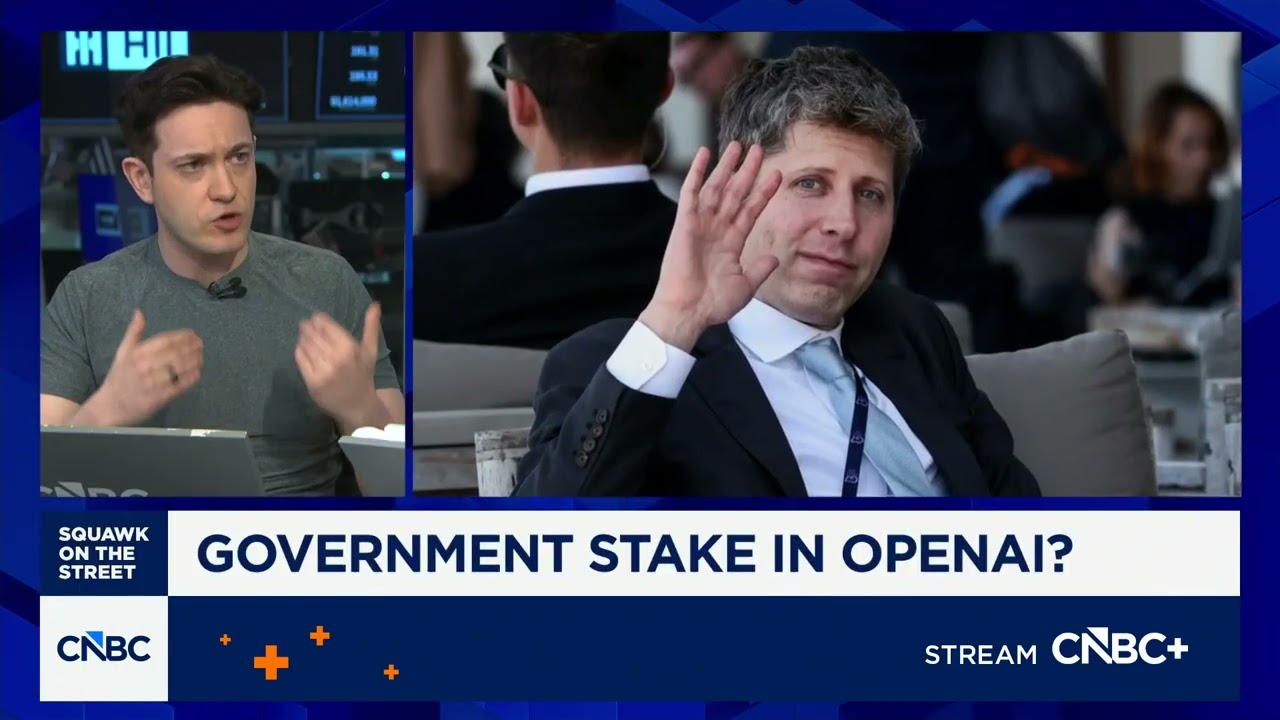
Ed Zitron pushed the hardest business-model critique. His CNBC segment reached 554,585 views, 9,863 likes, and 2,200 comments while arguing that generative AI does not work and that big tech is out of hypergrowth ideas. The distinctive angle is that the criticism was not only about safety. It was about whether the category can justify the scale of money and narrative around it (video).

Siliconversations kept the control story anchored in a concrete product example. Its 11-minute video reached 82,068 views, 11,269 likes, and 1,200 comments, and Anthropic's linked Project Glasswing page says Claude Mythos Preview identified thousands of zero-day vulnerabilities across major operating systems and browsers, often autonomously. The distinctive angle is that even the most bullish defender story still came packaged with restrictions, access controls, and a strong sense that frontier capability needs containment (video).
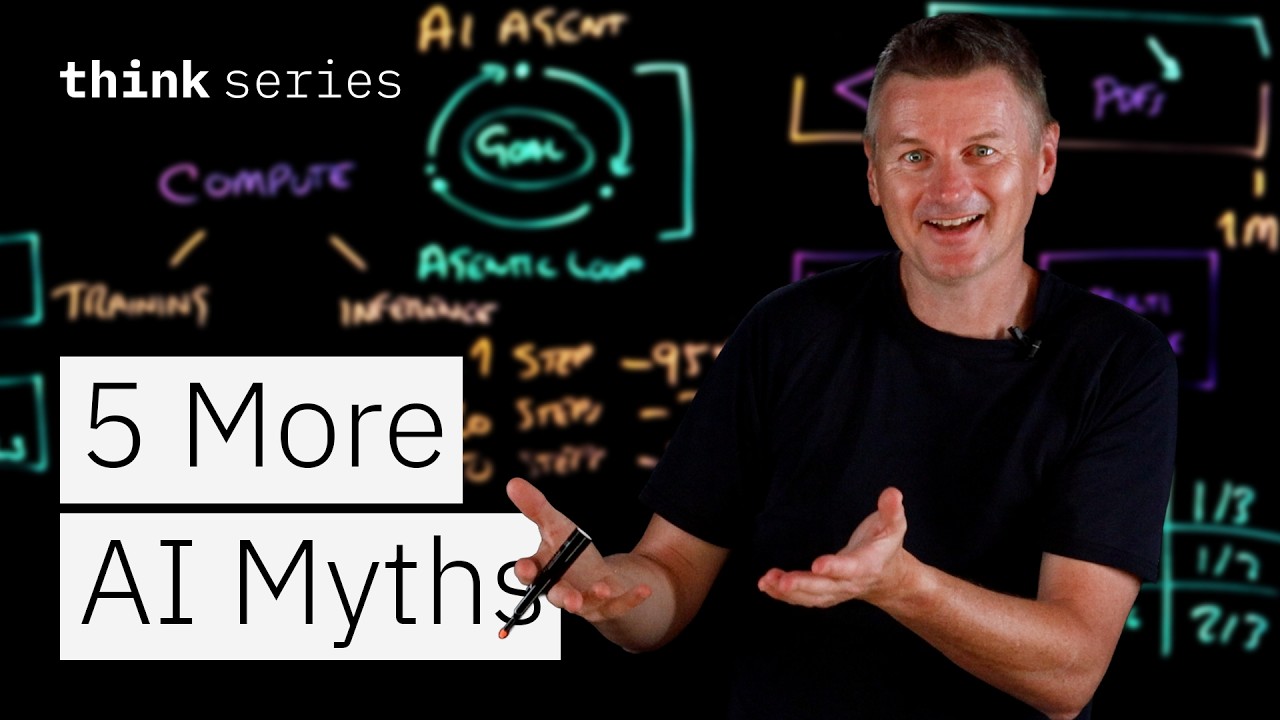
IBM Technology added the clearest educational corrective. Its 14-minute explainer reached 7,342 views and says people still misunderstand context windows, reasoning, and reliability. The distinctive angle is that "AI trust" was being attacked from the basics upward: not only "is it dangerous?" but also "are we describing what it does honestly?" (video).
Discussion insight: The trust split widened. One camp wants better brakes, oversight, and defensive deployment. Another camp doubts the commercial and conceptual story at a more fundamental level.
Comparison to prior day: Compared with 2026-07-13's primarily existential-risk framing, 2026-07-14 turned "can we control it?" into the broader question of "can we trust the claims at all?"
1.2 Agentic model competition centered on deployability and operational mechanics 🡕
Three items supported this theme. Compared with 2026-07-13's chip-and-interconnect story, 2026-07-14 zoomed in on which models and serving strategies actually make agents usable in production.

Matt Wolfe supplied the clearest route-planning example. His 29-minute video reached 86,281 views, 2,518 likes, and 238 comments, and the description presents GLM-5.2 as a 1 million token, MIT-licensed open-weight model that can be used through a hosted app, an API and agent harness, or self-hosting. The distinctive angle is that model value was framed through access paths, cost, and coding fit rather than through leaderboard talk alone (video).

WorldofAI pushed the comparison race toward agentic work. Its 17-minute video reached 19,981 views, and Meta's linked Muse Spark 1.1 launch post says the model is built for coding, computer use, multimodal reasoning, MCP servers, custom skills, and a 1 million token context window, with public-preview access through the Meta Model API. The distinctive angle is that "frontier" here meant orchestration and end-to-end workflow execution, not just raw model IQ (video).

IBM Technology made serving mechanics part of the mainstream AI conversation. Its 11-minute explainer reached 87,444 views, 2,912 likes, and 174 comments, and IBM's linked LLM inference page explains the prefill/decode split, KV cache, and why vLLM-style serving improves latency, throughput, and GPU memory efficiency. The distinctive angle is that operational mechanics themselves were being treated as a first-order product question (video).
Discussion insight: Performance claims are being judged through routing, tool use, context management, and serving economics, not just benchmark leaderboards.
Comparison to prior day: Compared with 2026-07-13's broader infrastructure competition story, 2026-07-14 focused more tightly on whether agentic models are deployable and cheap enough to matter.
1.3 Creator AI kept moving from "free" toward controllable production systems 🡕
Three items supported this theme. Compared with 2026-07-13's free-tier obsession, 2026-07-14 supplied more concrete evidence around motion control, reference preservation, and real-time steering.
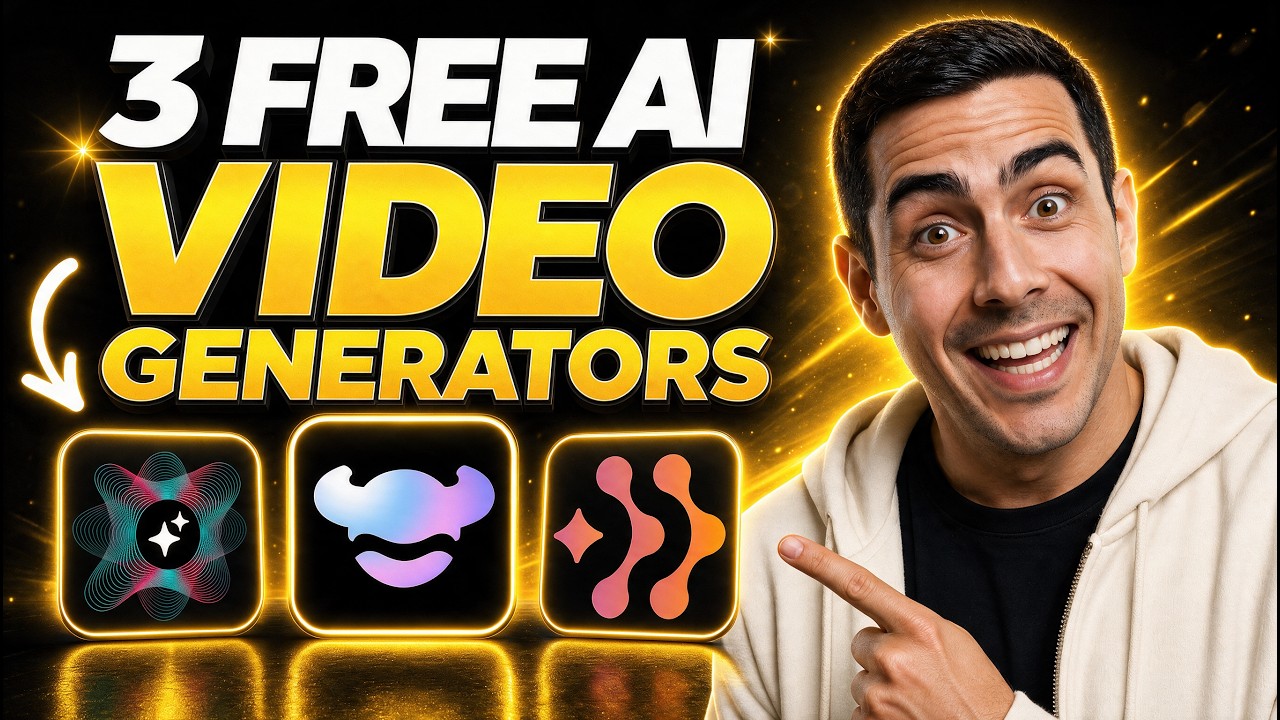
Malva AI remained the strongest reach signal in creator tooling. Its 12-minute video reached 67,802 views, 2,023 likes, and 163 comments while testing three supposedly free generators, a zero-credit route, 200+ free videos a week, and Gemini Omni Flash editing inside Higgsfield. The distinctive angle is that creator value still starts with price, but the useful part of the workflow is the editing depth that follows (video).

Theoretically Media added the clearest builder move. Its 21-minute video reached 30,332 views, 1,438 likes, and 186 comments while testing Muse Image and Muse Video, and the description says the creator's TheoreticallyMotion Control tool turns footage into OpenPose skeletons and depth maps for precise motion control in Seedance, Runway, and other video-reference workflows. The distinctive angle is that the creator did not just review tools. He built workflow glue to make them steerable (video).

Stefan 3D AI pushed the control story into real-time animation. Its 6-minute demo reached 3,718 views, and NVIDIA's linked ARDY page describes an autoregressive diffusion system for interactive motion generation with text prompts, sparse kinematic constraints, and long-horizon goals. The distinctive angle is that the workflow now looks like steering, not rerolling, even if the setup still wants roughly 20GB of VRAM (video).
Discussion insight: Creators still react strongly to free access, but the durable value is increasingly in preserving motion, pose, and partial edits when switching between tools.
Comparison to prior day: Compared with 2026-07-13's price-sensitive creator story, 2026-07-14 offered more concrete control surfaces and more builder-created workflow glue.
1.4 Robotics widened from dexterity talk to social deployment questions 🡕
Three items supported this theme. Compared with 2026-07-13's hand-and-tactile-data bottleneck story, 2026-07-14 kept dexterity in focus but added loneliness, pricing, and household adoption.

Al Jazeera English supplied the broadest social framing. Its 3-minute segment reached 22,905 views, 214 likes, and 114 comments, and the description says Chinese companion robots pitched around loneliness have already received more than 13,000 orders and are sold as providing "unconditional love." The distinctive angle is that robotics was not only about lab capability. It was about emotional and domestic positioning (video).

PRO ROBOTS kept the technical bottleneck explicit. Its 30-minute video reached 26,823 views, 796 likes, and 61 comments, and the official Wuji page describes WUJI Hand 2 as a 20-active-DOF robotic hand while the video pairs it with a data-collection glove to attack embodied-AI data scarcity. The distinctive angle is that better hands are still being presented as the gateway to better training data, not merely better demos (video).

AI News added the most consumer-style framing. Its roundup reached 9,305 views, and 1X's linked NEO hands page says the new tendon-driven hands have 25 degrees of freedom, force transparency, tactile sensing, and enough capability to remove the hardware ceiling on many tasks. The distinctive angle is that the video adds public pricing language: a $20,000 robot or a $499/month rental, which makes the robotics conversation sound more like a product category than a research frontier (video).
Discussion insight: The repeated claim is still that hands and touch matter, but the surrounding question is now whether people will actually invite these systems into emotional and domestic roles.
Comparison to prior day: Compared with 2026-07-13's focus on robotic hands as the technical frontier, 2026-07-14 broadened the story into adoption, trust, and everyday use.
1.5 Practical AI engineering stayed compositional: retrieval, verification, and local control 🡒
Three items supported this theme. Compared with 2026-07-13's assistant-stack framing, 2026-07-14 showed builders still assembling their own grounded application layers instead of trusting a single assistant.

Web Dev Simplified provided the strongest builder tutorial. Its 3-hour video reached 5,728 views, 315 likes, and 30 comments, and the description walks through a full RAG build with Drizzle, Neon, BetterAuth, Vercel Workflows, CodeRabbit, YouTube ingestion, and rate limiting. The distinctive angle is that "AI app building" was being taught as production application engineering, not as a thin prompt wrapper (video).
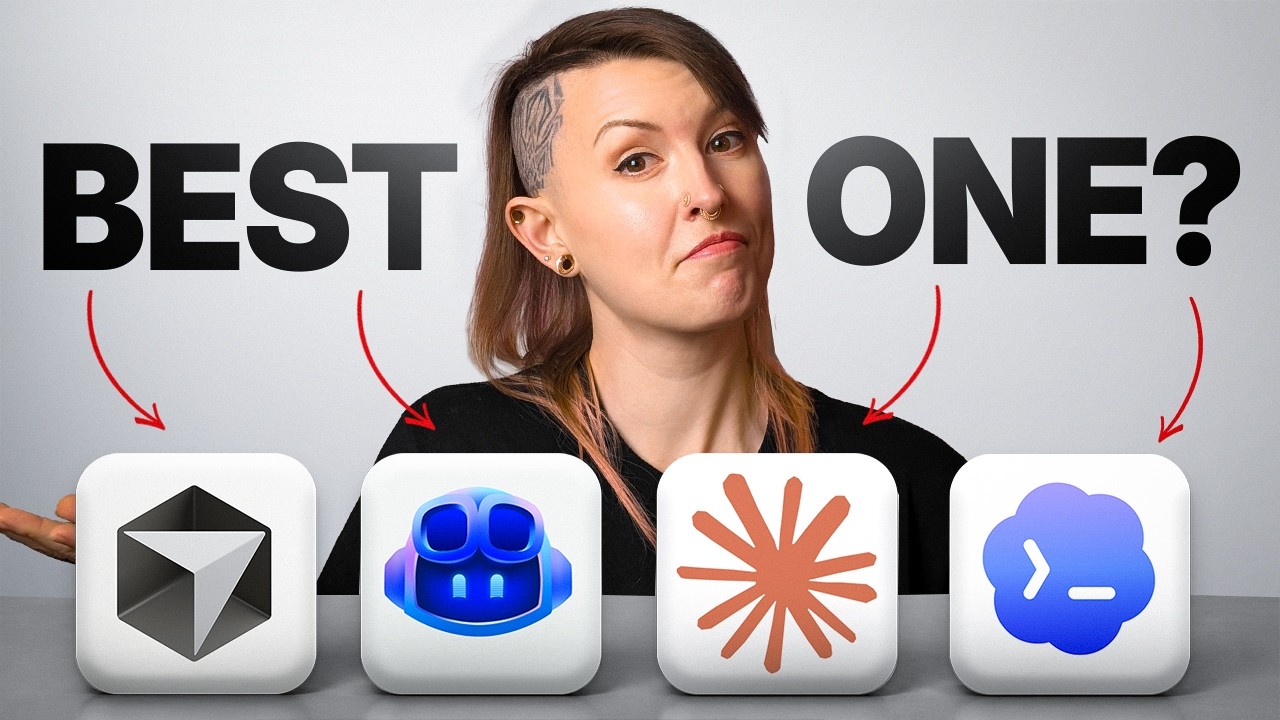
Marina Wyss - AI & Machine Learning pushed the clearest verification-first workflow. Her 11-minute video reached 13,147 views, 299 likes, and 22 comments, and Sonar's linked SonarQube plugin page says it applies 7,500+ rules, secrets scanning, and PostToolUse analysis after every file edit inside Claude Code. The distinctive angle is that tool choice was framed as a verification and cost-control problem, not as a fandom contest (video).

Code with Beto supplied the strongest privacy-first example. His 17-minute video reached 12,292 views, and the description says he used Qwen3.6 27B with LM Studio, MLX, and opencode to build real features fully offline and stress-tested the stack with 31 tool calls on a real codebase. The distinctive angle is that the fallback for trust and cost concerns is still to move more of the workflow local (video).
Discussion insight: Builders are converging on the same answer from three directions: ground the app, verify the output, and keep optional local execution available.
Comparison to prior day: Compared with 2026-07-13's emphasis on picking the right assistant wrapper, 2026-07-14 showed the real workflow still lives in stitched-together infrastructure and verification layers.
2. What Frustrates People
AI claims still feel bigger than the evidence
This is High severity. The Diary Of A CEO, Ed Zitron, Siliconversations, and IBM Technology all point to the same trust gap from different angles: people are hearing huge claims about superintelligence, economics, reasoning, and safety, but they do not feel the category is being described in grounded, testable language. The workaround split is visible in the videos themselves: some argue for tighter access and stronger brakes, while others argue the hype cycle itself is broken. This is directly worth building for.
Agentic stacks still demand too much verification and systems knowledge
This is High severity. Matt Wolfe, IBM Technology, Web Dev Simplified, Marina Wyss - AI & Machine Learning, and Code with Beto all show the same burden: users still have to choose routes, wire serving layers, add retrieval, manage costs, and bolt on verification before an AI workflow feels production-safe. The workaround is to keep composite stacks alive: RAG plus code review, hosted models plus local models, and verification plugins inside the editing loop. This is directly worth building for.
Creator AI still breaks on pricing, credits, and control transfer
This is High severity. Malva AI, Theoretically Media, and Stefan 3D AI show creators constantly adapting to shifting free tiers, limited credits, and tools that lose control as soon as a prompt leaves the box. The workaround is to jump between free routes, build custom pose-and-depth layers, or rent cloud GPUs when local hardware is not enough. This is worth building for, but the market is already competitive.
Humanoid AI still faces a trust gap between demos and daily life
This is Medium-to-High severity. Al Jazeera English, PRO ROBOTS, and AI News all show that robotics still has two unresolved problems at once: hands and tactile data remain a hard engineering bottleneck, and social-deployment pitches around companionship introduce a separate trust problem. The workaround is hardware-heavy: better hands, better sensing, more data capture, and cautious pricing or rental models. This is worth building for, but the operational and safety burden is higher than in the software-only opportunities.
3. What People Wish Existed
Honest capability and verification layer for AI work
The Diary Of A CEO, Ed Zitron, IBM Technology, and Marina Wyss - AI & Machine Learning all imply demand for a layer that can distinguish polished language from grounded capability, expose failure modes, and verify outputs before teams commit to them. This is a practical need with High urgency because the trust problem now spans safety rhetoric, business claims, and day-to-day coding. SonarQube-style analysis partially addresses the code case today, but not the broader capability-trust gap. Opportunity: direct.
Infra-aware agent router with cost, context, and serving visibility
Matt Wolfe, IBM Technology, and WorldofAI all imply a need for tooling that compares model quality, context handling, serving costs, latency tradeoffs, and workflow fit in one surface. This is a practical need with High urgency because model selection is increasingly inseparable from deployment mechanics. GLM-5.2 access routes, Muse Spark's Model API, and vLLM-style serving explain pieces of the stack today, but users still stitch the full picture together themselves. Opportunity: direct.
Portable creator control layer that survives tool switching
Malva AI, Theoretically Media, and Stefan 3D AI all imply a need for a creator layer that preserves motion, pose, references, and partial edits while moving across suites. This is a practical need with High urgency for creators because the category is moving quickly but still makes users rebuild control from scratch. TheoreticallyMotion Control and ARDY show partial solutions today. Opportunity: competitive.
Private coding workbench with grounding and always-on review
Web Dev Simplified, Marina Wyss - AI & Machine Learning, and Code with Beto imply demand for a workbench that keeps retrieval, verification, permissions, and local execution visible while still shipping useful automation. This is a practical need with High urgency because people clearly want AI leverage without losing privacy or code quality. Local stacks and verification plugins solve pieces of it today, but the assembly cost remains high. Opportunity: direct.
Dexterity-and-trust platform for household robots
Al Jazeera English, PRO ROBOTS, and AI News imply a need for one platform that combines capable hands, tactile data capture, pricing clarity, and trust scaffolding for social or domestic deployment. This is a practical and emotional need with Medium urgency in the public evidence because demand is visible, but the category is still early and hardware-intensive. WUJI Hand 2 and 1X NEO hands solve the dexterity side more than the social trust side today. Opportunity: aspirational.
4. Tools and Methods in Use
| Tool | Category | Sentiment | Strengths | Limitations |
|---|---|---|---|---|
| Claude Mythos Preview / Project Glasswing | Defensive AI security | (+/-) | Concrete autonomous vulnerability discovery, strong urgency signal, defender-first deployment | Restricted access, obvious dual-use risk, heavy policy constraints |
| GLM-5.2 / GLM Coding Plan | Open-weight coding model | (+/-) | 1 million token context, lower-cost coding routes, hosted/API/self-host flexibility | Quality varies by task and route choice still carries infrastructure burden |
| Muse Spark 1.1 / Meta Model API | Agentic foundation model | (+/-) | Strong coding and computer-use story, long context, MCP/custom skill support, public-preview API | Still preview-stage, benchmark claims remain contested, vendor ecosystem lock-in risk |
| KV cache + paged attention / vLLM-style serving | Inference method | (+) | Better latency, throughput, and memory efficiency; clearer operational mental model | Still infrastructure-heavy and dependent on GPU expertise |
| WOAIBench | Evaluation harness | (+) | Tests full web apps, research tasks, and exact instruction following on real workloads | Creator-run and not yet a broad enterprise-standard benchmark suite |
| Qwen3.6 27B + LM Studio + MLX + opencode | Local coding stack | (+) | Fully offline workflow, privacy, no subscription, real tool use on local hardware | Manual setup and meaningful hardware requirements |
| SonarQube plugin for Claude Code | Verification layer | (+) | 7,500+ rules, secrets scanning, post-edit analysis, quality gates inside the terminal | Requires a SonarQube instance and does not replace human product judgment |
| Higgsfield / Gemini Omni Flash | Creator editing suite | (+/-) | Prompt-driven video editing, reusable workflow surface, strong free-route appeal | Free access is unstable and the category is crowded and fast-moving |
| TheoreticallyMotion Control | Motion-control workflow | (+/-) | Precise pose and depth control portable across video-reference tools | Still depends on downstream generators and creator-side glue |
| ARDY | Real-time animation model | (+/-) | Interactive motion generation, text and waypoint control, open research release | Research-stage workflow and roughly 20GB VRAM requirement |
| WUJI Hand 2 | Robotics hand platform | (+/-) | 20 active DOFs, glove-based data collection, clear dexterity focus | Hardware-heavy integration and continued data bottlenecks |
| 1X NEO hands | Humanoid hardware | (+/-) | 25 DOF, force transparency, tactile sensing, strong platform narrative | Expensive early deployment and unresolved trust or use-case questions |
The strongest positive sentiment clustered around tools that increase operator control: verification plugins, local coding stacks, evaluation harnesses, and concrete serving techniques. Sentiment turned mixed whenever value depended on preview access, heavy infrastructure, or difficult hardware integration, which is why Muse Spark, GLM-5.2, creator suites, and robotics hands all looked promising but not settled.
The main workaround pattern was composition. People keep multiple model routes alive, add verification after each edit, push sensitive work onto local stacks, preserve creator control through custom workflow layers, and treat serving mechanics as part of product design. Migration pressure is visible in four directions: from generic benchmark talk toward workload-specific evals, from one-shot generation toward controllable editing, from cloud-default coding toward privacy-first local options, and from flashy robot demos toward hands, sensing, and data capture.
5. What People Are Building
| Project | Who built it | What it does | Problem it solves | Stack | Stage | Links |
|---|---|---|---|---|---|---|
| GLM Coding Plan | Z.ai | Coding-focused route to GLM-5.2 and GLM-5-Turbo through hosted, API, self-hosted, and agent-harness paths | Teams want lower-cost long-context agent routes without committing to a single deployment model | GLM-5.2, GLM-5-Turbo, hosted app, API, self-hosting, agent harness | Shipped | site, video |
| WOAIBench | WorldofAI | Benchmark harness for real tasks such as full web interfaces, multi-step workflows, and exact instruction following | Teams do not trust frontier-model marketing without testing on their own workloads | Evaluation harness, real-task suites, coding and agentic benchmarks | Beta | site, video |
| TheoreticallyMotion Control | Theoretically Media | Free pose-and-depth motion-control tool for video-to-video AI workflows | Creators need repeatable motion and partial-edit control across generator suites | OpenPose skeletons, depth maps, video-reference workflows | Beta | tool, video |
| ARDY | NVIDIA Research | Interactive motion-generation system for controllable real-time character animation | AI animation is usually too batch-oriented and too hard to steer live | Autoregressive diffusion, hybrid motion representation, two-stage transformer | Alpha | site, video |
| video-blog-suggester-yt | Web Dev Simplified | Production-style RAG application that ingests blog articles and YouTube videos | Teams need grounded answers from their own corpora rather than generic chat outputs | Drizzle, Neon, BetterAuth, Vercel Workflows, CodeRabbit, YouTube ingestion | Alpha | repo, video |
| WUJI Hand 2 | Wuji Technology | 20-DOF robotic hand plus glove-oriented data-capture path for embodied AI | Humanoid systems still lack dexterity and enough manipulation data | 20 active DOFs, sensor glove, tactile robotics hardware | Beta | site, video |
| Muse Spark 1.1 / Meta Model API | Meta Superintelligence Labs | Multimodal reasoning model and developer API for coding, computer use, and long-context agent workflows | Developers want one agentic foundation that can orchestrate end-to-end workflows | 1 million token context, multimodal reasoning, parallel subagents, Model API | Beta | site, video |
GLM Coding Plan, WOAIBench, Muse Spark 1.1, and Web Dev Simplified's RAG build all point to the same builder pattern: the differentiated product is the wrapper around the model. The value is in routing, evaluation, grounding, and workflow fit rather than in raw model weights alone.
TheoreticallyMotion Control and ARDY show the creator-side equivalent: more of the value is moving into controllability, reusable structure, and live steering rather than into one-shot generation. WUJI Hand 2 shows the hardware version of the same instinct. The interface to the physical world, and the data it produces, matter more than abstract intelligence slogans.
6. New and Notable
CNBC-scale AI backlash became a real YouTube reach signal
Ed Zitron is notable because a 554,585-view CNBC segment argued that generative AI does not work and that big tech is out of hypergrowth ideas. That is a different kind of mainstream signal than a benchmark launch or a safety interview: it is a public challenge to the business premise.
Meta pushed agentic competition into public-preview API territory
WorldofAI is notable because the linked Muse Spark 1.1 launch post frames the model around coding, computer use, multimodal reasoning, MCP/custom skills, and a 1 million token context window, all tied to a public-preview Model API. That makes the competition feel less like a paper race and more like a developer-platform race.
Real-time controllable animation looked materially closer
Stefan 3D AI is notable because the linked ARDY project is not just another text-to-video demo. It is an interactive motion system with live text, waypoint, and keyboard control, which is a much stronger signal for usable animation workflows.
Companion robots crossed into explicit loneliness marketing
Al Jazeera English is notable because the video frames humanoid robots around loneliness, "unconditional love," and 13,000+ orders rather than around warehouse labor or research milestones. That is a social-deployment signal, not just a technical one.
Production RAG and verification are now being taught as core AI engineering
Web Dev Simplified and Marina Wyss - AI & Machine Learning are notable together because one teaches a multi-hour production RAG build and the other pushes always-on verification inside Claude Code. That combination suggests the practical AI-engineering curriculum is now grounding plus review, not prompt tricks.
7. Where the Opportunities Are
[+++] Verification-first AI workbench - Ed Zitron, IBM Technology, Marina Wyss - AI & Machine Learning, Web Dev Simplified, and Code with Beto all point to the same missing layer: users want grounding, review, cost visibility, and optional local execution in one place. This is strong because the need appears in both critique content and builder content.
[+++] Portable control layer for AI video and animation - Malva AI, Theoretically Media, and Stefan 3D AI show repeated demand for systems that preserve motion, pose, and partial edits across tools. This is strong because creators are already improvising their own glue to solve it.
[++] Agent route planner for model, context, and serving tradeoffs - Matt Wolfe, IBM Technology, and WorldofAI show model choice collapsing into a combined problem of price, context length, tool use, latency, and deployment route. This is moderate because the pain is obvious, but the buyers are still relatively sophisticated.
[++] Workload-grounded evaluation harness - Ed Zitron, WorldofAI, and Marina Wyss - AI & Machine Learning show a market that increasingly doubts generic benchmark language and wants real-task evidence instead. This is moderate because the need is strong, but benchmark markets are crowded unless the harness is tightly tied to workflow decisions.
[+] Trust-and-dexterity layer for household robots - Al Jazeera English, PRO ROBOTS, and AI News point to the same gap: robotics needs better hands and better trust scaffolding at the same time. This is emerging because the signal is visible, but the hardware and social-deployment burden are both heavy.
8. Takeaways
- The biggest change on 2026-07-14 was that AI distrust widened beyond safety into a broader trust crisis. A 2,117,178-view Diary Of A CEO interview kept catastrophic risk in the foreground, while a 554,585-view CNBC segment argued the business story itself is broken. (source, source)
- Agentic model competition is being judged through deployability, not just benchmarks. GLM-5.2's multiple access routes, Muse Spark 1.1's public-preview Model API, and IBM's KV-cache explainer all point to the same question: can this model actually run useful workflows at the right cost and latency? (source, source, source)
- Creator AI is differentiating on control surfaces more than on raw generation. Malva AI's free-route comparison, Theoretically Media's pose-and-depth tool, and NVIDIA ARDY's live steering all show creators looking for systems they can keep directing after generation starts. (source, source, source)
- Robotics discussion is moving from lab dexterity into household and social positioning. Companion robots marketed around loneliness, WUJI's glove-driven dexterity story, and 1X's pricing-and-platform framing all make the category sound closer to a product market, even though the hard technical bottlenecks remain at the fingertips. (source, source, source)
- Practical AI engineering still means stitching grounding, verification, and local execution together. Web Dev Simplified's RAG build, Marina Wyss's Sonar-backed review loop, and Code with Beto's local-agent workflow all show that serious users still assemble their own trust stack instead of relying on a single assistant surface. (source, source, source)