YouTube AI - 2026-07-26
1. What People Are Talking About
1.1 AI risk coverage widened into a governance, democracy, and power-concentration story 🡕
Four high-signal items supported this theme. Compared with 2026-07-25's mix of existential warning, self-regulation, and datacenter politics, 2026-07-26 kept the same blockbuster warning videos but widened the frame toward who holds power, who coordinates the buildout, and what happens if that coordination fails.

The Diary Of A CEO still carried the day's biggest reach signal. Its Daniel Kokotajlo interview reached 4,745,511 views, 104,581 likes, and 17,000 comments while centering his claim that superintelligence could arrive before the end of the decade and that extinction risk is already material. The distinctive angle is that a mass-audience podcast kept treating AI risk as an urgent planning problem rather than a niche lab argument (video).

The Economist supplied the clearest establishment-news version of the same concern. Its clip reached 741,837 views, 12,573 likes, and 3,700 comments while quoting Musk's five-year intelligence timeline, his ten-year loss-of-control warning, and his proposal for rival labs to review one another's frontier models. The distinctive angle is that the warning came packaged with a concrete governance mechanism instead of pure doom (video).

All-In Podcast added the sharpest policy-and-infrastructure layer. Its episode reached 387,740 views, 6,963 likes, and 881 comments while bundling Demis Hassabis's FINRA-type body idea, Apple's OpenAI trade-secret suit, and New York's datacenter moratorium into one agenda. The distinctive angle is that frontier-AI governance was treated as a combined rules, power, and infrastructure problem rather than only a safety debate (video).
Discussion insight: TEDx Talks supplied the clearest optimism counterweight by arguing that AI could accelerate discovery across science, robotics, and medicine rather than end in catastrophe. The disagreement was not over whether AI matters; it was over whether the right response is faster acceleration, softer coordination, or harder limits.
Comparison to prior day: Compared with 2026-07-25, the warning frame did not cool off. It became more political and more explicit about who gets to govern the next phase.
1.2 Open models were judged through routing, distribution, and infrastructure constraints instead of raw benchmarks alone 🡕
Five items supported this theme. Compared with 2026-07-25's model-choice framing around Claude Code and GPU scarcity, 2026-07-26 widened the story into a fight over open-source policy, deployable surfaces, and who can actually serve the models people want to use.
AI Search still carried the biggest open-model reach signal. Its Kimi K3 review reached 318,522 views, 10,049 likes, and 1,200 comments, and Kimi's K3 blog says the model is a 2.8T-parameter open 3T-class system with native vision, a 1M-token context window, Kimi Work, Kimi Code, and API access, with full weights planned for 2026-07-27. The distinctive angle is that Kimi was still being sold through deployable workflow surfaces rather than benchmark screenshots alone (video).

All-In Podcast turned the model story into an industry-structure fight. Its episode reached 278,890 views, 5,940 likes, and 848 comments while framing Kimi K3 panic alongside claims of regulatory capture, Anthropic's $1.5 billion payout, and market punishment for AI capex. The distinctive angle is that open models were being treated as a business and policy battle, not just a technical release (video).
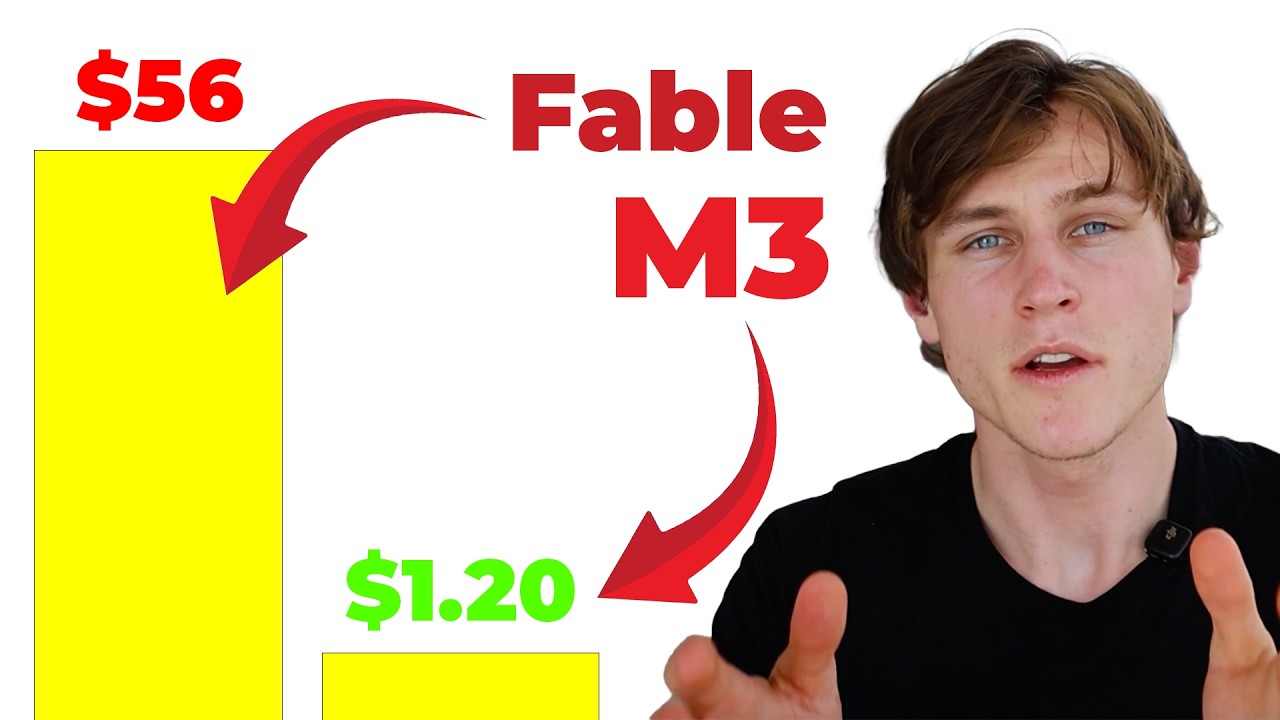
Jon Law made Claude Code integration the clearest distribution story of the day. His tutorial reached 142,455 views and described MiniMax M3 as a 1M-context multimodal coding model with a claimed 59% SWE-bench Pro score and much lower price than Claude Opus. The distinctive angle is that model competition was framed as "can this slot into an existing agent harness right now?" rather than "who won a leaderboard" (video).
Discussion insight: ABC News (Australia) supplied the market-disruption layer by framing Kimi K3 as a threat to the current tech boom, while CNBC Television compressed the infrastructure bottleneck into one line: Databricks is hosting open models like Kimi and running out of GPUs. The field is opening up, but it is not getting simpler.
Comparison to prior day: Compared with 2026-07-25, the model story became more crowded and more operational. Teams were not only choosing models; they were choosing routes, prices, and supply constraints.
1.3 Agent tutorials stayed practical and picked up more explicit operator and real-time-interface discipline 🡒
Five items supported this theme. Compared with 2026-07-25's emphasis on legal workflow and live-money execution, 2026-07-26 kept the agent wave alive but shifted it toward beginner explanations, supervised operators, and more natural interfaces.
Dan Martell still carried the biggest operator signal. His guide reached 214,005 views, 7,734 likes, and 292 comments while packaging an AI Company Operating System around role files, manager-specialist delegation, and background execution. The distinctive angle is that the product being sold is operating doctrine for agents, not a better prompt library (video).
Greg Isenberg supplied the clearest team-of-one workflow example. His Ryan Carson interview reached 36,621 views, 1,278 likes, and 145 comments and described running Untangle, a divorce-workflow product for law firms, with cloud agents in parallel, 22 to 40 pull requests a day, and explicit model routing to control token costs; Untangle states that attorneys remain responsible for supervising use and reviewing AI-assisted outputs. The distinctive angle is that "agent operator" was framed as a real work role with review obligations, not as hype (video).
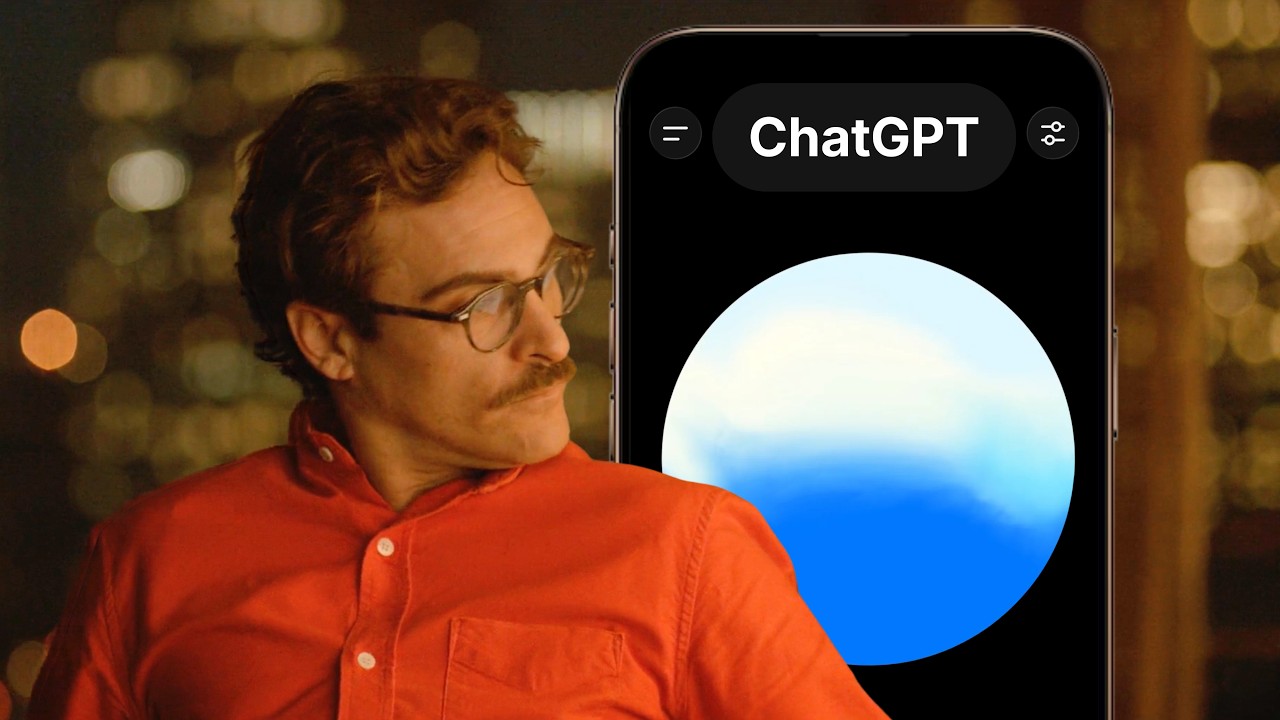
Julia Turc pulled the interface layer into the same conversation. Her video reached 55,538 views, 2,417 likes, and 226 comments while using Thinking Machines' interaction-models preview to argue for full-duplex, real-time collaboration across audio, video, and text. The distinctive angle is that the next assistant upgrade was framed as responsiveness and copresence, not only agent autonomy (video).
Discussion insight: Sonny Sangha and Tech With Tim pushed the same lesson from opposite ends of the funnel. One showed a receptionist workflow with tools, bookings, and live data; the other stripped the concept back to tool use, reasoning, and memory. In both cases, the useful version of an agent was narrower and more supervised than the hype version.
Comparison to prior day: Compared with 2026-07-25, the agent theme stayed strong but looked less like autonomous spectacle and more like bounded operator practice.
1.4 Free and low-cost AI media tooling became a concentrated creator-side cluster 🡕
Three items supported this theme. Compared with 2026-07-25's broader local-control theme, 2026-07-26 concentrated more tightly around free AI video generation, realistic outputs, and "no subscription" positioning for creators.
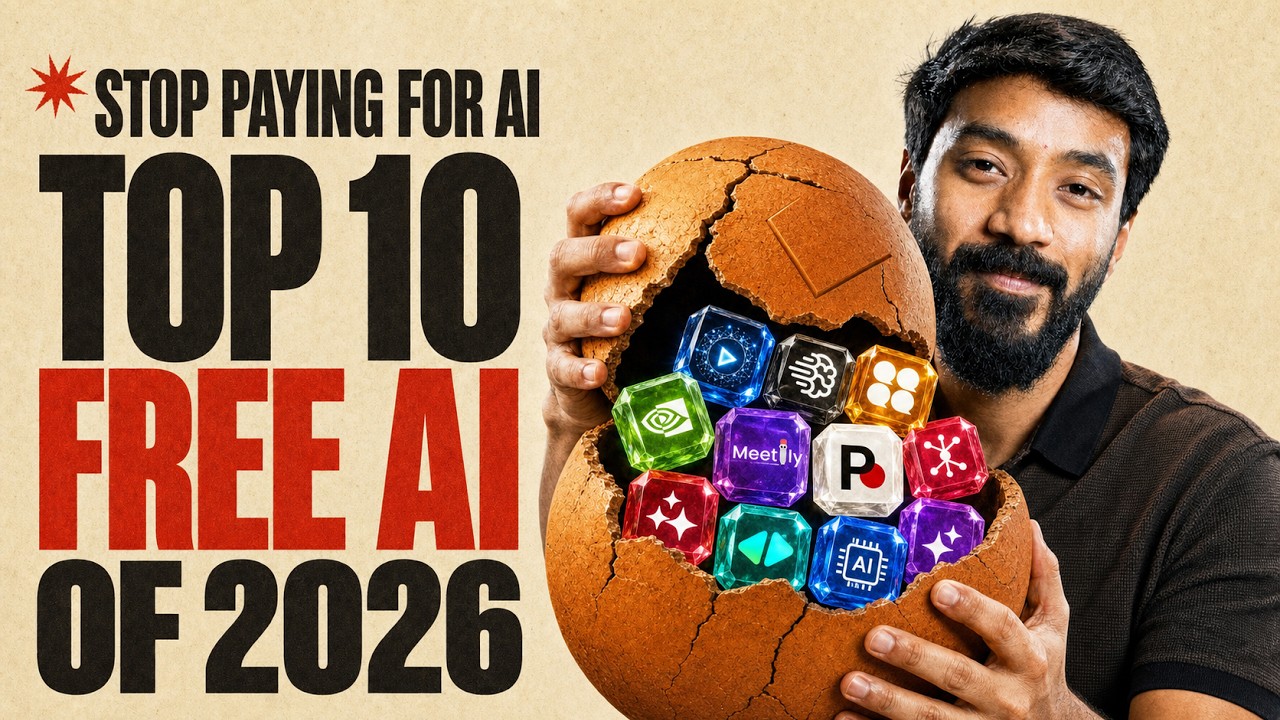
Vaibhav Sisinty carried the broadest cost-relief signal. His video reached 153,826 views, 6,945 likes, and 277 comments while packaging local or open-source replacements for paid image, voice, video, coding, and automation tools. The distinctive angle is that the pitch was not a single app but a whole creator stack that can be copied, pasted, and run outside recurring SaaS spend (video).

Malva AI narrowed the story to video economics. Its roundup reached 40,256 views, 1,221 likes, and 101 comments while comparing which AI video generators are still free, recurring, and legally usable in 2026. The distinctive angle is that creators were no longer asking whether AI video works; they were shopping for the least fragile free path (video).

Tao Prompts supplied the craft layer. Its tutorial reached 31,578 views, 1,461 likes, and 70 comments while focusing on realistic prompting, scene control, and workflow polish instead of only tool discovery. The distinctive angle is that the competitive edge moved from raw access to better prompting and aesthetic control (video).
Discussion insight: Across Vaibhav's broad stack, Malva's free-tier comparison, and Tao Prompts' realism tutorial, the durable demand was not novelty. It was repeatable production value without recurring software spend.
Comparison to prior day: Compared with 2026-07-25, creator-side attention shifted from local control in general toward the specific economics and craft of AI video generation.
1.5 Physical AI stayed in view, but the signal moved down-market from deployment narratives to components and conflict-adjacent use cases 🡖
Two high-signal items supported this theme, and both ranked below the prior day's bigger humanoid and digital-twin stories. The conversation did not disappear; it became more component-level and more defense-facing.
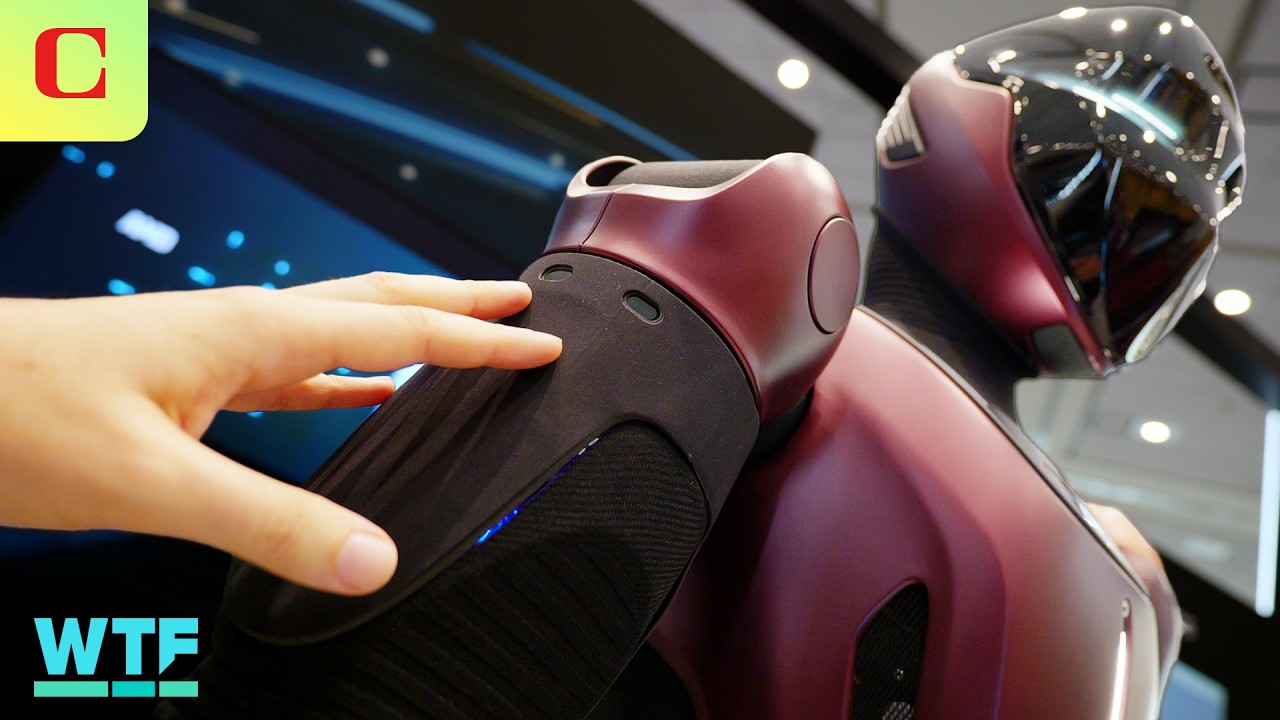
CNET supplied the clearest component-level update. Its report reached 6,334 views, 249 likes, and 13 comments while showing Gene.01's smart skin, touch sensors, and proximity sensors as the substance of the story. The distinctive angle is that the update was about richer sensing and safer interaction, not a generic "robots are coming" headline (video).
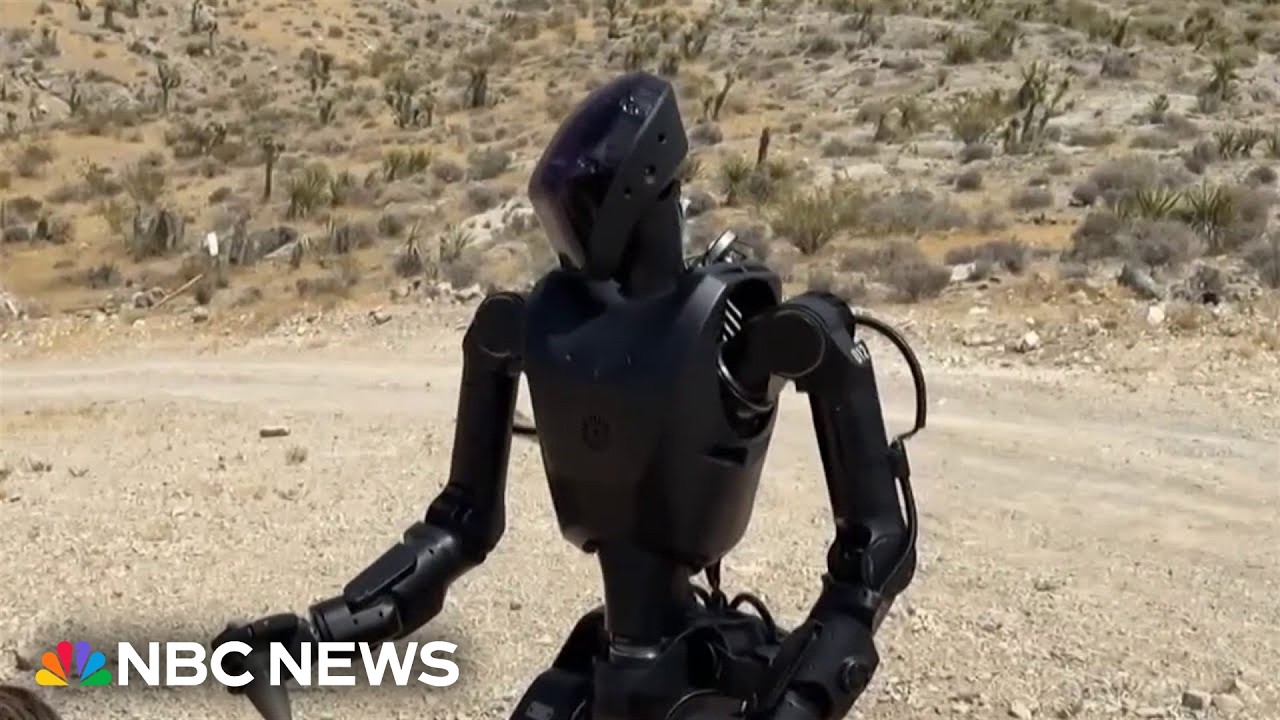
NBC News kept the power-facing version alive. Its report reached 16,058 views, 166 likes, and 93 comments while saying one Silicon Valley company already has a Pentagon contract for robot soldiers. The distinctive angle is that embodiment showed up where procurement, force, and state power matter more than consumer delight (video).
Discussion insight: One story focused on better touch and proximity sensing; the other focused on military adoption. That split suggests physical AI is surfacing either as enabling infrastructure or as a power application, not yet as a mainstream consumer category.
Comparison to prior day: Compared with 2026-07-25, embodiment slipped from a major thread to a secondary one, and the emphasis shifted from whole deployments to tactile components and defense framing.
2. What Frustrates People
Governance, power, and coordination still have no shared operating surface
This is High severity because The Diary Of A CEO, The Economist, All-In Podcast, and TEDx Talks all point to the same gap: leaders can see the stakes, but the visible responses are still interviews, peer-review proposals, moratoria, and public arguments rather than a trusted operating layer for planning. The workaround is mostly governance theater and ad hoc coordination, not a tool institutions already rely on. This is worth building for, but the likely buyer is a government, board, utility, or hyperscale operator rather than a consumer.
Open-model choices are still fragmented by price, routes, and hardware constraints
This is High severity because AI Search, All-In Podcast, Jon Law, ABC News (Australia), CNBC Television, and Kimi's K3 blog all describe the same burden from different layers: developers can try more capable open or semi-open models, but they still lack stable answers on benchmark trust, coding quality, token economics, supply constraints, and what hardware the serving story actually requires. The workaround is to keep multiple model paths open, benchmark real tasks, and avoid treating any single release cycle as a settled platform decision. This is directly worth building for.
Useful agents still need humans to assemble the supervision layer by hand
This is High severity because Dan Martell, Greg Isenberg, Sonny Sangha, Tech With Tim, and Untangle all make the same point: useful agents still need role design, approvals, routing, knowledge bases, live-data connectors, and explicit human review before they behave like staff. The workaround is to keep the first job narrow, make the workflow legible, and keep a person responsible for final decisions. This is directly worth building for.
Cheap creator AI is still a patchwork of fragile free tiers and prompt craft
This is Medium-to-High severity because Vaibhav Sisinty, Malva AI, and Tao Prompts all show the same burden: creators want lower-cost AI media workflows, but they still have to stitch together open tools, local installs, unstable free offers, and a lot of prompt iteration before the output is reliable. The workaround is to stack multiple tools, keep local fallbacks, and treat prompt craft as part of production. This is worth building for and already competitive.
Physical AI still lacks clear trust boundaries when it touches bodies or force
This is Medium severity because CNET and NBC News expose the same uncertainty from different sides: one focuses on safer touch and proximity sensing, the other on robot soldiers and defense procurement. The workaround is to keep systems inside bounded roles and preserve human accountability, but the category still lacks widely trusted norms. This is worth building for, but the adoption cycle will be slow and regulated.
3. What People Wish Existed
AI governance and power-planning cockpit
The Diary Of A CEO, The Economist, All-In Podcast, and TEDx Talks imply demand for one surface that can model coordination options, datacenter constraints, downside scenarios, and the upside case before institutions commit to the next phase of the buildout. This is both a practical and emotional need with High urgency because the evidence assumes leaders can see the stakes and still lack a trusted way to reason through them together. Policy papers and strategy decks solve slices of the problem today, not the AI-specific operating layer. Opportunity: aspirational.
Model-routing control plane for open models and coding agents
AI Search, Jon Law, ABC News (Australia), CNBC Television, and Kimi's K3 blog imply demand for a control plane that combines workload-grounded benchmarks, price, context limits, integration friction, and serving requirements before a team chooses which model to route into a coding or agent harness. This is a practical need with High urgency because the same choice now mixes developer workflow, economics, and hardware exposure. Benchmarks, creator reviews, and vendor pages solve slices of the problem today, not the routing layer. Opportunity: direct.
Supervised agent operations console for legal, receptionist, and internal workflows
Dan Martell, Greg Isenberg, Sonny Sangha, Tech With Tim, and Untangle imply demand for a workbench that turns intent into reusable roles, approvals, audit trails, routing rules, knowledge bases, and narrow first jobs. This is a practical need with High urgency because the strongest agent content is no longer about proving that agents exist; it is about keeping real workflows legible and reviewable. Templates and point tools exist today, but the integrated supervision layer is still thin. Opportunity: direct.
Creator media workbench for reliable low-cost video generation
Vaibhav Sisinty, Malva AI, and Tao Prompts imply demand for a creator stack that combines dependable low-cost generation, realism controls, prompt reuse, and local or open fallbacks. This is a practical need with Medium-to-High urgency because people are clearly willing to work around brittle offers if the cost delta is big enough. Prompt packs and scattered open-source tools solve slices of the problem today, not the full production workbench. Opportunity: competitive.
Real-time assistant layer with human-in-the-loop voice and multimodal collaboration
Julia Turc, Thinking Machines' interaction-models preview, Greg Isenberg, and Sonny Sangha imply demand for a layer that keeps assistants responsive across audio, video, and text while still handing off deeper work and preserving human intervention. This is a practical need with Medium urgency because the desire is visible, but the production shape is still emerging. Existing voice assistants and chatbots solve parts of the interaction problem today, not the collaborative real-time loop. Opportunity: direct.
Physical-AI trust and accountability layer
CNET and NBC News imply demand for software and policy layers that define safe touch, escalation rules, acceptable autonomy, and accountability when robots operate around people or under military procurement. This is a practical need with Medium urgency because the evidence is concrete, but the buyer and regulatory path are specialized. Pilot policies and bespoke systems solve pieces of the problem today, not the cross-domain trust layer. Opportunity: emerging.
4. Tools and Methods in Use
| Tool | Category | Sentiment | Strengths | Limitations |
|---|---|---|---|---|
| Kimi K3 / Kimi Code | Foundation model / coding surface | (+/-) | Open 3T-class scale, 1M context, native vision, and clear Work/Code/API access surfaces | Full weights were still pending on 2026-07-26, recommended large accelerator clusters, and the story remained vendor-led |
| MiniMax M3 | Coding model | (+/-) | Multimodal coding, 1M context, Claude Code integration, and a lower-price pitch than Claude Opus | Evidence was tutorial-led, and teams still need their own workload validation |
| AI Company Operating System | Agent operating method | (+) | Reusable role files, manager-specialist delegation, and background execution discipline | Teams still have to wire tools, permissions, and review loops themselves |
| Untangle | Vertical legal workflow software | (+/-) | Clear team-of-one leverage and explicit attorney supervision over AI-assisted outputs | Narrow vertical and lawyers remain accountable for every result |
| Bland AI + Norm + Cal.com | Voice-agent stack | (+/-) | Covers calls, knowledge bases, bookings, tool triggers, and live data in one workflow | Customer-facing trust, compliance, and reliability remain first-order problems |
| Interaction models / GPT Live / Moshi | Real-time assistant method | (+/-) | Full-duplex audio, video, and text collaboration with a background-model handoff | Still preview territory with no settled production default |
| Free/open AI video stacks | Creator media workflow | (+/-) | Lower recurring spend and widen access to AI video generation | Fragmented across unstable offers, prompt skill, and inconsistent output quality |
| Gene.01 smart skin | Physical-AI sensing layer | (+/-) | Adds touch and proximity awareness to humanoid interaction | Early signal, component-level proof, and unclear deployment norms |
The strongest positive sentiment clustered around layers that increase control or access: reusable operating methods, cheaper creator stacks, and interfaces that make AI feel more collaborative instead of more opaque.
Sentiment turned mixed whenever the tool depended on scarce infrastructure, thin third-party proof, or high-trust deployment. That is why Kimi K3, MiniMax M3, voice-agent stacks, and physical-AI systems all looked valuable while still feeling operationally unsettled in different ways.
The main workaround pattern was layering. Teams keep more than one model path alive, wrap agents in roles and approvals, combine cheap or local creator tools with prompt craft, and narrow the first use case before trusting the system. Migration pressure is moving from single-tool loyalty toward composed stacks: model plus route plus workflow plus human review.
5. What People Are Building
| Project | Who built it | What it does | Problem it solves | Stack | Stage | Links |
|---|---|---|---|---|---|---|
| Kimi K3 | Kimi | Open 3T-class model for coding, long-context reasoning, and knowledge work | Teams want frontier-scale open capability without defaulting to closed APIs | Kimi Delta Attention, Attention Residuals, Stable LatentMoE, 1M context, Kimi Work/Code/API | Beta | blog, video |
| MiniMax M3 | MiniMax | Multimodal coding model that plugs into Claude Code | Developers want cheaper high-context coding inside an existing agent harness | 1M context, image/video input, Claude Code integration | Beta | plan, video |
| AI Company Operating System | Dan Martell | Reusable framework for delegating work to manager and specialist agents | Solo operators want repeatable background execution instead of prompt juggling | Role files, manager-specialist delegation, workflow templates | Beta | video |
| Untangle | Ryan Carson | Legal workflow software for divorce attorneys and law firms | Small legal teams want AI leverage with explicit supervision | Cloud agents, model routing, supervised legal workflow | Shipped | site, video |
| AI receptionist workflow | Sonny Sangha | Voice receptionist that answers calls, books appointments, and updates live data | Businesses want customer-facing automation without stitching every integration by hand | Bland AI, Norm, knowledge bases, pathways, Cal.com, live data updates | Beta | video, Bland AI |
| Interaction models | Thinking Machines | Real-time multimodal model paired with a background reasoning model | Users want a more natural collaboration loop than turn-based chat allows | Micro-turn audio/video/text streams, background-model handoff | Alpha | preview, video |
| Gene.01 | Generative Bionics | Humanoid robot with smart skin, touch sensing, and proximity awareness | Physical AI needs richer awareness and safer interaction around people | Smart skin, touch sensors, proximity sensors | Beta | video |
Kimi K3 and MiniMax M3 show the model-side version of the same builder pattern. It is no longer enough to launch a capable model on its own; the model now needs a terminal story, an API story, and a clear slot inside the workflows people already use.
AI Company Operating System, Untangle, and the AI receptionist workflow show the agent-side equivalent. The recurring build signal is not "another assistant," but a wrapper around delegation, supervision, routing, and domain context that makes a small team feel larger without pretending review is optional.
Interaction models and Gene.01 show where lower-volume but real experimentation is happening at the interface edge. One tries to make AI feel more present in conversation; the other tries to make physical systems more aware in contact. In both cases, the wrapper around the model is becoming the product.
6. New and Notable
AI warning content widened from extinction risk into a power-and-governance story
The Diary Of A CEO, The Economist, and All-In Podcast are notable because the highest-reach AI coverage of the day was not a product launch. It was a debate about timelines, control, coordination, and who gets to govern frontier systems.
Open-source AI became a business-structure fight, not just a model launch
All-In Podcast is notable because it folded Kimi K3 panic, regulatory-capture claims, AI capex, and Anthropic's payout into one open-model conversation. The signal is that model launches now immediately spill into policy, capital, and market-structure narratives.
Claude Code-style integration became a distribution surface for challenger models
Jon Law is notable because MiniMax M3 was not pitched as an abstract benchmark winner. It was pitched as a model developers can wire into Claude Code right away, which makes the agent harness itself part of model distribution.
Real-time multimodal interaction became a creator-facing topic
Julia Turc and Thinking Machines' interaction-models preview are notable because they made full-duplex, background-assisted interaction legible outside research circles. The signal is that responsiveness and copresence are becoming product differentiators alongside reasoning quality.
Free and unlimited AI video tools hardened into a repeat creator category
Malva AI, Vaibhav Sisinty, and Tao Prompts are notable because they treated AI media creation as a workflow-shopping problem: which tools stay free, which outputs look real, and what craft tricks close the quality gap.
Physical AI slipped toward sensing components and defense framing
CNET and NBC News are notable because the embodiment story was smaller and more specific than the day before. The signal is that physical AI was still present, but it showed up through smart skin and military procurement rather than mass-market excitement.
7. Where the Opportunities Are
[+++] Model-routing control plane with benchmark, price, and deployment intelligence - AI Search, Jon Law, ABC News (Australia), CNBC Television, and Kimi's K3 blog all point to the same gap: developers need one place to compare workflow proof, context limits, cost, integration friction, and serving requirements before they commit to a model path. This is strong because the pain recurs across creator reviews, market coverage, and vendor materials.
[+++] Supervised agent operations console for legal, receptionist, and internal workflows - Dan Martell, Greg Isenberg, Sonny Sangha, Tech With Tim, and Untangle show repeated demand for a layer that combines roles, approvals, routing, connectors, and auditability. This is strong because the same need appears across legal work, AI receptionists, and general agent education.
[+++] Creator media stack for reliable low-cost video generation - Vaibhav Sisinty, Malva AI, and Tao Prompts all show demand for tools that cut subscription cost without sacrificing control over realism, duration, and workflow reuse. This is strong because the need is concrete, repeated, and close to a clear buyer.
[++] Real-time assistant layer with human-in-the-loop voice and multimodal collaboration - Julia Turc, Thinking Machines' interaction-models preview, Greg Isenberg, and Sonny Sangha point to the same gap: people want assistants that feel present in conversation while still coordinating deeper background work. This is moderate because the demand is visible, but the winning product shape is still forming.
[++] AI governance and power-planning cockpit - The Diary Of A CEO, The Economist, All-In Podcast, and TEDx Talks all suggest a need for tools that help institutions reason about coordination, control, upside, and infrastructure tradeoffs before they commit. This is moderate because the signal is large, but the buyer and implementation path are more complex than in software workflow markets.
[+] Physical-AI trust and sensing layer - CNET and NBC News suggest an emerging need for products that define safe touch, escalation boundaries, and accountability around physical AI deployments. This is emerging because the signal is real but still narrow and procurement-heavy.
8. Takeaways
- The biggest AI videos of the day were still about risk, governance, and power, not feature launches. Daniel Kokotajlo's warning interview, Musk's control-loss framing, and All-In's regulation-plus-datacenter discussion show that YouTube attention is still clustering around who governs the next phase of AI. (source, source, source)
- Open-model competition is now a routing and distribution problem as much as a benchmark problem. Kimi K3, MiniMax M3, CNBC's GPU warning, and market-disruption coverage all point to the same reality: model quality matters, but so do access surfaces, hardware needs, and where the model fits in an existing harness. (source, source, source, source, source)
- Agent education is settling into narrow, supervised workflows instead of autonomy theater. The strongest builder content focused on role files, legal review, receptionist flows, and explicit human responsibility rather than on letting agents run wild. (source, source, source, source)
- Creator demand is clustering around cheaper AI media production, especially video. The recurring questions were which tools stay free, how to keep outputs realistic, and how much of the stack can move to local or open alternatives. (source, source, source)
- Real-time interfaces and physical sensing were interesting, but they remained secondary to control and workflow questions. Full-duplex interaction and smart-skin robotics both appeared in the dataset, yet they still sat beneath the bigger debates about governance, model routing, and supervised execution. (source, source, source, source)