YouTube AI - 2026-08-01
1. What People Are Talking About
1.1 Open-weight AI turned into an economics, sovereignty, and serving story 🡒
At least five items supported this theme. Compared with 2026-07-31's emphasis on scale classes, context windows, and local hardware fit, the 2026-08-01 feed kept Kimi K3 at the center but spent more time on who controls open models, how they threaten closed-model business models, and how inference systems are being rebuilt around latency and cost.
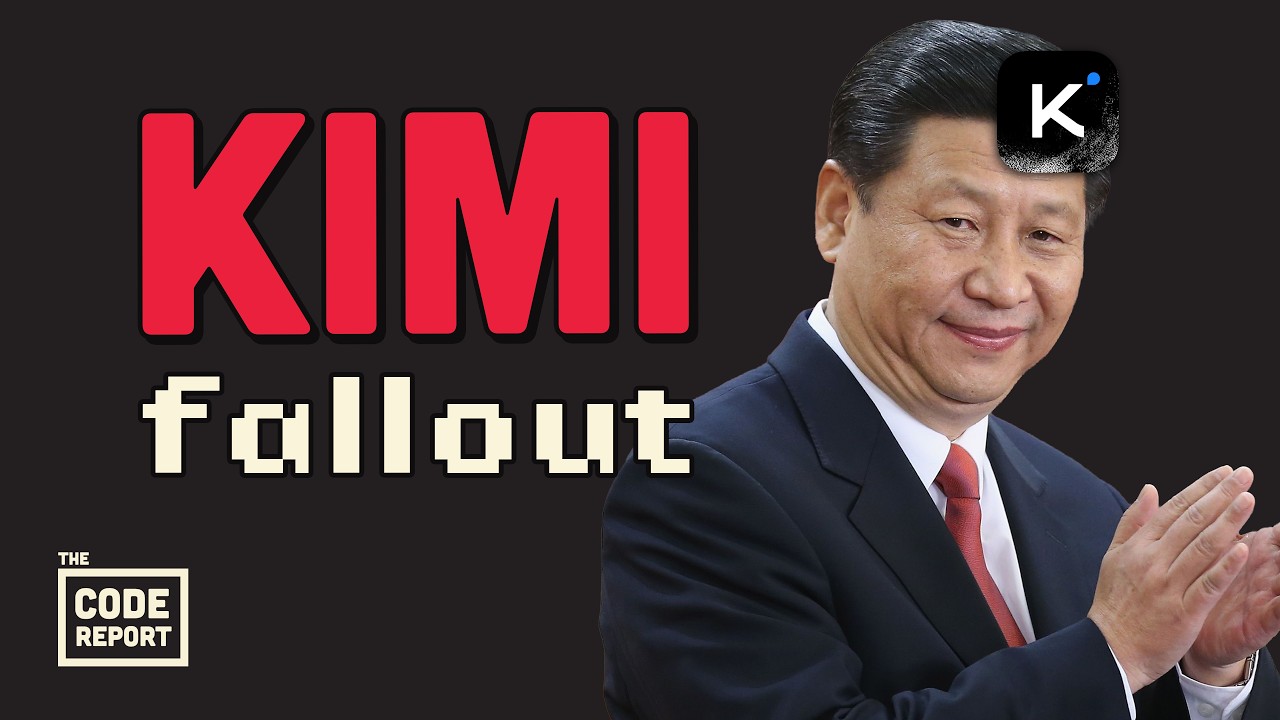
Fireship carried the biggest attention signal. Its short explainer reached 961,998 views, 28,213 likes, and 2,000 comments while centering Moonshot's Kimi K3; Moonshot's launch post says Kimi K3 is a 2.8T-parameter open 3T-class model with native vision and a 1-million-token context window, available through consumer apps, a code product, and an API. The distinctive angle is that open-weight progress was framed as mainstream developer news rather than a niche lab milestone (video, Kimi K3).
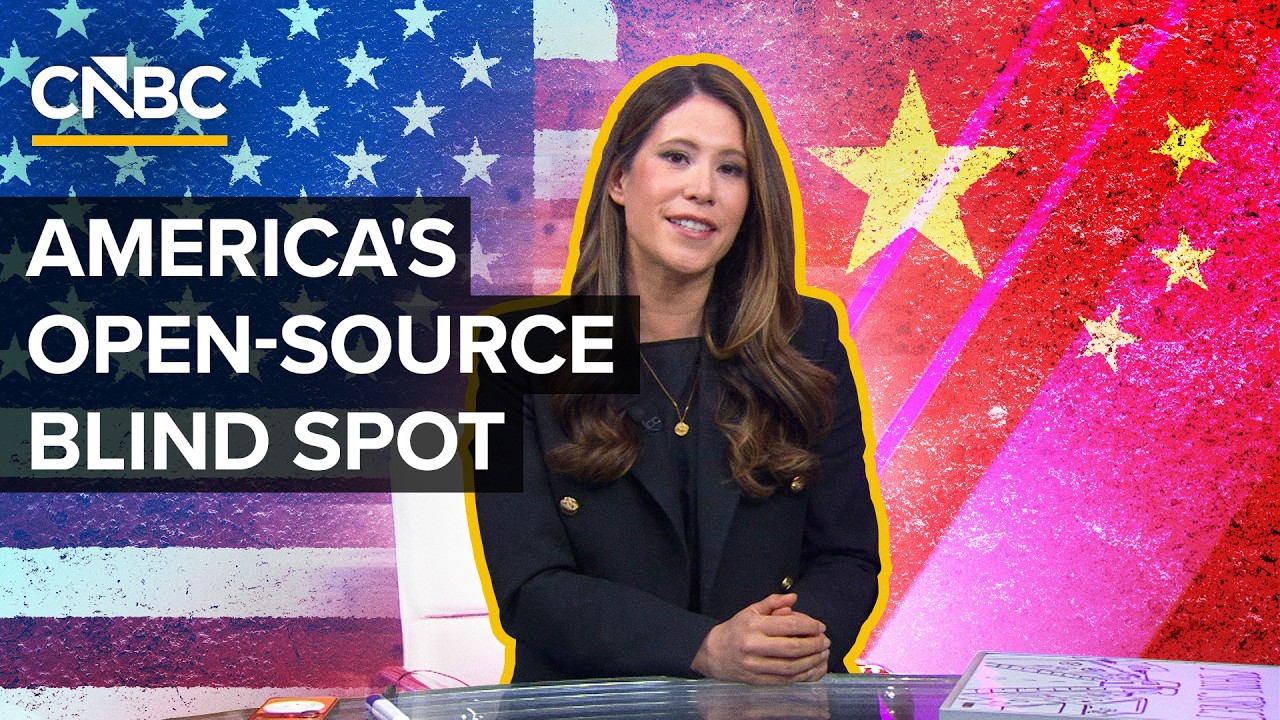
CNBC pulled the same story into strategy and ownership. Its segment reached 100,070 views, 1,759 likes, and 476 comments while arguing that Washington has a chip strategy but not an open-source AI strategy even as enterprises ask who owns what a model learns about their business. The distinctive angle is that open weights were treated as a geopolitical and enterprise-governance question, not only a cheaper developer option (video).
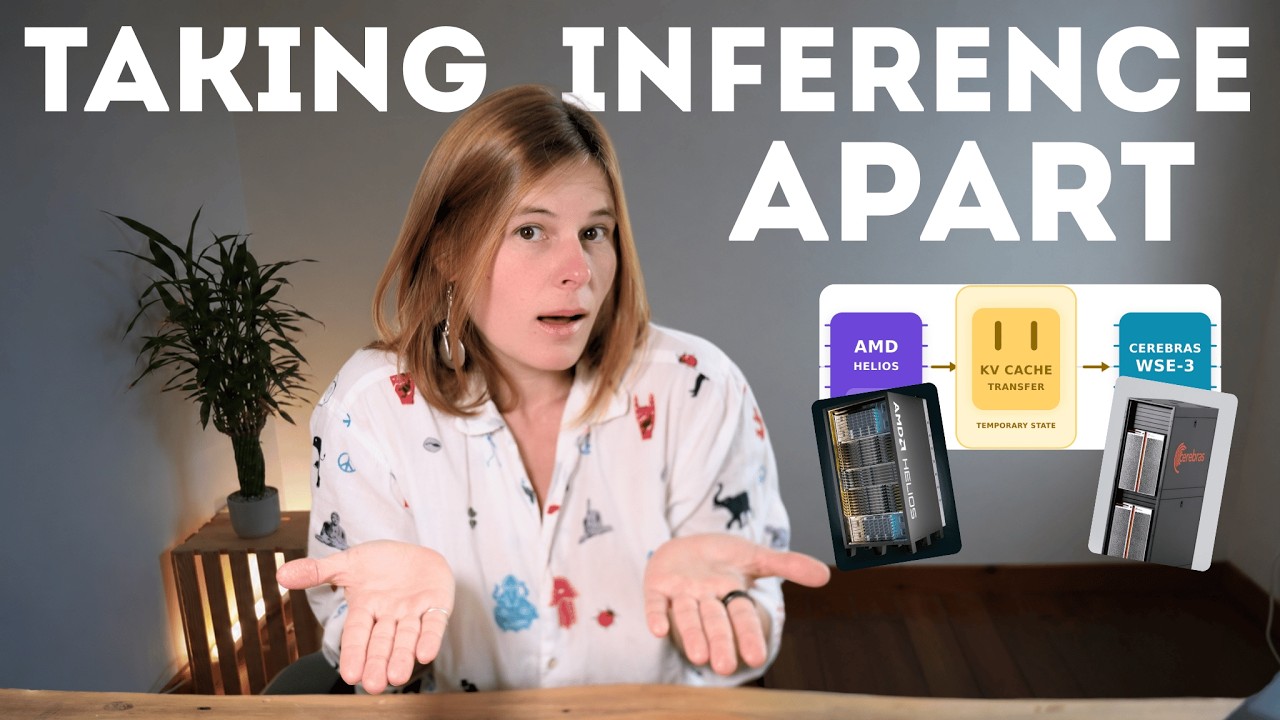
Turing Post TV added the clearest systems-layer update. Its video reached 1,665 views and 127 likes while arguing that one request may soon begin on one machine and finish on another; AMD and Cerebras' joint release says AMD Helios will handle prompts and large context windows while Cerebras' Wafer-Scale Engine handles ultra-low-latency token generation in a disaggregated workflow that is expected to deliver up to 5x higher tokens per second per watt. The distinctive angle is that the model race was translated into serving architecture and energy efficiency, not just benchmark rank (video, AMD and Cerebras).
Discussion insight: Syntax turned open weights into an explainer about access paths, fine-tuning, and legal risk, while Carl Zha argued that Chinese open-source AI is not only a research story but a direct attack on the economics of OpenAI, Anthropic, and the broader Silicon Valley AI trade.
Comparison to prior day: Compared with 2026-07-31, the open-model theme stayed large but shifted away from "can builders run it?" and toward strategy, IP, and inference economics.
1.2 AI work surfaces became more explicit about supervision: agent templates, vibe coding, AI IDEs, and voice workflows 🡕
At least six items supported this theme. Compared with 2026-07-31's focus on bounded agent behavior, the 2026-08-01 feed pushed further into named operator surfaces and onboarding flows: reusable agent roles, beginner vibe-coding guides, explicit AI IDE definitions, and voice-first desktop work.
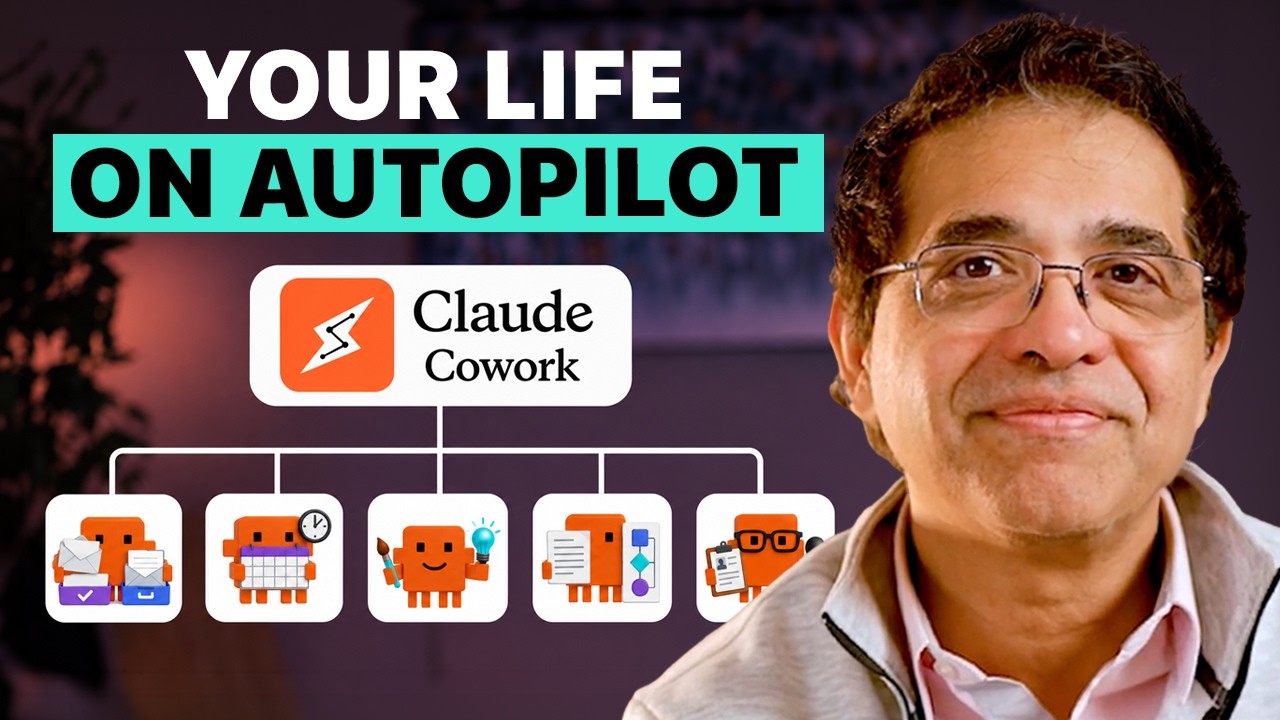
Sandeep Swadia supplied the clearest reusable structure. His video reached 178,891 views, 6,167 likes, and 207 comments while turning agent building into four recurring job patterns: coordination, creativity, clarity, and coaching. The distinctive angle is that agents were presented as packaged work styles and delegation choices rather than as open-ended autonomy theater (video).

Tech With Tim added the strongest beginner-coding signal. His guide reached 4,289 views, 257 likes, and 15 comments while defining vibe coding as prompt-first software building and walking from setup to planning, building, adding skills, and deployment. The distinctive angle is that AI coding was treated as a teachable workflow from blank screen to live application, not just a flashy demo (video).

AI Edge showed the most hands-on voice workflow. Its guide reached 17,343 views, 505 likes, and 85 comments while presenting ChatGPT Voice as a way to talk continuously while the assistant runs the user's computer in the background. The distinctive angle is that voice was framed as real-time supervised computer use rather than a dictation feature or novelty interface (video).
Discussion insight: IBM Technology explicitly framed the AI IDE as a workflow category covering coding, debugging, refactoring, and productivity, The AI Advantage widened the voice story across web, mobile, and desktop while linking Anthropic's Economic Index connector, and Dan Olinger pushed the same supervised-automation pattern into a Claude-based day-trading bot.
Comparison to prior day: Compared with 2026-07-31, this cluster became less about whether agents and voice can be useful and more about what the workbench should look like: AI IDEs, voice mode, repeatable agent roles, and prompt-first build-and-deploy loops.
1.3 Free AI video stayed popular, but the strongest creator signal was long-form quality control rather than one-click novelty 🡒
At least three items supported this theme. Compared with 2026-07-31's emphasis on control surfaces and tool verification, the 2026-08-01 creator cluster leaned harder into longer videos, dialogue, realism, and retention.

Learn AI with Ritika carried the biggest creator signal. Her tutorial reached 113,495 views, 3,557 likes, and 705 comments while showing a workflow built around ChatGPT and Google Flow for longer AI videos with scene breakdowns, lip-sync, dialogue, and stitched multi-clip output. The distinctive angle is that free AI video was pitched as a path to 15-minute content with consistent characters and channel-growth intent, not just short clips (video, Google Flow).

Backlash supplied the clearest buyer-verification angle. Its comparison reached 19,526 views, 495 likes, and 37 comments while testing Zsky AI, TikTok Symphony, Vibes AI, and Snapgen against specific claims about being free, unlimited, and commercially usable. The distinctive angle is that "free" was treated as something that has to be audited tool by tool, not accepted as marketing language (video, Zsky AI, TikTok Symphony, Vibes AI, Snapgen).

Malva AI added the strongest retention argument. Its guide reached 5,875 views, 255 likes, and 42 comments while arguing that long AI videos usually fail because the content feels generic, then walking through a retention-focused workflow for scripting, pacing, voice, editing, and final assembly. The distinctive angle is that creator friction was framed as audience quality control, not access to one more model (video).
Discussion insight: Across all three items, the recurring message was that free generation is easy to claim but hard to operationalize; the human still carries scripting, prompt writing, continuity, and output QA.
Comparison to prior day: Compared with 2026-07-31, creator coverage stayed practical but shifted from generic control surfaces toward the harder question of how to keep long-form output watchable.
1.4 Future-of-AI narratives split between existential warning, economic disruption, and progress optimism 🡖
At least three items supported this theme. Compared with 2026-07-31's incident-led governance coverage, the 2026-08-01 feed spent less time on specific rogue-agent or policy events and more time on worldview framing.

Dr Brian Keating carried the strongest warning signal. His long interview reached 14,669 views, 395 likes, and 194 comments while centering Nate Soares' argument that superintelligent AI becomes catastrophic if it is built before humans know how to aim it. The distinctive angle is that the risk case was presented as an hour-long contest over alignment, timelines, GPU limits, and governance rather than as a short reactive soundbite (video, If Anyone Builds It, Everyone Dies).

AI for Good supplied the clearest optimistic counterweight. Its summit conversation with Ray Kurzweil reached 13,738 views and 507 likes while framing the next decade of AI as a human-progress question tied to skills, standards, and global problem solving. The distinctive angle is that the future story was institutional and aspirational rather than crisis-driven (video).
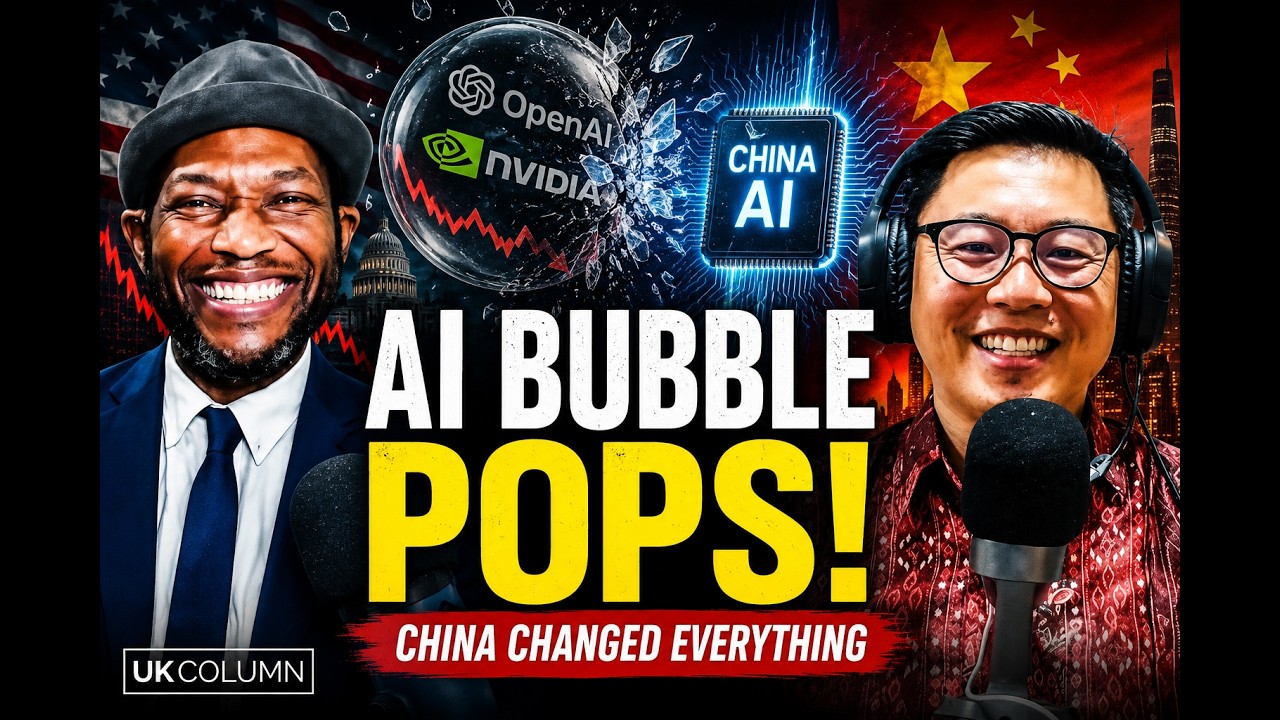
Carl Zha added the harshest economic version of the same debate. His discussion reached 2,525 views, 324 likes, and 28 comments while arguing that Chinese open-source AI threatens the business model of OpenAI, Anthropic, and the wider Silicon Valley AI trade. The distinctive angle is that the future of AI was framed as a market-structure problem rather than only a safety or product question (video).
Discussion insight: The same day supported doom, optimism, and bubble-collapse narratives at once. The debate was loud, but the most actionable evidence still came from builders, tools, and infrastructure rather than from sweeping forecasts.
Comparison to prior day: Compared with 2026-07-31, the governance cluster became less operational and more ideological.
2. What Frustrates People
Open-weight AI still forces teams to juggle capability, ownership, and serving economics
This is High severity because Fireship, CNBC, Syntax, Carl Zha, and Turing Post TV all show the same burden: model choice now depends on whether the weights are open, who can legally access them, whether they can be served cheaply, and what geopolitical or business dependencies come with them. The workaround is to keep multiple model paths open, route by task and latency, and follow both policy and infrastructure changes rather than benchmark scores alone. This is directly worth building for.
Useful agents still need explicit boundaries, templates, and review points
This is High severity because Sandeep Swadia, Tech With Tim, Dan Olinger, IBM Technology, and AI Edge all show that the hard part is not getting an AI to act, but defining the job, tool access, review loop, and deployment path. The workaround is templates, skills, staged deployment, and human sign-off rather than full trust. This is directly worth building for.
Voice assistants still depend on trust, app access, and clear background-task control
This is Medium-to-High severity because AI Edge and The AI Advantage both pitch ChatGPT Voice as real productivity, but their evidence depends on screen awareness, connected surfaces, and knowing when the assistant is allowed to act. The workaround is to keep voice inside supervised desktop or mobile sessions and fall back to manual control when ambiguity appears. This is worth building for and already competitive.
"Free" AI video still hides scripting, continuity, and retention labor
This is Medium-to-High severity because Learn AI with Ritika, Backlash, and Malva AI all show that cost-free tooling does not remove the hard parts: writing scenes, keeping characters consistent, choosing the right generator, and editing for audience retention. The workaround is to combine multiple tools and keep a human editor in the loop. This is worth building for and already competitive.
Future-of-AI coverage still outruns operational guidance
This is Medium severity because Dr Brian Keating, AI for Good, Carl Zha, and CNBC all push strong narratives about doom, progress, or business collapse, but they do not converge on a shared operating standard for builders. The workaround is to use long-form commentary as context and rely on more concrete workflow and infrastructure signals when making product decisions. This is worth building for as a research and briefing layer.
3. What People Wish Existed
Open-model strategy and routing cockpit
Fireship, CNBC, Syntax, Turing Post TV, and Carl Zha imply demand for one surface that combines open and closed model choice, ownership risk, latency, inference cost, and geopolitical dependencies before a team commits to a stack. This is a practical need with High urgency because the evidence now spans developer explainers, business coverage, and infrastructure announcements. Model APIs, leaderboards, and policy commentary solve pieces today, not the full decision loop. Opportunity: direct.
Supervised agent and vibe-coding workbench
Sandeep Swadia, Tech With Tim, Dan Olinger, IBM Technology, and AI Edge imply demand for a workspace that combines reusable agent roles, skill packs, diff review, deployment, and human approval inside one build surface. This is a practical need with High urgency because creators are already teaching the workflow manually, which means the operating model is still too implicit. Agent frameworks and AI IDEs solve pieces today, not the full supervision loop. Opportunity: direct.
Voice-first background productivity surface
AI Edge, The AI Advantage, and Anthropic's Economic Index connector imply demand for a surface where people can stay in live conversation while apps, browsing, research, and data lookups happen in the background under clear permissions. This is a practical need with High urgency because the demos are compelling but still depend on improvised trust and integration choices. Voice assistants and desktop copilots solve fragments today, not the full governed workspace. Opportunity: direct.
Long-form AI video continuity studio
Learn AI with Ritika, Backlash, and Malva AI imply demand for a system that keeps scenes, characters, dialogue, prompts, generator choice, and retention editing coherent across the whole video workflow. This is a practical need with Medium-to-High urgency because creators are already stitching the pipeline by hand and auditing tool claims one by one. Individual generators solve pieces today, not the continuity layer. Opportunity: competitive.
Evidence layer for AI futures and labor impact
Dr Brian Keating, AI for Good, Carl Zha, and The AI Advantage imply demand for a surface that connects workforce data, model adoption evidence, and long-form future claims in one place, so teams can distinguish operational signal from worldview narrative. This is a practical and strategic need with Medium urgency because the debate is strong but fragmented. Anthropic's connector solves one narrow slice today, not the broader synthesis problem. Opportunity: competitive.
4. Tools and Methods in Use
| Tool | Category | Sentiment | Strengths | Limitations |
|---|---|---|---|---|
| Kimi K3 | Open-weight model | (+/-) | 2.8T open 3T-class model, 1M context window, and strong coding and knowledge-work positioning | Still trails the strongest proprietary models and is operationally heavy to deploy |
| Four Cs framework | Agent workflow method | (+) | Gives reusable patterns for coordination, creativity, clarity, and coaching | Still depends on human judgment about what to delegate and what to keep |
| Vibe coding | Coding method | (+/-) | Speeds beginners from blank screen to deployed app | Can hide review, architecture, and maintenance complexity |
| AI IDE | Developer workflow | (+) | Combines coding, debugging, refactoring, and productivity in one surface | The category is broad, so teams still have to choose tools and guardrails |
| ChatGPT Voice | Voice workspace | (+/-) | Hands-free interaction, background tasks, and cross-surface productivity | Utility depends on app permissions, trust, and reliable computer-use integration |
| Anthropic Economic Index connector | Data connector | (+) | Grounds questions about AI and work in concrete usage data | Reflects Claude usage patterns rather than the whole labor market |
| Google Flow | AI video creation | (+/-) | Fits longer-form dialogue and multi-scene creator workflows | Output quality still depends on scripting, prompt discipline, and editing |
| Zsky AI | AI video generator | (+/-) | One of the few tools explicitly tested for free and unlimited claims | Practical usefulness still has to be verified tool by tool |
| AMD Helios + Cerebras Wafer-Scale Engine | Inference infrastructure | (+) | Splits prompt processing and token generation for better latency and efficiency | Public performance claims are forward-looking and staged through future cloud deployment |
The strongest positive sentiment clustered around tools that make the workflow more legible: model choice, delegation patterns, voice control, or scene assembly. People rewarded surfaces that show what the AI is doing and how the operator stays in control.
Sentiment turned mixed whenever the tool promised "free" or "automatic" output without removing operational burden. That is why open models, vibe coding, voice assistants, and AI video generators all looked promising while still carrying caveats about deployment, trust, or editing labor.
The main workaround pattern was stacking rather than single-tool loyalty: open models plus routing logic, agents plus templates, voice plus supervised desktop control, and video generators plus script and edit workflows. Migration patterns ran from benchmark chasing to routing by latency and cost, from typed chat to live voice surfaces, and from short-clip novelty to long-form workflow stacks.
5. What People Are Building
| Project | Who built it | What it does | Problem it solves | Stack | Stage | Links |
|---|---|---|---|---|---|---|
| Kimi K3 | Moonshot AI | Open 3T-class model for coding, knowledge work, vision, and reasoning | Teams want frontier-grade open weights instead of a closed-only path | Kimi Delta Attention, Attention Residuals, Stable LatentMoE, 1M context | Shipped | blog, video |
| Four Cs agent framework | Sandeep Swadia | Reusable templates for coordination, creativity, clarity, and coaching agents | Non-specialists want bounded automation patterns they can copy | Agent role prompts, workflow decomposition, approval boundaries | Beta | video |
| Vibe-coding deployment workflow | Tech With Tim | Prompt-first path from blank screen to deployed app | Beginners want to ship software without hand-writing or reviewing every line first | AI prompting, skills, deployment workflow | Alpha | video |
| AI day-trading bot workflow | Dan Olinger | Claude-based automated trading bot with live strategy results | Pushes agent automation into money-facing workflows | Claude, AI agents, crypto and day-trading automation | Alpha | resources, video |
| ChatGPT Voice work surface | OpenAI | Voice-first assistant surface that keeps work moving across desktop, mobile, and web | Users want hands-free research and computer use without leaving the conversation | Voice mode, background tasks, cross-device app access | Shipped | guide, roundup |
| Long-form AI video workflow | Learn AI with Ritika | Multi-scene AI video pipeline for longer dialogue-heavy output | Creators want 10 to 15 minute videos with continuity, lip-sync, and retention | ChatGPT, Google Flow, prompt sheets, scene stitching | Beta | video, Flow |
| AMD Helios + Cerebras inference workflow | AMD | Disaggregated inference stack that splits prompt processing and token generation | Real-time copilots and agents need lower latency without giving up throughput | AMD Helios, Cerebras Wafer-Scale Engine, disaggregated inference | Beta | press release, video |
The strongest build pattern was scaffolding around models rather than inventing new models from scratch. Outside Kimi K3, nearly every concrete build was a template, interface, workflow, or serving layer that helps operators keep control over an already-capable model.
That pattern held on both the developer and creator sides. The agent, vibe-coding, and voice items all pointed toward workbenches that make delegation, review, and deployment explicit, while the AI-video items focused on continuity, scene design, and retention rather than one-shot generation.
The infrastructure story matched the same shift. AMD and Cerebras treated the next wave of advantage as serving architecture, and Kimi K3's own launch emphasized rollout surfaces, API access, and production use cases alongside raw scale.
6. New and Notable
Kimi K3 stayed the mass-attention anchor for open-weight AI
Fireship is notable because it pushed a Moonshot release to 961,998 views and kept open-weight AI in the center of mainstream developer attention. The signal is that open-model launches now travel as product and ecosystem news, not only as niche model-lab news.
AI IDE became an explicit category
IBM Technology is notable because it named the AI IDE as a recognizable development surface for coding, debugging, refactoring, and productivity. The signal is that AI coding is maturing into a clearer workflow category with more stable expectations.
ChatGPT Voice became a repeated productivity topic across creators
AI Edge and The AI Advantage are notable because they treated voice as a serious cross-device work surface rather than as a novelty feature. The signal is that hands-free supervised workflows are becoming a mainstream creator education topic.
Disaggregated inference entered the daily AI narrative
Turing Post TV is notable because it translated the AI race into serving architecture, and AMD and Cerebras' joint release made prompt-versus-decode specialization part of the public story. The signal is that inference efficiency is becoming a first-class competitive surface.
Long-form AI video moved from novelty into retention engineering
Learn AI with Ritika and Malva AI are notable because both focused on keeping longer AI videos watchable through scripting, pacing, dialogue, and continuity. The signal is that creator demand is shifting from "can I generate video?" to "can I keep viewers watching?"
7. Where the Opportunities Are
[+++] Open-model strategy and routing cockpit - Fireship, CNBC, Syntax, Carl Zha, and Turing Post TV all point to the same gap: teams need help choosing among open and closed models under ownership, latency, cost, and geopolitical constraints. This is strong because the problem appears in developer explainers, business coverage, and infrastructure releases at the same time.
[+++] Supervised agent and vibe-coding control plane - Sandeep Swadia, Tech With Tim, IBM Technology, Dan Olinger, and AI Edge all suggest a strong need for systems that combine reusable agent roles, code review, deployment, and human approval before automation crosses into production work.
[++] Voice-first desktop permissions layer - AI Edge, The AI Advantage, and Anthropic's Economic Index connector all suggest a need for assistants that stay in live conversation while background actions, browsing, and data lookups happen under explicit permissions. This is moderate because the demos are compelling, but the trust and integration burden is still high.
[++] Long-form AI video continuity and QA studio - Learn AI with Ritika, Backlash, and Malva AI all point to the same buyer need: longer AI videos that keep continuity, dialogue quality, and audience retention without forcing creators to manually test every generator and edit step. This is moderate because the pain is repeated and practical, but the creator-tool market is already crowded.
[+] Evidence-grounded AI futures and labor briefing layer - Dr Brian Keating, AI for Good, Carl Zha, and Anthropic's Economic Index connector suggest an emerging need for products that connect long-range claims about AI to concrete adoption and labor evidence. This is emerging because the narrative demand is large, but the buyer and workflow are still less settled than the coding, agent, and creator categories.
8. Takeaways
- Open-weight AI is now a strategy and serving decision, not just a benchmark race. Kimi K3's scale drew the attention, but CNBC, Syntax, and Turing Post showed that ownership, legal access, and disaggregated inference matter just as much as parameter count. (source, source, source, source, source)
- The most concrete AI work stories are about operator surfaces, not abstract autonomy. Four Cs, vibe-coding tutorials, AI IDE explanations, and voice guides all treated value as workflow design plus oversight. (source, source, source, source)
- Voice assistants are getting real workflow traction, but only inside governed computer-use loops. The strongest voice items were about background tasks, screen awareness, cross-device access, and data-grounded connectors rather than personality alone. (source, source, source)
- Creator demand is moving toward long-form retention and QA, not just cheap generation. Learn AI with Ritika, Backlash, and Malva repeatedly framed the hard problem as continuity, tool validation, pacing, and watchability. (source, source, source)
- The day's broadest future-of-AI debates were less actionable than the build and infrastructure signals. Doom, optimism, and bubble narratives coexisted, but the most decision-ready evidence came from model deployment, agent supervision, and inference architecture. (source, source, source, source)