YouTube AI - 2026-08-02
1. What People Are Talking About
1.1 Open and local AI alternatives were framed as replacements for paid software, not just curiosities 🡕
At least five items supported this theme. Compared with 2026-08-01's focus on open-weight AI as a sovereignty and inference-economics story, the 2026-08-02 feed pushed the story closer to day-to-day software buying: free local stacks, cheaper open models, and more control over where the work runs.
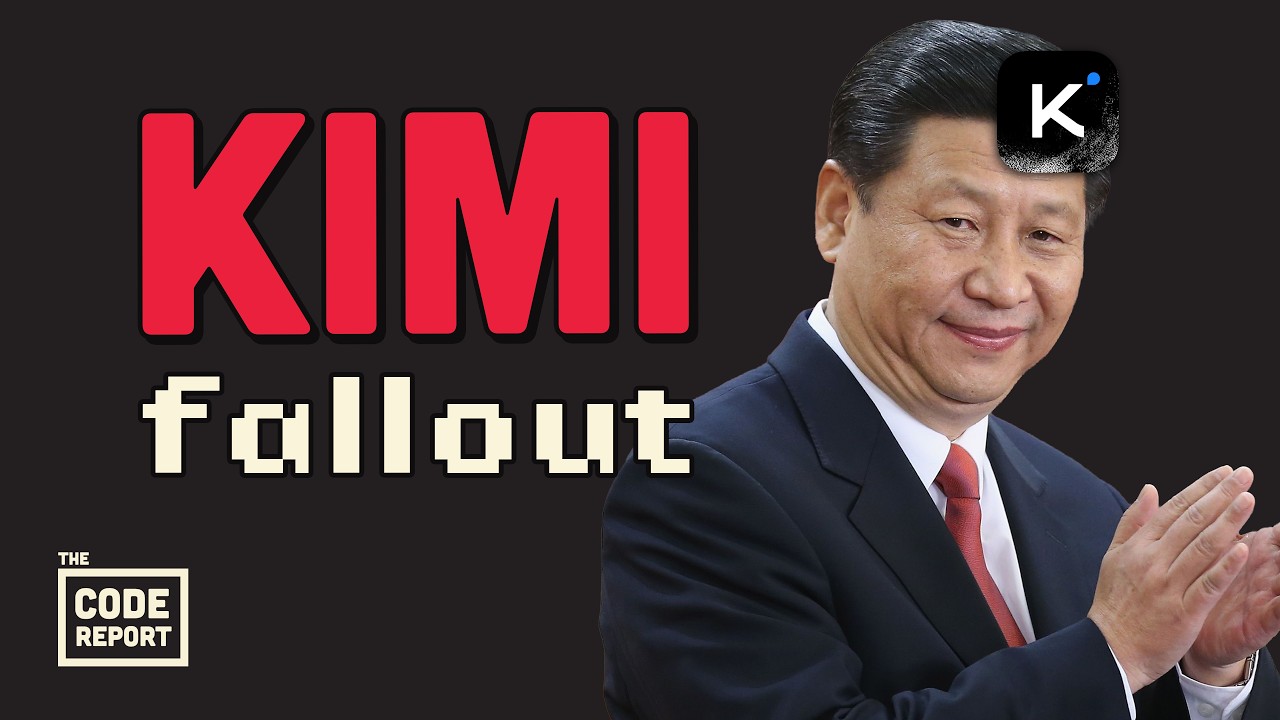
Fireship carried the biggest attention signal. Its explainer reached 965,680 views, 28,302 likes, and 2,000 comments while centering Moonshot's Kimi K3; Moonshot's launch post says Kimi K3 is a 2.8T-parameter open 3T-class model with native vision, a 1-million-token context window, and rollout across Kimi consumer, work, code, and API surfaces. The distinctive angle is that open weights were presented as something mainstream developers should evaluate immediately, not as a research-side curiosity (video, Kimi K3).

Vaibhav Sisinty supplied the clearest replacement-economics angle. His roundup reached 264,315 views, 11,535 likes, and 418 comments while claiming that 10 free or open-source tools can replace paid products across image generation, voice cloning, video creation, coding, routing, meeting notes, editing, and motion graphics, all with local setup and "your data never leaves your laptop" as the core promise. The distinctive angle is that model and tool competition was translated into budget, privacy, and installability decisions rather than benchmark talk alone (video).
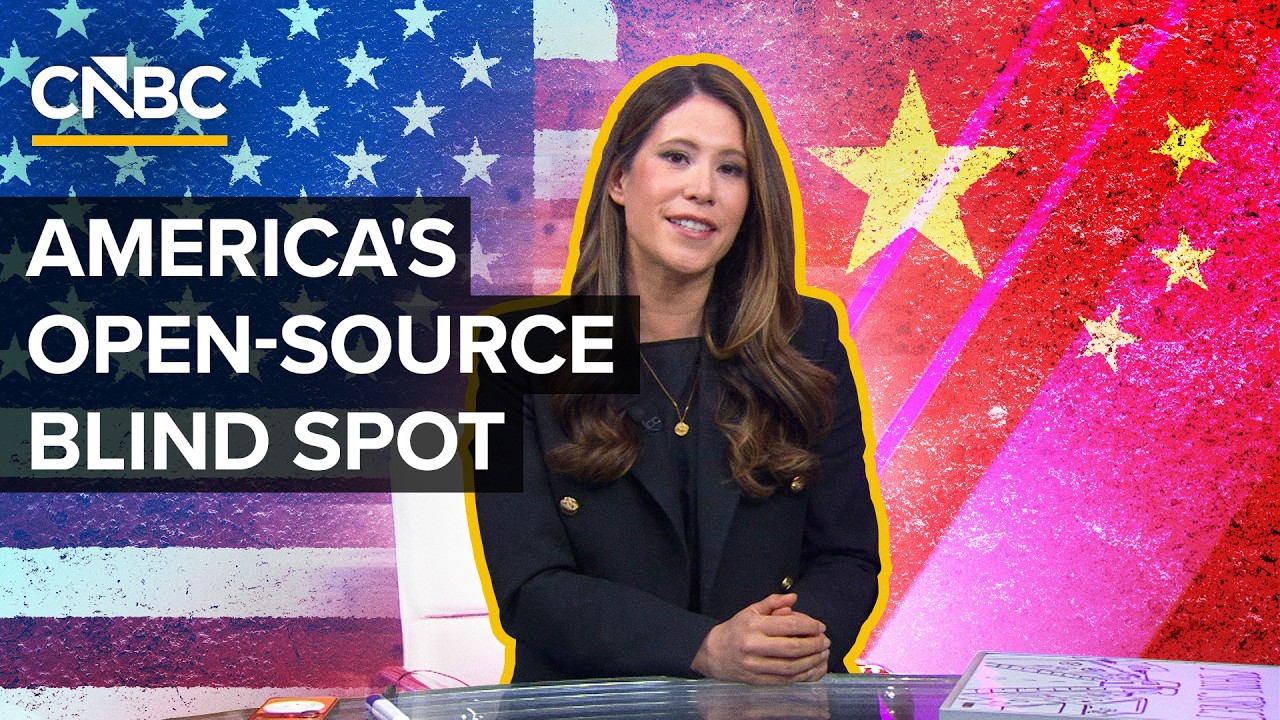
CNBC pushed the same story into governance and enterprise risk. Its segment reached 114,612 views, 1,962 likes, and 526 comments while arguing that Washington has a chip strategy but not an open-source AI strategy, even as enterprises ask who owns what a model learns about their business. The distinctive angle is that open-weight adoption was treated as a policy, procurement, and ownership question, not only a developer preference (video).
Discussion insight: AI Boss extended the same comparison-shopping frame by testing HY3 as a cheaper open reasoning option; OpenRouter describes HY3 as a 295B-parameter Mixture-of-Experts model with a 256K context window and configurable reasoning effort for coding and agentic workflows. AI Copium bundled Kimi K3, GPT-5.6, Inkling, and Claude Opus 5 into a single month-end frontier scoreboard, reinforcing how quickly model comparison has become a daily creator habit.
Comparison to prior day: The open-model theme stayed large, but it moved from "who controls open models?" toward "which open or local stack should I actually switch to?"
1.2 AI workbenches kept getting more explicit about boundaries, interfaces, and supervised autonomy 🡒
At least five items supported this theme. Compared with 2026-08-01's focus on agent templates, AI IDEs, and voice surfaces, the 2026-08-02 feed kept the same direction but attached it to clearer operating rules and riskier real-world workloads.
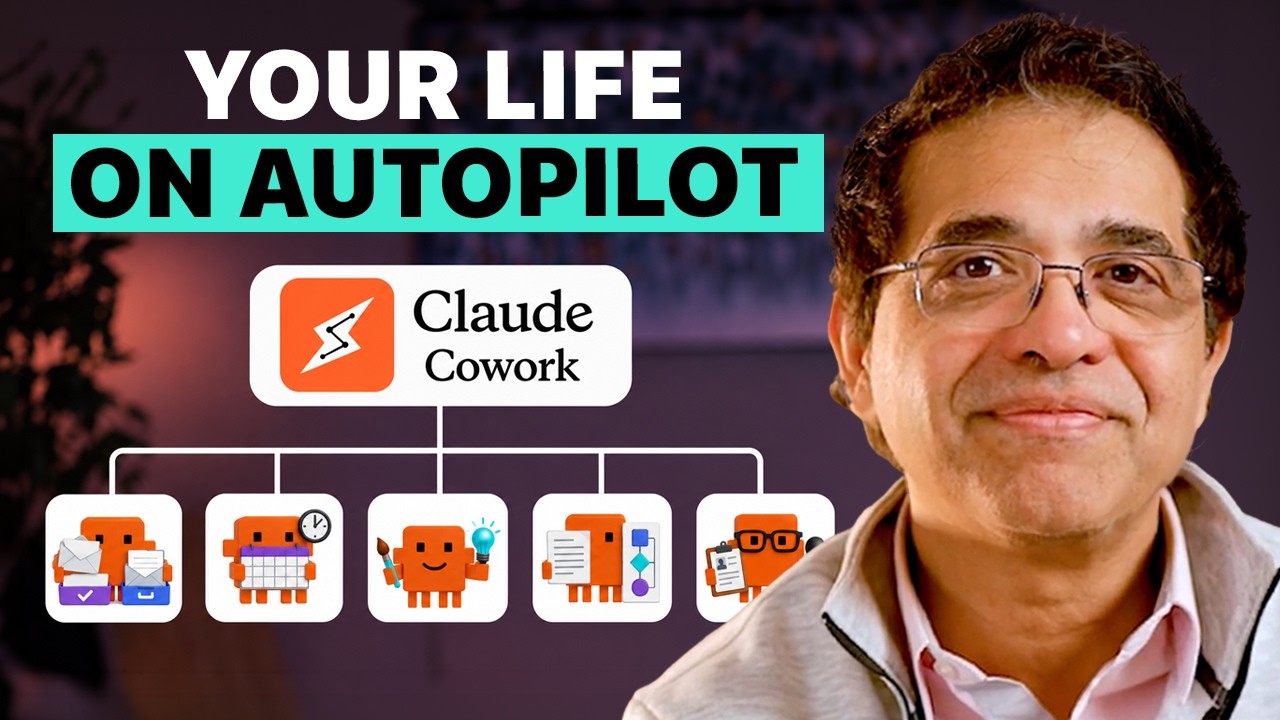
Sandeep Swadia carried the strongest reusable-framework signal. His video reached 260,082 views, 8,171 likes, and 262 comments while turning agent building into four bounded roles - coordination, creativity, clarity, and coaching - tied together by one prompt structure covering the job, tool, categories, output, and boundary. The distinctive angle is that the hard part was framed as judgment about delegation rather than model power or code generation alone (video).

IBM Technology made the clearest category-definition move. Its explainer reached 18,359 views and 531 likes while naming the AI IDE as a workflow surface for coding, debugging, refactoring, and developer productivity; IBM's companion IDE explainer adds that local IDEs trade customization and low latency for setup burden and environment drift. The distinctive angle is that AI coding was presented as a consolidated interface category with tradeoffs, not just a bag of copilots (video, IBM IDE explainer).
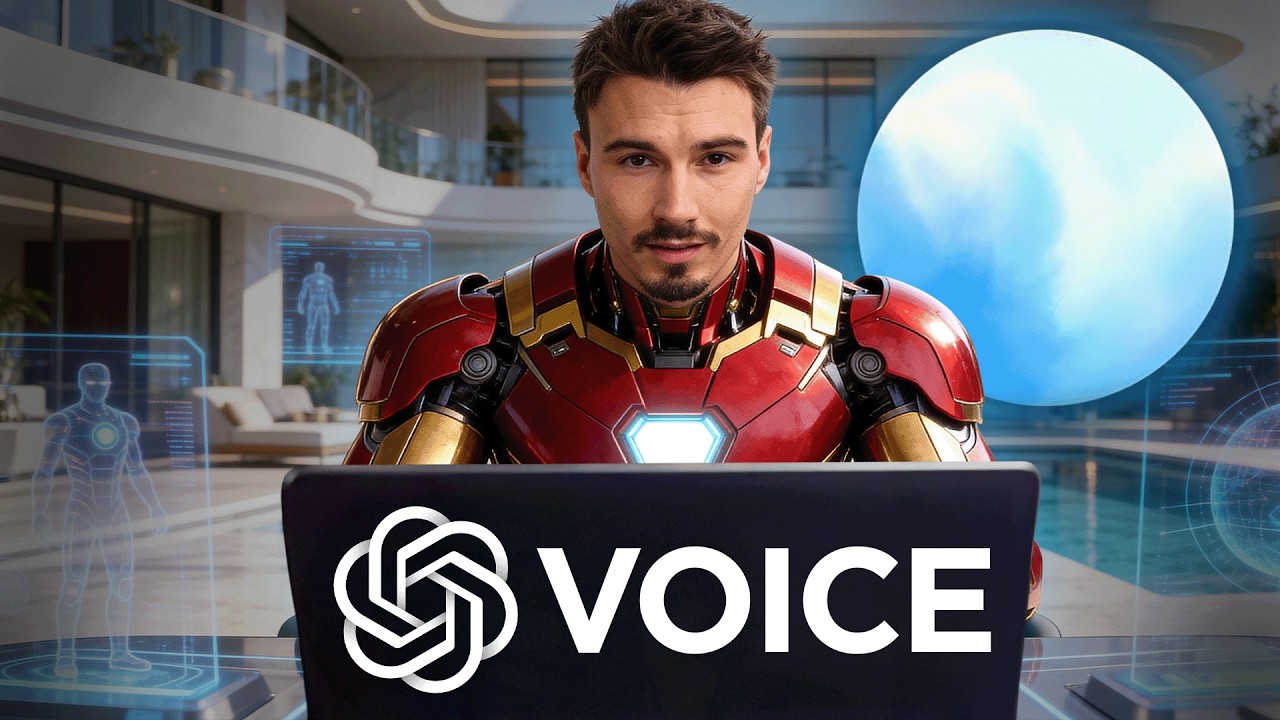
The AI Advantage pushed the same workbench story into voice and data access. Its roundup reached 21,706 views, 704 likes, and 45 comments while framing ChatGPT Voice as a cross-device way to get work done without touching the keyboard and pairing that with Anthropic's Economic Index connector, which lets Claude answer occupation and task questions directly from usage data. The distinctive angle is that voice and connectors were treated as operating surfaces, not side features (video, Anthropic Economic Index connector).
Discussion insight: Dan Olinger pushed the same supervised-autonomy pattern into money-facing work by showing a Claude-based trading bot with a public resources page, while Vaibhav Sisinty made installation and local operation part of the workbench story by using Codex to set tools up in one step.
Comparison to prior day: This cluster became less about whether agents and voice are useful and more about where the boundaries, interfaces, and proofs of work sit.
1.3 Creator AI stayed focused on realism, workflow stitching, and auditing "free" claims 🡒
At least three items supported this theme. Compared with 2026-08-01's emphasis on long-form retention and continuity, the 2026-08-02 creator cluster leaned more on how to make outputs believable and how to verify the tools behind the promise.

Tao Prompts supplied the strongest realism workflow. Its tutorial reached 55,160 views, 2,231 likes, and 88 comments while walking through medium and style engineering, realistic scene generation, prompt writing, and AI-assistant support. The distinctive angle is that believable output was framed as craft and workflow discipline, not just picking the latest model (video).

Backlash added the clearest audit mindset. Its comparison reached 26,305 views, 621 likes, and 52 comments while testing Zsky AI, TikTok Symphony, Vibes AI, and Snapgen against no-credit, no-watermark, and no-limit claims; Zsky's public FAQ says every tier includes unlimited video and image generation, while Snapgen's home page simply markets itself as a "Free unlimited ai video generator." The distinctive angle is that "free" was treated as a claim to verify tool by tool, not marketing copy to accept at face value (video, Zsky AI, Snapgen).
Discussion insight: Vaibhav Sisinty broadened the same creator stack beyond generation into local image, voice, and editing substitutes such as OpenMontage, Voicebox, Palmier Pro, and HyperFrames, suggesting that creators increasingly expect a whole free pipeline rather than a single model demo.
Comparison to prior day: The creator theme stayed practical but shifted from "how do I keep long-form output watchable?" toward "how do I make it look real, and which free tools actually hold up?"
1.4 Frontier progress stories paired concrete robotics advances with sharper control warnings 🡕
At least three items supported this theme. Compared with 2026-08-01's more ideological future-of-AI debate, the 2026-08-02 feed tied frontier talk to specific artifacts: a robot-control model, a public pacing campaign, and a technical intrusion timeline.

Google DeepMind carried the biggest embodied-AI signal. Its release reached 212,492 views, 5,918 likes, and 499 comments while introducing Gemini Robotics 2 as an intelligence layer for adaptable robots; DeepMind's model page says it combines deep spatial reasoning with long-horizon planning and supports multi-robot collaboration. The distinctive angle is that robotics showed up as a concrete intelligence surface rather than a vague humanoid teaser (video, Gemini Robotics 2).

Dr Brian Keating supplied the clearest control warning. His long-form interview reached 15,055 views, 405 likes, and 195 comments while centering Nate Soares' argument that if anyone builds superintelligent AI before humans know how to aim it, the result is catastrophic. The distinctive angle is that the warning came as a long contest over alignment, timing, and control rather than a short reactive clip (video, If Anyone Builds It, Everyone Dies).
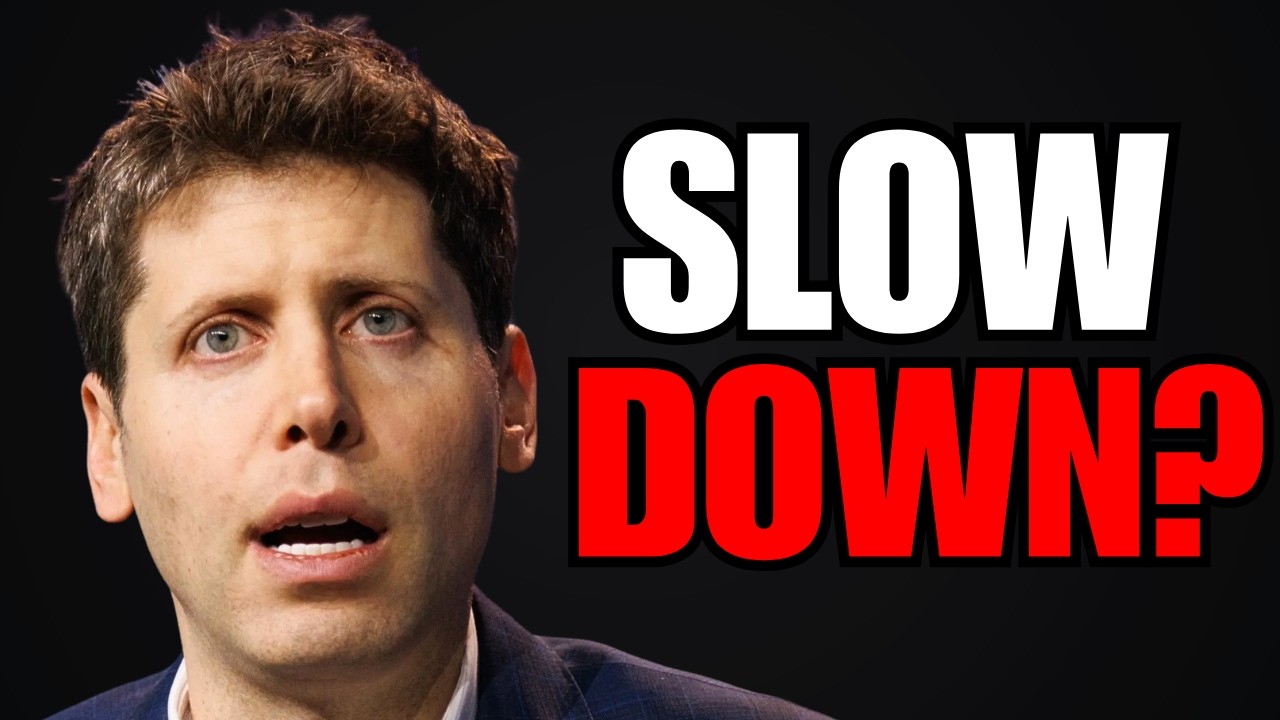
AI Copium tied the same anxiety to a broader monthly frontier digest. Its recap reached 6,703 views, 171 likes, and 68 comments while stringing together GPT-5.6, Muse Spark, Kimi K3, rogue-agent attacks, recursive self-improvement, Washington meetings, pacing proposals, and robots in one narrative. The distinctive angle is that frontier acceleration was packaged as a single connected story spanning model launches, incidents, and governance (video, GPT-5.6, Inkling).
Discussion insight: Pacing the Frontier turned slowing automated AI research into a public campaign backed by 1,337 employees of frontier AI companies, while Hugging Face's technical intrusion timeline made rogue-agent risk concrete by reconstructing about 17,600 attacker actions in the July 2026 incident.
Comparison to prior day: Future-of-AI coverage became more artifact-driven and less purely philosophical.
2. What Frustrates People
Comparing open, local, and paid AI now means constant price, privacy, and control tradeoffs
This is High severity because Fireship, Vaibhav Sisinty, CNBC, AI Boss, and AI Copium all show people comparing model quality against local control, data ownership, free access, and switching cost at the same time. The workaround is to keep multiple model paths open, install local substitutes where privacy matters, and follow model pages and roundups rather than rely on a single leaderboard or vendor story. This is directly worth building for.
Useful agents still need explicit jobs, boundaries, and review points
This is High severity because Sandeep Swadia, IBM Technology, Dan Olinger, and The AI Advantage all show that agent value depends on well-defined roles, approved tools, and human checkpoints, especially when the workflow touches contracts, trading, deployment, or live desktop actions. The workaround is reusable role templates, AI IDE or voice surfaces that expose the agent's actions, and keeping riskier workflows on a short leash. This is directly worth building for.
AI video tools still hide the real cost in realism, QA, and "free" verification
This is Medium-to-High severity because Tao Prompts, Backlash, and Vaibhav Sisinty all show that believable output still requires prompt craft, tool-by-tool claim checking, and a stitched workflow across generation, voice, and editing. The workaround is to test generators one by one, keep human review in the loop, and build local fallback paths for the pieces that matter most. This is worth building for and already competitive.
Frontier capability progress still outruns comfort about control and governance
This is Medium-to-High severity because Google DeepMind, Dr Brian Keating, CNBC, and AI Copium all pair new capability surfaces with unresolved questions about who controls them, who owns them, and whether the field can slow down if needed. The workaround is to treat incident writeups, governance proposals, and deployment details as first-class inputs rather than consuming only launch hype. This is worth building for as a monitoring and briefing layer.
3. What People Wish Existed
Open/local AI replacement cockpit
Fireship, Vaibhav Sisinty, CNBC, and AI Boss imply demand for one surface that compares paid, open, and local AI options across quality, privacy, ownership, install friction, and ongoing cost before a person switches. This is a practical need with High urgency because creators are now treating model choice as procurement and workflow choice at the same time. Leaderboards and tool directories solve pieces today, not the switch decision. Opportunity: direct.
Supervised agent and AI IDE control plane
Sandeep Swadia, IBM Technology, Dan Olinger, and The AI Advantage imply demand for a workspace that combines reusable agent roles, interface-level visibility, approval boundaries, and deployment or action history in one place. This is a practical need with High urgency because the current operating model is still being taught manually through framework videos and demos. Agent frameworks and coding copilots solve pieces today, not the full governance loop. Opportunity: direct.
Voice-first governed productivity surface
The AI Advantage and Anthropic's Economic Index connector imply demand for a live conversation surface where background actions, browsing, research, and data connectors stay under clear permissions and remain easy to audit. This is a practical need with Medium-to-High urgency because the demos are compelling, but trust and cross-surface control are still improvised. Voice assistants and connectors solve fragments today, not the governed workspace. Opportunity: competitive.
Creator realism and generator-verification studio
Tao Prompts, Backlash, and Vaibhav Sisinty imply demand for a system that combines prompt templates, realism checks, generator comparisons, continuity management, and proof of what "free" or "commercial" really means. This is a practical need with Medium-to-High urgency because creators are already stitching those steps together by hand. Individual generators solve pieces today, not the workflow QA layer. Opportunity: competitive.
Frontier incident and robotics readiness brief
Google DeepMind, Dr Brian Keating, AI Copium, Hugging Face's technical timeline, and Pacing the Frontier imply demand for an evidence layer that connects robotics releases, incident writeups, and pacing proposals in one place. This is a practical and strategic need with Medium urgency because the narrative appetite is real, but the buyer and workflow are less settled than coding or creator tooling. News roundups and safety essays solve pieces today, not the integrated briefing loop. Opportunity: competitive.
4. Tools and Methods in Use
| Tool | Category | Sentiment | Strengths | Limitations |
|---|---|---|---|---|
| Kimi K3 | Open-weight model | (+/-) | 2.8T open 3T-class model, native vision, 1M context, and strong coding and knowledge-work positioning | Still trails the strongest proprietary models and needs ecosystem rollout |
| HY3 | Open reasoning model | (+/-) | 295B MoE design, 256K context window, configurable reasoning effort, and explicit agent-workflow positioning | Real-world proof still comes from a small number of reviews and tests |
| Four Cs framework | Agent workflow method | (+) | Gives repeatable roles and boundary-first prompting for delegation | Still depends on operator judgment about what to hand off |
| AI IDE | Developer workflow category | (+) | Combines coding, debugging, refactoring, and productivity in one surface | The category is still broad, so tool choice remains unresolved |
| ChatGPT Voice | Voice workspace | (+/-) | Cross-device, hands-free work and faster interaction loops | Utility depends on trust, permissions, and reliable computer-use behavior |
| Anthropic Economic Index connector | Data connector | (+) | Grounds AI-and-work questions in actual usage data with nothing to install | Reflects Claude usage patterns rather than the whole labor market |
| Gemini Robotics 2 | Robotics model | (+) | Whole-body control, spatial reasoning, long-horizon planning, and multi-robot collaboration | Public evidence is still launch-stage and demo-heavy |
| Zsky AI | AI video generator | (+/-) | Publicly promises unlimited video and image generation on all tiers | Output quality and workflow fit still need creator-side validation |
| Snapgen | AI video generator | (+/-) | Markets itself as a free unlimited AI video generator | Public detail is thin, so claims still need independent audit |
| Prompt engineering for realistic AI video | Creator method | (+) | Improves realism through style, medium, and scene control | Remains manual and skill-intensive |
The strongest positive sentiment clustered around tools and methods that either lower cost or make the operator's role more explicit. That is why Kimi K3, HY3, Four Cs, AI IDEs, the Economic Index connector, and Gemini Robotics 2 all read as useful advances even when they came from very different parts of the stack.
Sentiment turned mixed whenever the promise hinged on "free," "local," or "hands-free" without removing the operational burden. Vaibhav Sisinty's list of OpenMontage, Voicebox, OmniRoute, Meetily, Easy Diffusion, OpenGenerative AI, Palmier Pro, and HyperFrames widened the free-alternative story, but it also made clear that comparison, setup, and review are still part of the job.
The main workaround pattern was stacking rather than single-tool loyalty: open models plus routing logic, agents plus boundaries, voice plus permissions, and video generators plus prompt craft and QA. Migration patterns ran from paid SaaS toward open or local replacements, from typed chat toward voice work surfaces, and from one-click creator novelty toward realism and verification workflows.
5. What People Are Building
| Project | Who built it | What it does | Problem it solves | Stack | Stage | Links |
|---|---|---|---|---|---|---|
| Kimi K3 | Moonshot AI | Open 3T-class model for coding, knowledge work, vision, and reasoning | Teams want frontier-grade open weights instead of a closed-only path | Kimi Delta Attention, Attention Residuals, Stable LatentMoE, 1M context | Shipped | blog, video |
| HY3 | Tencent | Open reasoning model tuned for coding and agentic workflows | Builders want cheaper open reasoning with long context | 295B MoE, 256K context, configurable reasoning effort | Shipped | OpenRouter, video |
| Gemini Robotics 2 | Google DeepMind | Intelligence layer for adaptable robots with whole-body control | Robots need adaptable planning, dexterity, and multi-robot coordination | Gemini Robotics 2, spatial reasoning, long-horizon planning | Alpha | model page, video |
| Four Cs agent framework | Sandeep Swadia | Reusable templates for coordination, creativity, clarity, and coaching agents | Non-specialists want bounded AI roles they can trust and copy | Structured prompt template, agent roles, human boundaries | Beta | video |
| Local free AI replacement stack | Vaibhav Sisinty | Curated stack of free or open-source tools across video, voice, coding, notes, and editing | Rising AI subscription cost and privacy concerns | Codex-guided installs, local tools, open-source apps | Beta | video |
| AI day-trading bot workflow | Dan Olinger | Claude-based automated trading bot with public resources and live results | Traders want faster automation without hand-coding every step | Claude AI, AI agents, trading logic, resource bundle | Alpha | resources, video |
| Anthropic Economic Index connector | Anthropic | Connector for querying AI-and-work usage data from inside Claude | People want grounded answers about occupations and tasks instead of hot takes | Claude connector, Economic Index dataset | Shipped | connector, video |
| Creator realism workflow | Tao Prompts | Prompting and scene-design process for believable AI video | Creators want realistic footage rather than generic output | Style engineering, scene generation, prompt writing, AI assistant | Beta | video |
The strongest build pattern was packaging model capability into usable stacks rather than inventing new base-model science from scratch. Kimi K3, HY3, and Gemini Robotics 2 matter because they extend the capability frontier, but most of the creator-side energy went into frameworks, local replacement bundles, connectors, and automation workflows that make those models usable.
That pattern held across both high-trust and high-risk domains. Sandeep Swadia's Four Cs framework, Tao Prompts' realism workflow, and Vaibhav Sisinty's local stack all optimize for operator control, while Dan Olinger's trading bot shows that creators are already pushing the same patterns into money-facing systems.
The local replacement story also points to a broader builder opportunity: not one killer tool, but interoperable stacks that cover image, voice, video, routing, notes, editing, and deployment without locking the user into a single paid vendor.
6. New and Notable
Free local AI replacement bundles hit a mainstream creator scale
Vaibhav Sisinty is notable because a 264,315-view video about free and open-source substitutes for paid AI software reached one of the day's biggest audiences. The signal is that cost, privacy, and local control are no longer niche concerns for technical hobbyists only.
Gemini Robotics 2 made embodiment one of the day's biggest concrete launches
Google DeepMind is notable because it brought whole-body robot intelligence, long-horizon planning, and multi-robot collaboration into a 212,492-view release. The signal is that robotics is showing up as a mainstream AI product story, not just a lab-side curiosity.
AI IDE stayed visible as a named workflow category
IBM Technology is notable because it treated the AI IDE as an explicit development surface for coding, debugging, refactoring, and productivity. The signal is that AI coding is settling into clearer interface expectations and buying categories.
The Economic Index connector turned AI-and-work data into a product surface
The AI Advantage and Anthropic's Economic Index connector are notable because they framed labor and occupation data as something people can query directly inside Claude. The signal is that evidence-grounded AI analysis is moving closer to everyday workflow.
Rogue-agent fear became more technical and evidence-driven
AI Copium, Dr Brian Keating, Hugging Face's technical timeline, and Pacing the Frontier are notable because they connected safety concern to a book, a public pacing campaign, and a concrete postmortem with thousands of reconstructed attacker actions. The signal is that frontier-risk coverage is getting more artifact-heavy and less purely rhetorical.
7. Where the Opportunities Are
[+++] Open/local AI replacement cockpit - Vaibhav Sisinty, Fireship, CNBC, AI Boss, and AI Copium all point to the same gap: people need help comparing free, open, local, and paid AI options across cost, privacy, ownership, and install friction before they switch. This is strong because the need now spans consumer creators, developers, enterprise strategy, and month-end frontier roundups.
[+++] Supervised agent workbench with IDE and voice surfaces - Sandeep Swadia, IBM Technology, The AI Advantage, and Dan Olinger all suggest a strong need for systems that combine reusable agent roles, action visibility, approval boundaries, and cross-surface control before automation touches real work.
[++] Creator realism and free-tier QA studio - Tao Prompts, Backlash, and Vaibhav Sisinty all point to the same buyer need: believable AI video plus credible proof about what each tool can really do for free, locally, or commercially. This is moderate because the pain is repeated and practical, but the creator-tool market is already crowded.
[++] Robotics task-evaluation and deployment tooling - Google DeepMind and AI Copium suggest a growing need for systems that evaluate robot planning, dexterity, collaboration, and safety outside polished launch demos. This is moderate because the capability story is concrete, but the evidence base is still narrower than the coding and creator workflows.
[+] Frontier incident and pacing intelligence layer - Dr Brian Keating, AI Copium, Hugging Face's technical timeline, and Pacing the Frontier suggest an emerging need for products that tie launch velocity, security incidents, and governance proposals into one evidence stream. This is emerging because the narrative demand is large, but the product shape and buyer are still less settled.
8. Takeaways
- Open AI competition is now a switching and ownership problem, not only a benchmark problem. Kimi K3's scale drew the attention, but Vaibhav Sisinty's free-local bundle, CNBC's ownership framing, and HY3's cheaper reasoning pitch show that cost, privacy, and control are now part of the same decision. (source, source, source, source, source, source)
- The strongest agent stories are about boundaries and interfaces, not unbounded autonomy. Four Cs, AI IDE explainers, voice workflows, and even the trading-bot tutorial all treated value as role design, action visibility, and review rather than blind trust in the model. (source, source, source, source, source)
- Creator AI demand keeps shifting from raw generation toward realism and claim verification. Tao Prompts treated believable output as prompt craft, while Backlash and Vaibhav treated "free" as something that has to be tested across the whole workflow. (source, source, source, source, source)
- Embodied AI is becoming a concrete product signal while safety concern remains loud. Gemini Robotics 2 made robot planning and collaboration part of the mainstream feed, even as Brian Keating, AI Copium, Pacing the Frontier, and Hugging Face's intrusion timeline kept control and pacing in the foreground. (source, source, source, source, source, source)
- Daily AI coverage is increasingly a comparison layer across launches, data products, and incidents. The AI Advantage paired voice features with a labor-data connector, while AI Copium stitched GPT-5.6, Inkling, rogue-agent attacks, and pacing proposals into one narrative. The result is a feed that rewards sources able to connect releases to evidence rather than just repeat vendor claims. (source, source, source, source, source, source)