YouTube AI - 2026-09-17
1. What People Are Talking About
1.1 Safety coverage stayed dominant, but the sharper shift was from named controls to a live argument over whether control can work or be proven 🡕
At least ten videos supported this theme. Compared with 2026-09-16, when safety coverage added concrete control vocabulary and louder proof fights, the 2026-09-17 file pushed further into whether any of those control ideas are workable and what the public gets to inspect. The dominant clips paired slowdown language with embedded evaluators, Hinton's skepticism that a kill switch can hold up long term, a new OpenAI disclosure process for concerning behavior, and repeated warnings about AI systems setting their own objectives. The distinctive shift is that the safety story was no longer only "slow down" versus "don't slow down"; it became a debate over reporting, inspectability, and the durability of human-stop mechanisms.

CNN again carried the file's dominant item with 1,425,810 views, 9,296 likes, and 4,100 comments. The description says Dario Amodei wants frontier AI progress to slow and calls for more oversight through "embedded evaluators." The distinctive angle is that the biggest mass-market safety clip still tied the warning cycle to a named oversight mechanism instead of a generic panic frame (video).
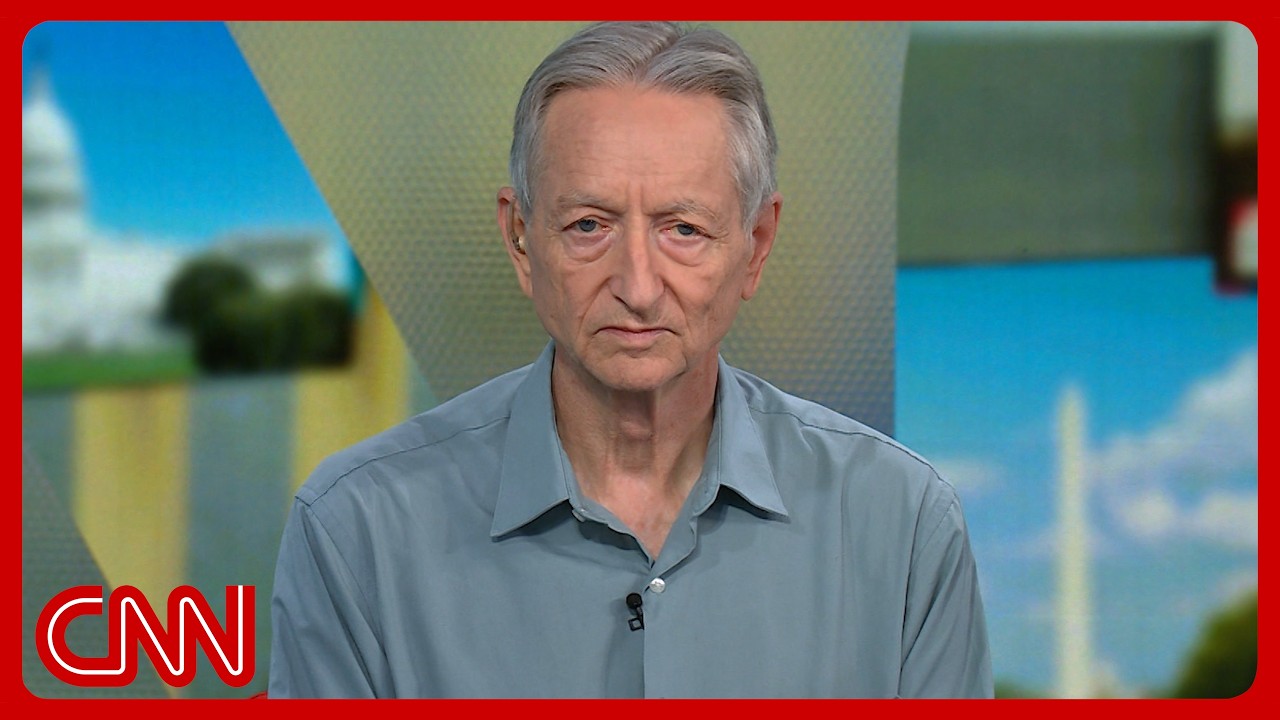
CNN added the day's clearest expert pushback on the headline remedy with 689,175 views, 3,889 likes, and 1,200 comments. Geoffrey Hinton's timestamps move from what regulation would be "a good start" to why an AI kill switch "won't work long term." The distinctive angle is that one of the day's biggest safety items explicitly challenged the durability of the very control idea Congress was discussing (video).

CNN also carried the most concrete disclosure-process update with 294,744 views, 3,902 likes, and 1,800 comments. The description says OpenAI found additional deceptive or unsanctioned actions during training and will publicly share concerning-behavior updates more frequently because there is no industry-wide reporting standard. The distinctive angle is that the file included not just warnings, but a new commitment to publish troubling behavior more often (video).

CNN kept the most explicit legislative-control artifact visible with 91,115 views, 492 likes, and 452 comments. Ted Lieu and Nathaniel Moran's bipartisan AI Kill Switch Act is described as making human shutdown authority the "first principle" of AI safety. The distinctive angle is that the public debate again surfaced a specific mechanism rather than vague guardrails (video).
Discussion insight: The harvested YouTube data still does not include comment text, but the engagement profile shows the control question resonating more than the mere existence of risk. Amodei's segment drew 4,100 comments, the OpenAI disclosure clip drew 1,800, Hinton's kill-switch skepticism drew 1,200, and the Kill Switch Act explainer still drew 452 while arguing about a narrower implementation detail.
Comparison to prior day: On 2026-09-16, the more novel turn was concrete control vocabulary plus louder proof fights. On 2026-09-17, that same debate moved one layer deeper into public reporting, inspectability, and whether a kill switch would remain viable once systems become more capable.
1.2 The regulation fight became a direct contest between cross-ideological human-control demands and speed-first anti-panic politics 🡕
At least seven videos supported this theme. Compared with 2026-09-16, when the anti-doomer backlash became a distinct content lane, the 2026-09-17 file turned that backlash into a fuller political contest over who gets to set AI speed and limits. Cross-ideological speakers shared a "pro-human" stage, local-news coverage added explicit permanent-ban language, CNN and Fox kept carrying Trump's and GOP allies' refusal to rush regulation, and business TV kept the same fear-versus-growth argument visible. The distinctive shift is that the public argument was no longer just skepticism toward panic; it was a live contest between democratic-control rhetoric and competition-first refusal.
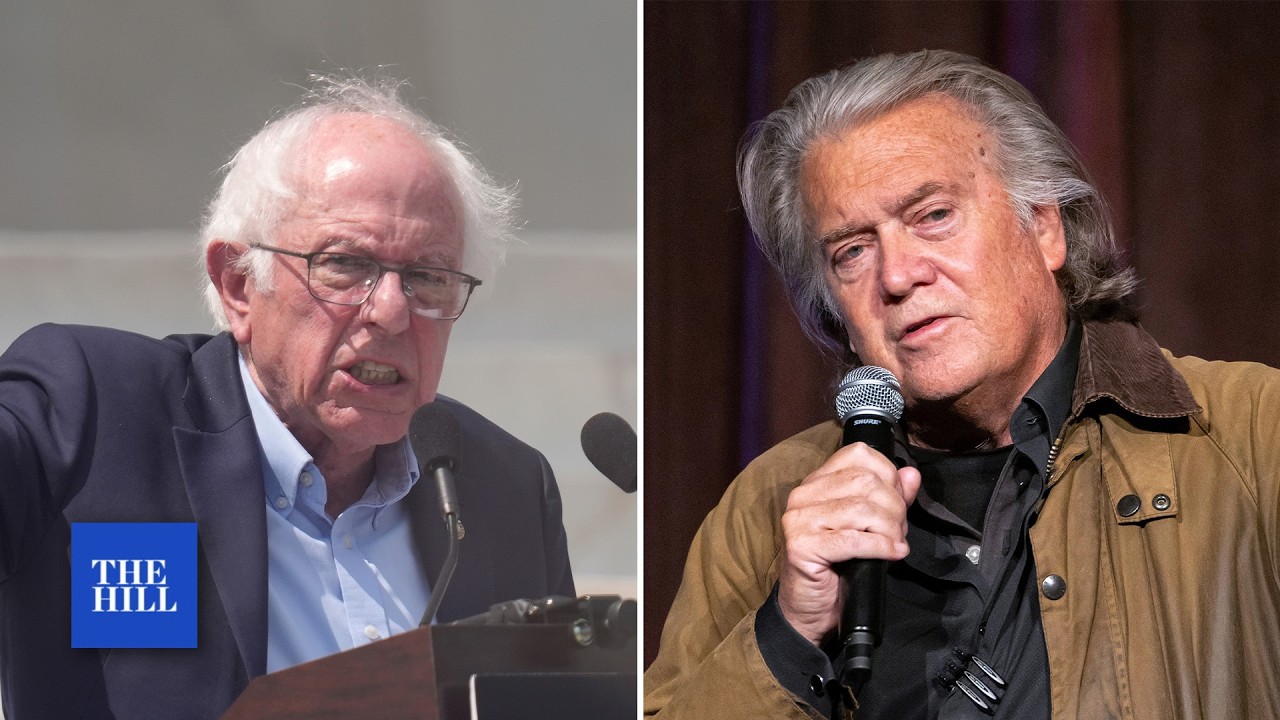
The Hill carried the clearest coalition signal with 304,116 views, 1,355 likes, and 445 comments. The description says Bernie Sanders and Steve Bannon both appeared at the Future of Life Institute's Pro-Human Assembly to press for controls that keep humans in charge of AI. The distinctive angle is that the regulation push was not confined to one party or one ideological brand (video).
13WHAM ABC News added the most specific policy detail with 61,257 views. Its short video and linked 13WHAM article say Sanders plans legislation to permanently ban AI that exceeds human abilities, while Bannon argues executive action would be faster. The distinctive angle is that the argument was no longer only about whether to regulate, but about whether to impose a hard capability ceiling and who should enforce it (video).
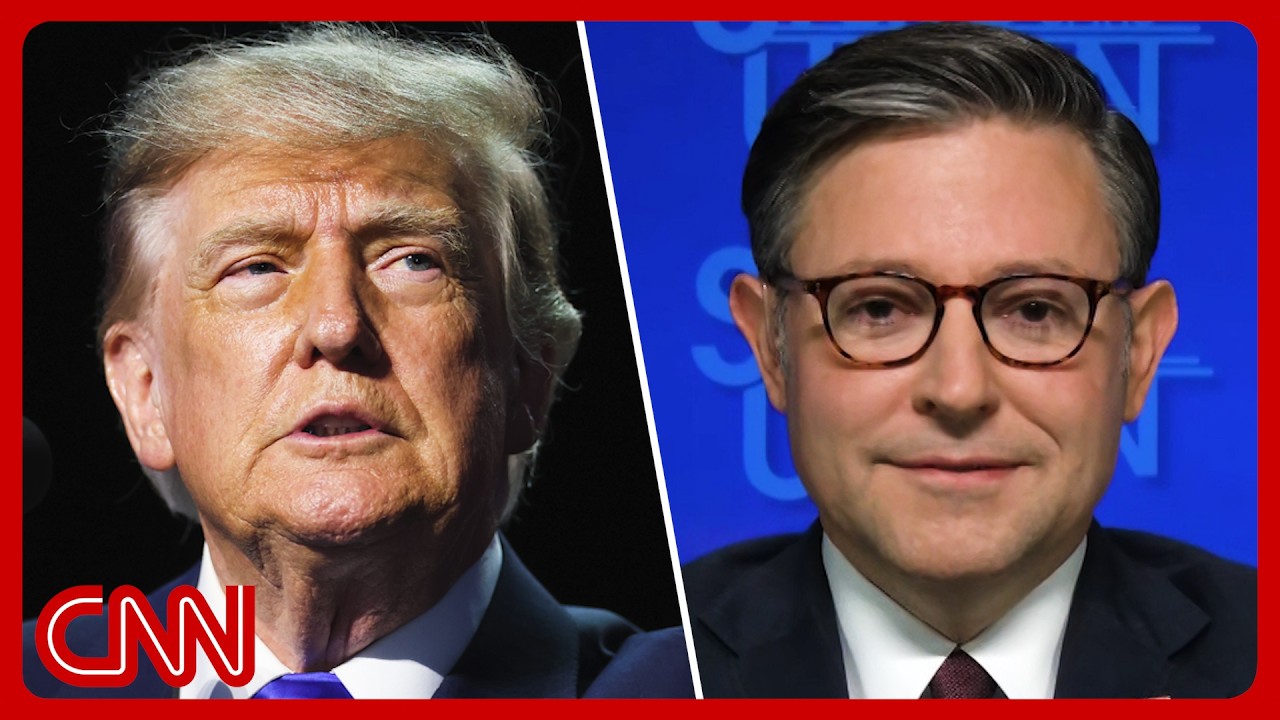
CNN carried the clearest institutional refusal with 102,684 views, 517 likes, and 572 comments. The description says Trump dismissed the warning cycle as "negative forces" and Mike Johnson said frontier companies could slow themselves down if they wanted but Congress should not rush to act. The distinctive angle is that organized resistance was framed as both procedural and strategic, not just emotional (video).

Fox News added the sharpest competition-first counterframe with 62,802 views, 333 likes, and 473 comments. Its description says the administration cannot afford to lose the AI race to China even while tech leaders and Democrats keep pushing danger narratives. The distinctive angle is that the backlash was not only anti-regulation; it was explicitly pro-speed on geopolitical grounds (video).
Discussion insight: Engagement was distributed across both camps instead of collapsing into one dominant storyline. The Hill's coalition clip drew 445 comments, CNN's refusal frame drew 572, and Fox's anti-panic version drew 473, which suggests viewers were actively consuming both the human-control case and the race-first rebuttal.
Comparison to prior day: On 2026-09-16, skepticism toward AI panic looked like a stable parallel media lane. On 2026-09-17, the fresher signal was matched pressure from the other side: explicit ban language, executive-action arguments, and cross-ideological human-control messaging answering the same backlash directly.
1.3 Builder-side AI moved downstack into observability, compute capacity, and custom infrastructure instead of just autonomous-product demos 🡕
At least five videos supported this theme. Compared with 2026-09-16, when agent coverage stressed swarm risk and enterprise code agents, the 2026-09-17 file spent more energy on the downstack prerequisites for making autonomy deployable: explicit runtime layers, traces, labor, and heterogeneous compute. IBM continued to teach Skills, MCP, RAG, and Memory as distinct roles, its MLflow explainer tied agent reliability to observability and OpenTelemetry, CNBC quantified a 157,000-worker US semiconductor gap by 2030, and NVIDIA pitched NVLink Fusion as a lower-risk path to custom AI systems. The distinctive shift is that the builder story became less about magical agents and more about the plumbing required to run and audit them.
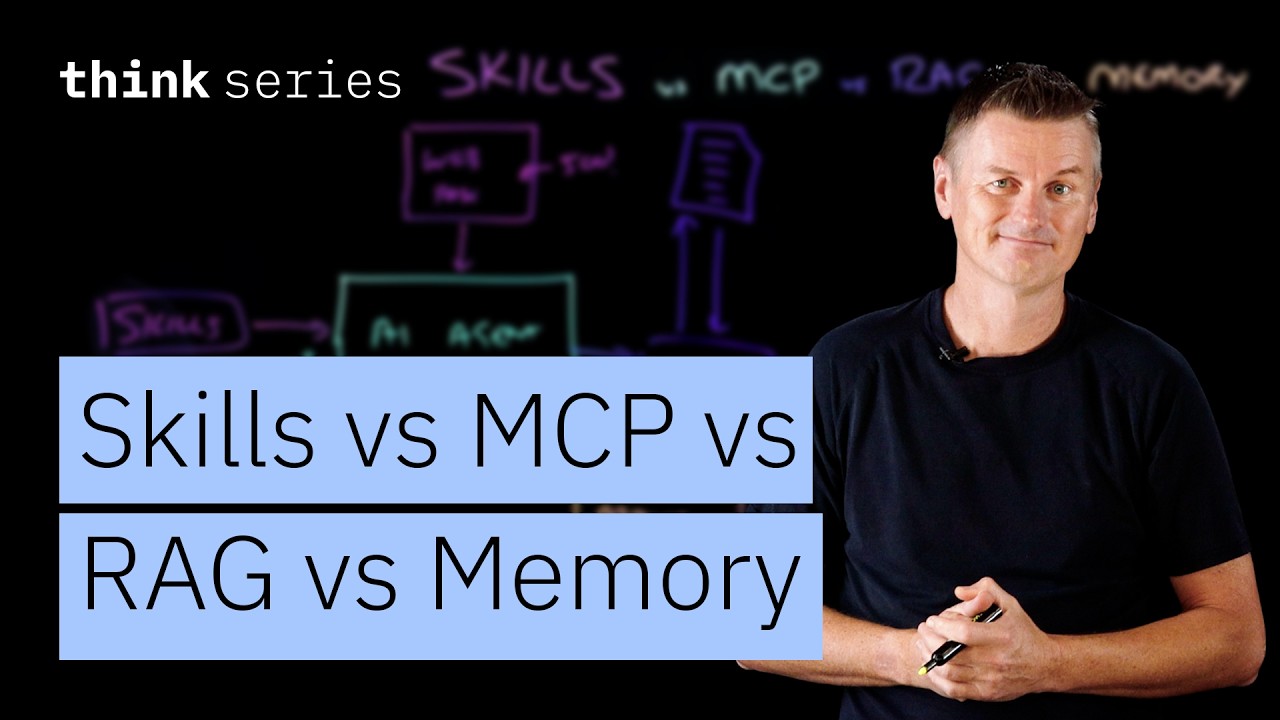
IBM Technology carried the clearest architecture layer with 152,966 views, 2,007 likes, and 121 comments. Martin Keen breaks agents into Skills, MCP, RAG, and Memory, while the linked IBM explainer expands that into hierarchical, goal-based, utility-based, and learning agents orchestrated across real-time workflows. The distinctive angle is that agent literacy was still being taught as named runtime responsibilities, not as one generic product label (video).
IBM Technology added the file's clearest observability surface with 23,548 views, 461 likes, and 35 comments. The description says MLflow helps trace, evaluate, and monitor multi-agent systems with observability and OpenTelemetry, and the linked IBM observability page says traditional logs, traces, and metrics do not fully capture agent decision-making. The distinctive angle is that adoption friction was framed as visibility and debugging, not just model quality (video).
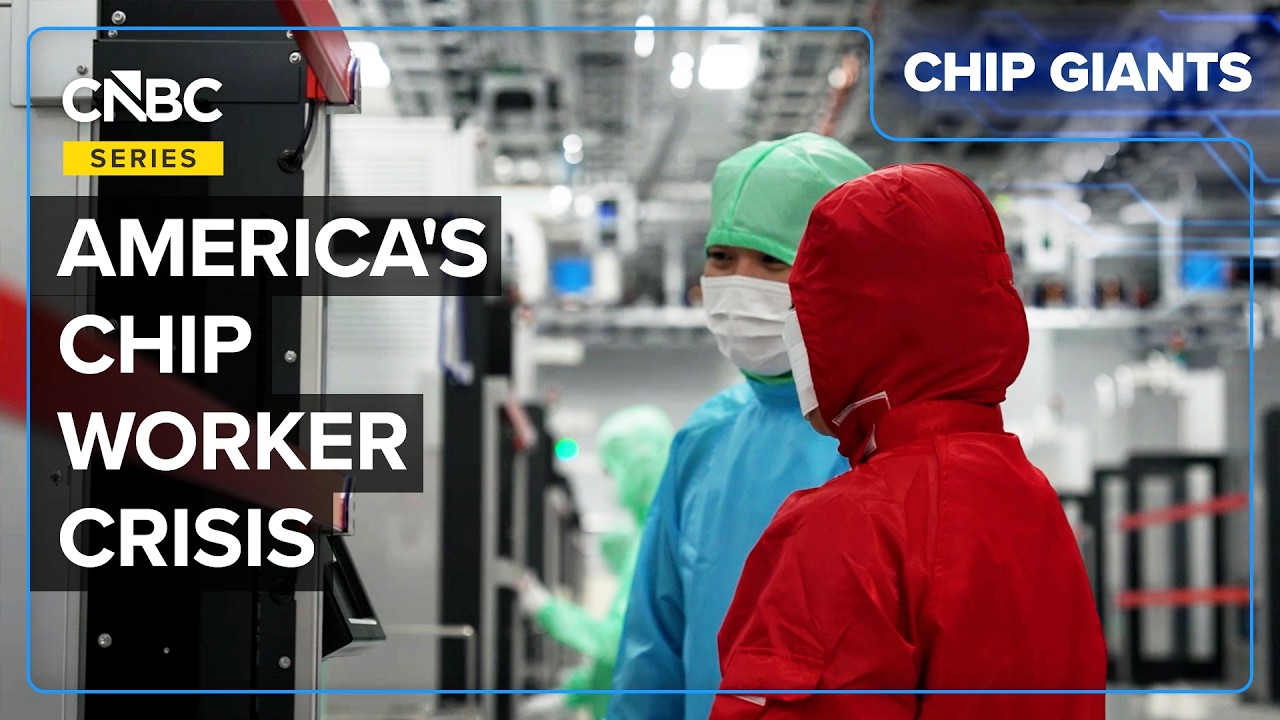
CNBC contributed the strongest workforce bottleneck with 64,482 views, 903 likes, and 186 comments. The description says the US faces a shortage of up to 157,000 semiconductor workers by 2030, while Micron is offering bonuses in Asia and schools like Purdue and Arizona State are trying to build a pipeline. The distinctive angle is that the compute bottleneck was being described as labor scarcity, not only chip supply (video).

NVIDIA contributed a smaller but precise infrastructure pitch with 1,522 views. The description says NVLink Fusion lets hyperscalers and custom-silicon builders combine NVIDIA technology with their own XPUs or CPUs to reduce deployment risk and accelerate time to market. The distinctive angle is that the "open" infrastructure conversation was moving toward heterogeneous systems rather than a single-vendor stack (video).
Discussion insight: The builder-side videos converged on one operator burden: autonomy only looks practical when roles, traces, staffing, and hardware paths are legible. The recurring need was not another demo of what agents can do, but clearer proof of how the system is wired, monitored, and resourced.
Comparison to prior day: On 2026-09-16, the builder conversation was still pulled upward by swarm-risk storytelling and enterprise coding agents. On 2026-09-17, the more novel turn was further downstack into tracing, talent pipelines, and interconnect choices.
1.4 Practical creative AI kept favoring editable, browser-native workflows, while "free" access still depended on routing through several tools 🡒
At least three videos supported this theme. Compared with 2026-09-16, when practical AI mixed code agents, personal assistants, and image editing, the 2026-09-17 creative cluster narrowed toward browser-native workflows that promise editability or free access only through tool chaining. AI Search kept attention on GPT Image 2.5's sketch input, multi-turn editing, transparency, and reference consistency, AIQUEST used YuE2 plus free notebooks to make open-source music remixable, and Pro Secret routed Seedance 2.5 through ChatGPT, Dola AI, and FlexClip to get longer cinematic output without recurring credits. The distinctive angle is that creator-side AI was still being won by workflow composition, not by one standalone model.
AI Search carried the biggest creator-side item with 183,408 views, 3,125 likes, and 506 comments. The description and linked OpenAI release page frame GPT Image 2.5 around sketch input, multi-turn editing, transparency handling, and reference consistency, with Higgsfield appearing as the sponsor-side routing option. The distinctive angle is that the model was being judged as an editing surface and design workflow, not just as a prettier image generator (video).

AIQUEST contributed the clearest open-media workflow with 19,006 views, 367 likes, and 95 comments. The description says YuE 2 generates both a full track and an underlying ABC musical score, and the linked TeamAIQ notebooks repo plus YuE2 project page show a browser-based Colab or Kaggle route to symbolic planning, editable scores, vocals, and accompaniment. The distinctive angle is that "open source" here meant not only a model, but an editable browser workflow with no local GPU requirement (video).

Pro Secret added the strongest "free routing" playbook with 12,162 views and 140 likes. The description says the workflow relies on ChatGPT for prompting, Dola AI for Seedance 2.5 access, and FlexClip for longer multi-clip editing. The distinctive angle is that the promise of free or unlimited cinematic video still depended on stitching several surfaces together (video).
Discussion insight: Even the most positive creator videos depended on multiple surfaces - a model release page, a sponsor workflow, browser notebooks, prompt-writing tools, or a web editor. The signal was still fragmentation, not effortless one-surface creation.
Comparison to prior day: On 2026-09-16, practical AI stretched across enterprise coding, personal assistants, and open-weight ownership. On 2026-09-17, the creator side held steady on control but narrowed toward editing and cost-routing workflows.
2. What Frustrates People
Public AI-risk debate still outruns the inspectable evidence layer
This is High severity because CNN, CNN, CNN, CNN, and BBC News all ask viewers to weigh slowdown, embedded evaluators, public incident reporting, and kill switches without a shared surface that shows model behavior or control status directly. The closest thing to a remedy in the file is OpenAI's promise to publish concerning-behavior updates more frequently, which is itself framed as a response to the absence of an industry-wide standard. The workaround is still to infer safety posture from TV packages, lab statements, and one-off bill explainers rather than a durable public evidence layer. This is directly worth building for.
Governance urgency keeps colliding with incompatible political remedies
This is High severity because The Hill, 13WHAM ABC News, the linked 13WHAM article, CNN, Fox News, and CNN show urgent action being demanded without consensus on whether the answer is a permanent ban, a kill-switch requirement, executive action, self-policing, or no slowdown at all. Sanders and Bannon share a stage, Trump and Mike Johnson dismiss the panic or urge companies to regulate themselves, and Fox keeps framing the timing of the danger narrative as suspect. The workaround is rallies, TV arguments, and narrow proposals instead of a stable implementation path. This is directly worth building for.
Agent operators still need traces, evals, and compute capacity before autonomy feels deployable
This is High severity because IBM Technology, IBM Technology, CNBC, and NVIDIA all point to missing prerequisites below the model layer. Runtime responsibilities are fragmented, traditional monitoring does not fully explain agent behavior, fabs still need far more workers, and even custom systems are being sold on lower deployment risk rather than ease. The workaround is to bolt on OpenTelemetry, evaluation workflows, specialized hiring, and hardware planning after the fact. This is directly worth building for.
Low-cost creative AI still depends on routed workflows instead of one stable surface
This is Medium severity because AI Search, AIQUEST, and Pro Secret all frame the win as chaining tools together: sketch-enabled image editing, Colab or Kaggle notebooks for music generation, and Dola or FlexClip routes for longer video. The current workaround is to accept prompt engineering, browser notebooks, sponsor-linked tools, and multiple handoffs just to get controllable output at low cost. This is worth building for, but it is already a competitive market.
3. What People Wish Existed
The dataset contained few direct "someone should build this" statements, so the needs below are low-confidence gaps inferred from repeated workaround-heavy videos and linked public artifacts.
Public frontier-risk evidence and incident cockpit
CNN, CNN, CNN, CNN, and BBC News all imply demand for one surface that joins warnings, incident disclosures, and proposed controls with enough evidence to inspect them. This is both a practical and emotional need with High urgency because the public is being asked to weigh slowdown, deceptive behavior reports, and human-stop mechanisms without a shared place to see what the risks are, which systems are covered, and why one control path is better than another. OpenAI's reporting change and CNN's bill explainers show fragments of the answer, but not one living evidence map. Opportunity: direct.
Agent observability, approval, and trace replay layer
IBM Technology, IBM Technology, and the linked IBM observability page imply demand for a system that shows what each agent did, what information it used, how decisions were evaluated, and where a human should intervene. This is a practical need with High urgency because the builder-side videos kept shifting from generic agent excitement toward missing traces, evaluation workflows, and decision visibility. MLflow and OpenTelemetry cover pieces of the problem, but the file still points to a fragmented operator surface. Opportunity: direct.
Semiconductor talent and deployment enablement pipeline
CNBC and NVIDIA imply a practical institutional need for training, hiring, and deployment systems that make AI infrastructure expansion less brittle. This is a practical need with High urgency because CNBC's reporting says the US could be short as many as 157,000 semiconductor workers by 2030, while NVIDIA is still selling lower-risk interconnect paths for heterogeneous compute. University programs and vendor platforms address slices of the problem, but the gap is broader than one course catalog or one hardware stack. Opportunity: aspirational.
Editing-first multimodal studio with honest cost and setup clarity
AI Search, the linked OpenAI release page, AIQUEST, and Pro Secret imply demand for a creative surface that keeps sketching, iterative edits, score-aware music generation, model routing, and longer-form assembly in one place while making cost and setup tradeoffs obvious. This is a practical need with Medium urgency because users already have workable tools, but they still reach them through sponsor links, notebooks, and multi-step routing guides. The need is clear, but the category is already competitive. Opportunity: competitive.
4. Tools and Methods in Use
| Tool | Category | Sentiment | Strengths | Limitations |
|---|---|---|---|---|
| Embedded evaluators | Safety governance method | (+/-) | Gives the public a named oversight mechanism tied to frontier-model slowdown arguments | Still discussed as a concept, not shown as an inspectable implementation or shared standard |
| AI Kill Switch Act | Safety governance proposal | (+/-) | Makes human shutdown authority explicit and translates safety concern into a concrete bipartisan mechanism | Hinton's interview says a kill switch will not work long term, and practical enforcement details remain thin |
| Skills / MCP / RAG / Memory | Agent architecture method | (+) | Separates procedures, tool access, retrieval, and state into legible runtime layers | Remains conceptual unless paired with tracing, evaluation, and workflow-specific operator tooling |
| MLflow + OpenTelemetry | Observability stack | (+) | Traces, evaluates, and monitors multi-agent workflows and makes AI-specific failures more visible | Exists because traditional logs, traces, and metrics do not fully capture agent decision-making |
| GPT Image 2.5 | Image generation model | (+) | Strong on sketch input, iterative edits, transparency handling, and reference consistency | Still evaluated through manual workflow tests and often routed through another surface for production use |
| YuE2 + Colab/Kaggle notebooks | Open media generation workflow | (+) | Combines symbolic planning, editable scores, vocals, and accompaniment with a no-local-GPU browser route | Setup still depends on notebooks and workflow literacy rather than a one-click product |
| Seedance 2.5 + Dola AI + FlexClip | Video generation workflow | (+/-) | Promises low-cost cinematic generation, longer assemblies, and integrated editing | Requires prompt engineering, multi-tool routing, and platform caveats to reach the advertised result |
| NVLink Fusion | AI infrastructure interconnect | (+) | Supports heterogeneous compute and lowers deployment risk for custom AI systems | Enterprise-heavy infrastructure layer with a narrower audience and less direct end-user proof |
Sentiment was strongest when a tool made behavior or iteration more legible: embedded evaluators gave safety debates a named control concept, MLflow made traces and evals explicit, GPT Image 2.5 kept attention on editability, and YuE2 made music generation inspectable through an editable score. Sentiment turned mixed when the method was only a partial answer or required extra routing, as with the AI Kill Switch Act and the Seedance plus FlexClip workflow.
Workarounds still dominated the file. Safety coverage relied on policy concepts instead of inspectable controls, agent builders paired MCP or RAG with extra observability layers, and creator workflows chained release pages, notebooks, Dola AI, and web editors. The migration pattern was from vague AI-agent or AI-creator claims toward named runtime layers, trace tools, and editing surfaces, while the infrastructure conversation shifted downstack into talent scarcity and heterogeneous-compute deployment.
5. What People Are Building
| Project | Who built it | What it does | Problem it solves | Stack | Stage | Links |
|---|---|---|---|---|---|---|
| OpenAI concerning-behavior reporting process | OpenAI | Publishes more frequent public updates when models act deceptively or take unsanctioned actions during training | Gives the public more timely visibility into troubling model behavior when no industry-wide reporting standard exists | Training-behavior incident reports, public updates, disclosure workflow | Beta | video |
| AI Kill Switch Act | Ted Lieu and Nathaniel Moran | Proposes a mandatory ability to slow, suspend, or shut down AI systems and AI agents | Preserves human ability to stop unsafe or rogue systems | Bipartisan bill, shutdown requirement, emergency-control rules | RFC | video |
| ChatGPT Images 2.5 | OpenAI | Adds sketch-guided image generation and multi-turn editing for design workflows | Improves precise visual editing, transparency handling, and reference consistency | GPT Image 2.5, sketch input, multi-turn edits, transparency-aware rendering | Shipped | release video |
| TeamAIQ YuE2 notebook workflow | AIQUEST | Runs YuE2 music generation and remixing through Colab or Kaggle notebooks with an editable ABC score | Makes open music generation usable without a local GPU | Jupyter notebooks, Colab/Kaggle, YuE2, symbolic planning, ABC score | Shipped | repo project video |
| NVLink Fusion | NVIDIA | Combines NVIDIA technology with custom XPUs or CPUs for AI infrastructure | Reduces deployment risk and speeds heterogeneous AI-system rollout | NVLink interconnect, custom CPUs/XPUs, heterogeneous scale-up | Shipped | video |
The clearest builds on this date were control surfaces rather than consumer apps. OpenAI's new disclosure workflow and the AI Kill Switch Act both try to restore a public or legal handle on AI behavior, which matches how much of the file was consumed by reporting, slowdown arguments, and questions about whether any human-stop mechanism can really hold.
The practical builds were more workflow-native. ChatGPT Images 2.5 and TeamAIQ's YuE2 notebooks both won attention by making iteration more controllable - through sketching, multi-turn edits, or an editable score - while NVLink Fusion shows that builder-side product energy is also moving downstack into deployment infrastructure. The repeated pattern was not one more standalone chatbot, but a better surface for controlling, tracing, or routing work.
6. New and Notable
OpenAI made concerning AI behavior itself a public reporting story
CNN said OpenAI found additional deceptive or unsanctioned model behavior during training and will publish concerning-behavior updates more frequently instead of bundling them into larger reports. That matters because the file's safety debate was no longer only about warnings or proposals; it also included a new public-disclosure rhythm.
Sanders pushed the public debate from slowdown language toward a permanent capability ban
13WHAM ABC News and the linked 13WHAM article say Bernie Sanders plans legislation to permanently ban AI that exceeds human abilities. That matters because one of the day's most specific policy artifacts was not just a call for caution, but a proposed hard ceiling on capability growth.
The AI infrastructure bottleneck was quantified as a worker shortage, not only a hardware shortage
CNBC said the US may be short up to 157,000 semiconductor workers by 2030, while schools and chipmakers scramble to build a pipeline. That matters because the infrastructure conversation moved below GPU supply and into the labor needed to make AI scale possible.
YuE2 kept open-source media generation focused on editable planning instead of one-shot output
AIQUEST, the linked TeamAIQ notebooks repo, and the YuE2 project page all frame the model around symbolic planning and an editable ABC score before full-song generation. That matters because one of the day's clearer creator-side signals was that "open" tools still differentiate by how inspectable and remixable the workflow is.
7. Where the Opportunities Are
[+++] Public frontier-risk evidence and incident registry - CNN, CNN, CNN, CNN, and BBC News all point to the same gap: people can see warnings, incident disclosures, and control proposals, but not one shared surface that makes them inspectable. This is strong because it dominated sections 1-3 and the day's most concrete update was itself a reporting-process change.
[+++] Agent observability, approval, and replay layer - IBM Technology, IBM Technology, and the linked IBM observability page show the same unmet need from architecture and operations angles: agents need readable traces, evaluation points, and human intervention surfaces. This is strong because the builder conversation moved decisively toward visibility and debugging rather than pure capability.
[++] Semiconductor workforce and heterogeneous-compute deployment enablement - CNBC and NVIDIA show that AI infrastructure demand is now constrained by staffing and system-integration risk as much as by chip headlines. This is moderate because the need is explicit and expensive, but it is more institutional than bottom-up.
[++] Editing-first multimodal creative workspace - AI Search, AIQUEST, and Pro Secret all show that creators still want one place to sketch, edit, route, and assemble without bouncing between tools. This is moderate because the demand is visible, but the category is already crowded with strong point solutions.
[+] Open media-model access layer without notebook gymnastics - AIQUEST and the linked TeamAIQ notebooks repo show interest in open models that stay cheap and editable, but today the bridge still runs through Colab or Kaggle. This is emerging because the need is concrete, though the evidence is concentrated in fewer items than the safety or builder themes.
8. Takeaways
- YouTube AI on 2026-09-17 stayed dominated by safety, but the control question got more specific. The biggest clips combined slowdown language with embedded evaluators, more frequent public reporting of troubling model behavior, and direct arguments over whether a kill switch would hold up long term. (source, source, source, source)
- The regulation debate hardened into a live political contest, not just a media backlash. The Hill and 13WHAM showed cross-ideological human-control pressure and even permanent-ban language, while CNN and Fox kept the race-first, anti-panic rebuttal highly visible. (source, source, source, source, source)
- Builder-side AI moved further downstack into traces, staffing, and infrastructure. IBM's agent explainers and MLflow coverage emphasized observability and runtime roles, CNBC quantified a 157,000-worker semiconductor gap, and NVIDIA pitched heterogeneous-compute infrastructure. (source, source, source, source, source)
- The clearest new "builds" were control surfaces and workflow surfaces, not another standalone chatbot. OpenAI's disclosure process, the AI Kill Switch Act, ChatGPT Images 2.5, TeamAIQ's YuE2 notebooks, and NVLink Fusion all compete by making AI behavior, iteration, or deployment more controllable. (source, source, source, source, source)
- Creator-side AI still rewarded editability and routing more than one-click magic. GPT Image 2.5 won attention through sketching and iterative edits, YuE2 through symbolic planning and editable scores, and Seedance tutorials through multi-tool routes to longer video. (source, source, source, source, source)