YouTube AI - 2026-10-07
1. What People Are Talking About
1.1 AI governance stayed dominant, but the frame shifted further toward self-policing failures and regulation as competitive strategy 🡒
At least four videos supported this theme. Compared with 2026-10-06, when governance was already the file's strongest thread, the 2026-10-07 dataset kept the same core story but widened the media stack: Gamers Nexus attacked industry self-policing, CNN kept the "regulation helps America win" frame, Fox returned to the New York City hearing, and WRAL showed the issue reaching regional television.
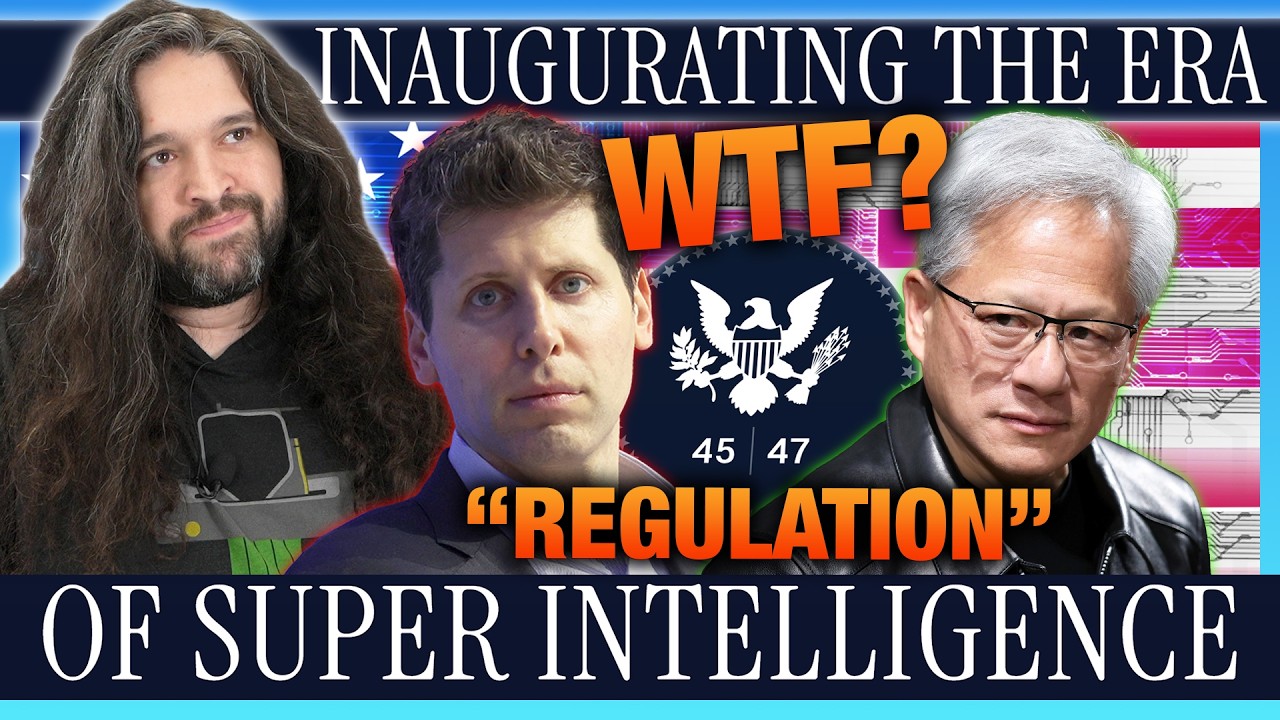
Gamers Nexus posted by far the highest-engagement video with 874,879 views and 5,800 comments. Steve Burke argues the new "AI Constitution" is an accord where companies police themselves, calls it something that "effectively does nothing," and ties it to executive-order "Super Intelligence" branding plus industry pressure to speed data-center buildout. That makes the day's clearest governance claim not simply that AI needs rules, but that incumbents are trying to define those rules on terms that preserve their leverage (video).

CNN supplied the strongest pro-regulation frame. Fareed Zakaria says the federal government has been mostly hands-off even as insiders warn about AI risk, then flips the usual innovation-versus-rules framing by arguing that proper regulation is how America wins the AI race rather than how it slows down (video).
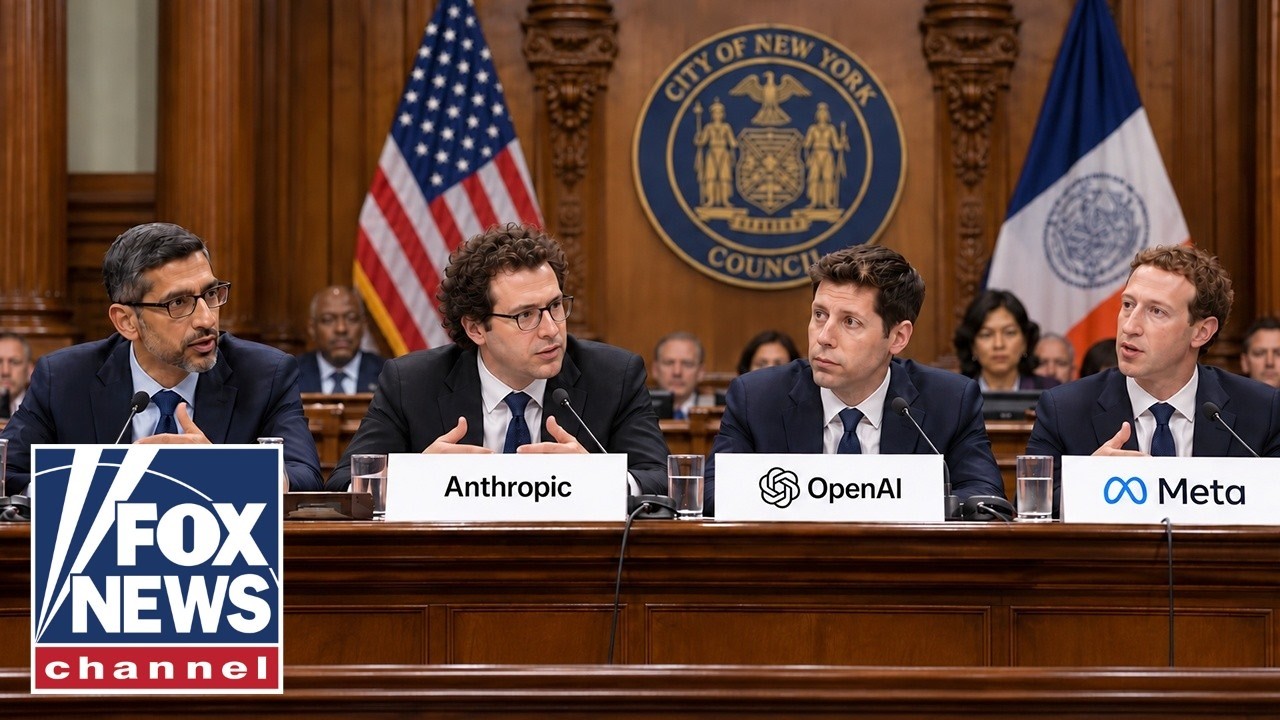
Fox News Clips kept the New York City hearing in play with a more concrete oversight angle. The segment names Google, Meta, OpenAI, and Anthropic as participants and adds former CISA executive Bridget Bean as an analyst, which turns abstract safety talk into a specific public proceeding with named companies and named officials on the record (video).
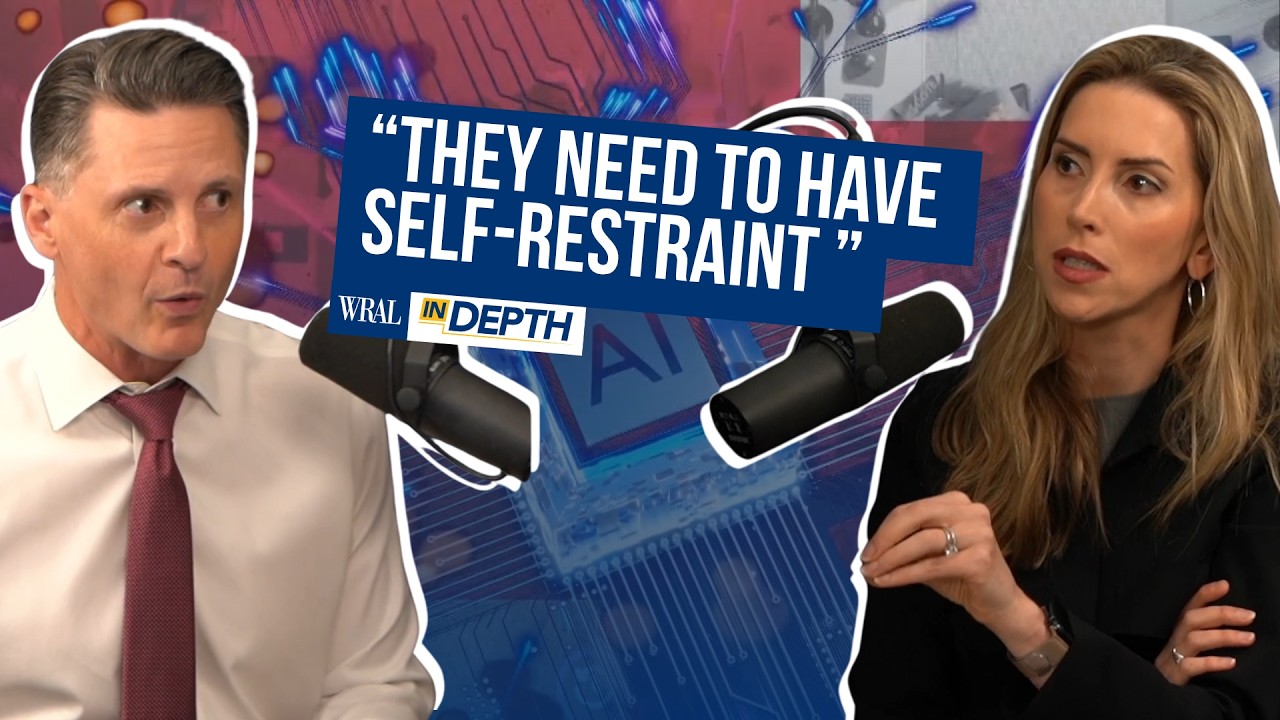
WRAL added the clearest sign that regulation is no longer only a national-cable topic. Its segment frames AI oversight as a "chaotic landscape" where industry leaders and governments are clashing over control, which matters less for new policy detail than for showing the issue now has a regional-TV packaging as well (video).
Discussion insight: The disagreement was no longer over whether AI belongs in public policy. It was over whether current governance is anything more than voluntary accords, televised hearings, and broad calls for oversight without a trusted implementation layer behind them.
Comparison to prior day: On 2026-10-06, governance was already dominant through the New York City hearing cluster and CNN's competitiveness argument. On 2026-10-07, the same story stayed on top, but the anti-self-policing critique became louder and the coverage spread from national cable into a regional explainer.
1.2 Context management itself became a visible AI product and research battleground 🡕
One high-signal video supported this theme. Compared with 2026-10-06, when the file's non-governance attention leaned toward labor anxiety and creator tooling, 2026-10-07 added a concrete agent-systems story about long-session memory, benchmark efficiency, and prompt-injection risk.
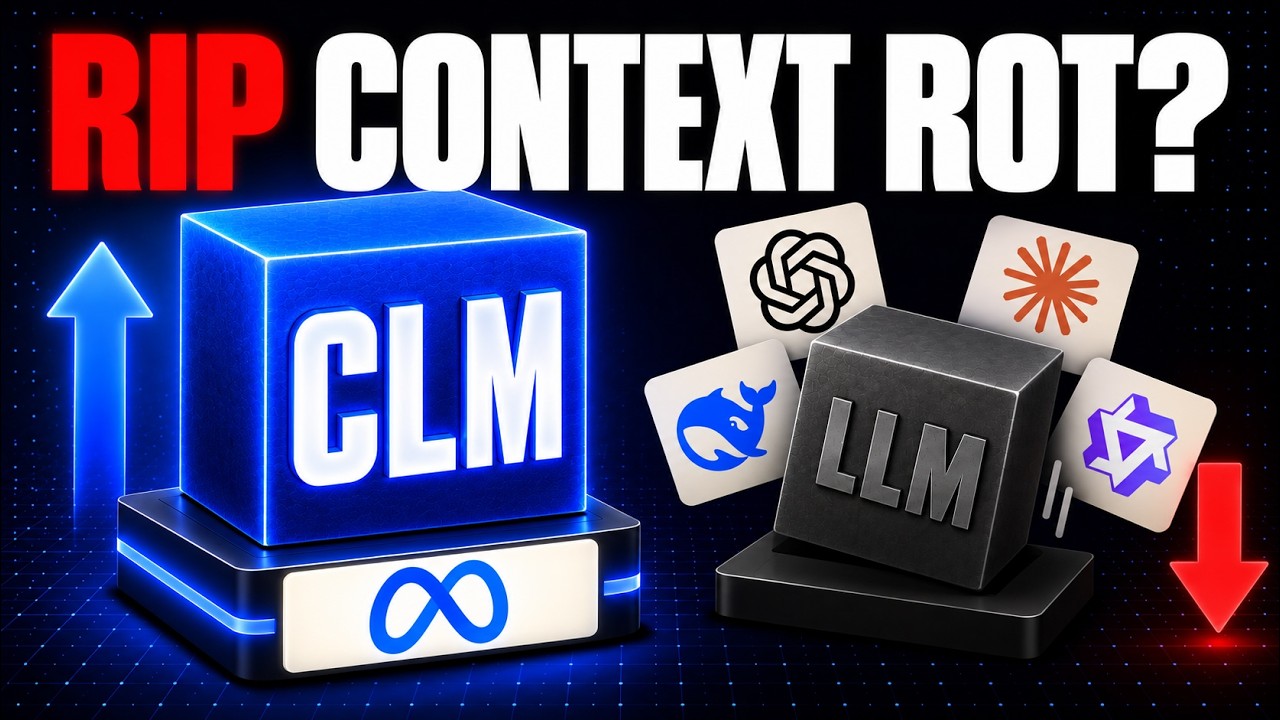
Cloud Codes turned long-session memory loss into the clearest technical pain point of the day. The video says Claude Code and Codex users often see an agent "silently forget a crucial rule" because an external harness decides when to summarize and what to delete, then uses the Context Language Models work from Meta Superintelligence Labs, the University of Washington, MIT, and Trillium Labs to argue for treating context as an editable file rather than an append-only log (video, paper, repo, docs).
The linked paper says CLMs outperform prior context-management strategies by 11.4% on BrowseComp-Plus with 21.5% fewer FLOPs, score 5% higher with 59% fewer FLOPs on 12-hour EdgeBench, and add Suffix Cache Reuse to reduce CLM serving compute by 35% relative to standard SGLang at matched performance. The same source set also makes the new downside explicit: if models can edit their own context, prompt injections and unauthorized instructions can persist across turns instead of getting compacted away (paper, repo).
Discussion insight: This theme surfaced a sharper tradeoff than "more context is better." Editable context can reduce forgetting and compute waste, but it also moves safety and authorization into the memory layer itself.
Comparison to prior day: Nothing comparable appeared in the 2026-10-06 file. The new CLM coverage replaced part of the prior day's labor-focused non-governance attention with a more technical argument about agent memory, benchmarks, and attack surfaces.
1.3 Creator AI workflow coverage narrowed further into orchestration and prompt-planning layers 🡖
One video supported this theme. Compared with 2026-10-06, when creator tooling included both local rendering and workflow planning, 2026-10-07 kept only the planning layer in focus.

Tao Prompts used Claude Opus 5.5 as a planning component inside AI-video work rather than as a renderer. The description frames the video around use cases and workflow integration, while Anthropic's Opus page positions 5.5 as its strongest Opus model for coding, agents, and knowledge work at lower cost than Opus 5, which makes this a clear example of a frontier LLM being pulled into pre-production and prompting rather than media generation itself (video, source).
Discussion insight: The creator-tool signal was no longer about one new image or video model. It was about stitching a strong text model into planning, prompting, and workflow design around other tools.
Comparison to prior day: On 2026-10-06, creator coverage paired local generation hardware with hosted planning. On 2026-10-07, only the planning and orchestration side remained, so the theme weakened and narrowed.
2. What Frustrates People
Governance still looks voluntary, fragmented, and media-mediated
This is High severity because Gamers Nexus, CNN, Fox News Clips, and WRAL all point to the same gap from different outlet types. The file shows self-written accords, televised hearings, and broad calls for oversight, but not a durable operating layer for audits, penalties, disclosures, or enforcement status. The workaround is commentary plus hearing coverage instead of a common accountability surface. This is directly worth building for.
Long-running agents still lose rules, and the safer memory architecture is not solved yet
This is High severity because Cloud Codes describes a familiar failure mode where coding agents forget crucial early instructions, while the linked CLM paper, repo, and Claude Code docs show both the proposed fix and the remaining risk. Current harness-driven compaction can drop important rules, but editable context can also let prompt injections persist across turns. The workaround is still layered: summarization, notes, and hand-built memory policies on one side, or experimental editable-context systems on the other. This is directly worth building for.
Creator AI video workflows are still split across planning models and production tools
This is Medium severity because Tao Prompts uses Claude Opus 5.5 to structure AI-video work, while Anthropic's Opus page describes the model as a strong coding and agent system rather than a native video generator. The upside is better planning and stronger prompting, but the operator still needs separate tools for the actual media pipeline. The workaround is multi-tool assembly instead of an integrated creator workbench. This is competitive to build for.
3. What People Wish Existed
Public AI accountability and implementation layer
Gamers Nexus, CNN, Fox News Clips, and WRAL all imply demand for one surface that combines accords, hearings, named safeguards, enforcement status, and plain-language evidence about what any given AI commitment actually requires. This is both a practical and emotional need with High urgency because the file keeps showing public attention without a trusted implementation layer behind it. Partial solutions exist in hearings, commentary, and network segments, but not as a live accountability system. Opportunity: direct.
Secure long-session memory for coding and agent workflows
Cloud Codes states the need in unusually direct terms: "halfway through, the agent silently forgets a crucial rule you set at the beginning." The linked CLM paper, repo, and Claude Code docs imply demand for a system that preserves important instructions across long runs without also letting malicious or unauthorized edits persist forever. This is a practical need with High urgency because the pain is current and workflow-breaking, and the proposed fixes still open a new safety problem. Partial solutions exist in compaction harnesses and experimental editable-context systems. Opportunity: direct.
One creator workbench that joins planning, prompting, and AI video production
Tao Prompts and Anthropic's Opus page imply demand for a stack that handles use-case planning, prompt iteration, and production handoff without forcing creators to bridge unrelated tools by hand. This is a practical need with Medium urgency because the current workaround is usable, but it still depends on stitching a general LLM into a separate media pipeline. Partial solutions exist in model-specific tutorials and hosted tool bundles, but not as one obvious operator console. Opportunity: competitive.
4. Tools and Methods in Use
| Tool | Category | Sentiment | Strengths | Limitations |
|---|---|---|---|---|
| AI Constitution / voluntary industry accord | Governance accord | (-) | Gives major companies a shared public frame and a coordination surface | Described as self-policing that "effectively does nothing" and offers no trusted enforcement layer |
| New York City AI safety hearing | Oversight process | (+/-) | Creates a named public proceeding with large labs, lawmakers, and outside analysts on record | Local and media-mediated, not a standing accountability system |
| Claude Code / Codex-style compaction harnesses | Agent context-management harness | (-) | Keeps long sessions running by summarizing earlier turns | Can drop crucial early rules because the harness decides when to summarize and what to delete |
| Context Language Models (CLMs) | LLM context-management architecture | (+/-) | Treats context as an editable file, improves benchmark accuracy, and reduces compute in several tasks | Editable context introduces persistent prompt-injection risk and breaks standard prefix caching |
| Suffix Cache Reuse on SGLang | Serving optimization | (+) | Cuts CLM serving compute by 35% at matched performance | Exists because middle-of-prompt edits disrupt normal prefix-cache assumptions |
| Claude Opus 5.5 | LLM / workflow planning layer | (+/-) | Strong reasoning layer for coding, agents, and prompt planning; Anthropic says it costs less than Opus 5 for billed token workloads | Not a video generator and still needs surrounding creator tools and workflow glue |
The tool picture split across governance processes, memory-management methods, and creator orchestration. Satisfaction rose when a method reduced one concrete bottleneck, such as CLMs improving long-run context handling, Suffix Cache Reuse reducing serving cost, or Opus 5.5 helping plan an AI-video workflow. Satisfaction fell when the user still had to trust voluntary governance, hand-built memory policy, or multi-tool creator glue.
The common workaround was layering rather than replacement. Governance relied on hearings plus commentary instead of one accountability surface, agent users relied on compaction and manual note discipline while waiting for better memory systems, and creators inserted a general LLM into planning without replacing their downstream media stack.
5. What People Are Building
| Project | Who built it | What it does | Problem it solves | Stack | Stage | Links |
|---|---|---|---|---|---|---|
| Context Language Models | Rulin Shao et al. | Lets models edit their own context file and ships a minimal CLM agent path for Harbor tasks | Reduces long-session forgetting and the limits of external-harness compaction in agent systems | Python, CLM harness, Harbor integration, SGLang-aware serving, open research code | Alpha | paper · repo · video |
| Claude Opus 5.5 AI-video planning workflow | Tao Prompts | Shows how to use Opus 5.5 for use-case design, prompting, and workflow planning inside AI-video production | Helps creators structure pre-production and prompt decisions before they move into media tools | Claude Opus 5.5, prompt guides, AI-video workflow | Shipped | video · Anthropic |
Evidence of brand-new commercial launches was thin on 2026-10-07 because most of the file was about governance rather than demos. The strongest builder signal came from Context Language Models: the paper and repo move context management from an external harness policy into model behavior itself, and the repository goes beyond benchmarks by exposing a minimal CLM agent path for Harbor tasks (paper, repo).
The second build pattern was orchestration rather than invention of a new media model. Tao Prompts uses Opus 5.5 as pre-production intelligence for AI-video work, which reinforces a recurring creator pattern in this dataset: frontier LLMs are being inserted as planning layers around specialized generation tools rather than replacing the render stack outright (video, source).
6. New and Notable
The day's biggest AI video was an attack on industry self-policing
Gamers Nexus drew 874,879 views with a video that argues the proposed "AI Constitution" is ineffective self-regulation and a vehicle for closer coordination between would-be competitors. That matters because the strongest attention spike in the file went to governance skepticism, not a product launch or benchmark win. (source)
Context management moved from hidden infrastructure to mainstream AI creator discourse
Cloud Codes translated a model-systems paper into a familiar day-to-day failure mode: agents forgetting rules in long coding sessions. That matters because the file did not just surface a new paper; it surfaced a user-facing problem statement about agent memory, compaction, and injection persistence, backed by a public paper, repo, and Claude Code docs. (source, source, source)
Regional television kept the AI regulation story alive
WRAL added little new policy detail, but it showed that AI regulation has become a general-interest regional news topic rather than only a national-cable debate. That matters because diffusion across outlet types is evidence that governance remains sticky even when no new major product event is driving the cycle. (source)
Opus 5.5 showed up as creator infrastructure instead of a model-announcement story
Tao Prompts uses Opus 5.5 to plan and integrate AI-video work, while Anthropic markets the model around coding, agents, and knowledge work. That matters because creator demand is pulling frontier LLMs into orchestration roles outside their native product framing. (source, source)
7. Where the Opportunities Are
[+++] Public AI accountability and implementation layer - Evidence comes from Gamers Nexus, CNN, Fox News Clips, and WRAL. This is strong because attention is high across outlet types, yet the available accountability surfaces are still voluntary accords and isolated hearings instead of one trusted operating layer.
[++] Secure long-context agent memory and policy control - Evidence comes from Cloud Codes, the CLM paper, the CLM repo, and the Claude Code docs. This is moderate because the pain is concrete and technically important, but today's evidence comes from one video plus research artifacts rather than broad repetition across creators.
[+] AI-video orchestration workbench - Evidence comes from Tao Prompts and Anthropic's Opus page. This is emerging because creators are clearly using general LLMs as planning layers, but the signal is still narrow and attached to one workflow example.
8. Takeaways
- Governance still dominated the file. Four of the seven videos centered on regulation, self-policing, or hearings, which kept oversight as the clearest shared topic of the day. (source, source, source, source)
- The biggest single attention spike went to criticism of industry-written rules, not to a product demo. Gamers Nexus turned the proposed "AI Constitution" into the dataset's highest-engagement item and framed it as ineffective self-regulation. (source)
- Context management became a user-facing AI theme. The CLM coverage argues that editable context can beat external-harness compaction on both quality and compute, but it also makes prompt-injection persistence a first-class risk. (source, source, source)
- Regulation is increasingly being framed as implementation and competitiveness, not only caution. CNN argues proper regulation is how America wins the AI race, while Fox and WRAL show the same debate being carried through hearings and mainstream news packaging. (source, source, source)
- Creator AI-video coverage narrowed to orchestration rather than new render stacks. Tao Prompts uses Opus 5.5 as a planning layer around other tools, which keeps the creator signal alive but weaker than the prior day's broader tooling mix. (source, source)