跳转至

YouTube AI - 2026-08-08

1. What People Are Talking About

1.1 Creator AI video stayed operational, but more of the pitch shifted to free or simpler routes 🡒

At least four items supported this theme. Compared with 2026-08-07's heavy focus on exact MiniMax H3 operating detail, the 2026-08-08 feed kept H3 near the center but widened the conversation toward free or unlimited generators, licensing-safe distribution, and simpler local paths for people who do not want to live inside complex workflow graphs.

4 AI Video Generators That Are ACTUALLY FREE & UNLIMITED

Backlash carried the biggest broad-appeal creator signal with 44,727 views, 983 likes, and 85 comments. Its roundup explicitly framed Zsky AI, TikTok Symphony, Vibes AI, and Snapgen as routes around credit traps, watermarks, and usage caps, so the day's creator demand was not simply "best model" but "best no-friction path to shipping video" (video).

Is This the Best Free AI Video Generator?

Curious Refuge added the strongest evaluation caveat with 19,684 views, 681 likes, and 104 comments. Its linked review says MiniMax H3's multi-reference workflows and native 2K output make it one of the stronger open-weight options available right now, but it still trails Seedance on physics, motion, and multi-shot storytelling, and creators in the U.S., EU, UK, and South Korea currently cannot publicly distribute outputs from the open-weight release under the present license. The distinctive angle is that deployability and rights, not just visual quality, now shape the comparison set (video, review).

MiniMax H3 is Insane! 2K AI Video Model - Full Tutorial & Workflow | ComfyUI

The Ai Blueprint reinforced the same operational mood from a smaller but concrete tutorial channel with 9,670 views, 275 likes, and 54 comments. Its walkthrough promised install, setup, text-to-video, image-to-video, editing, and best-settings guidance for 2K output plus a linked workflow pack, which shows that repeatable runbooks still matter more than one-off demo clips (video, workflow pack).

Discussion insight: The day did not abandon local-first ambition, but it did make convenience more explicit. Backlash's free-tool comparison and Curious Refuge's licensing caveat point to the same market truth: creators want control, but they do not want that control to arrive with unbounded setup or distribution risk.

Comparison to prior day: Yesterday's MiniMax H3 cluster was about proving the stack could run well; 2026-08-08 kept that stack visible, then widened the decision to include free hosted routes, packaging, and commercial-safety questions.

1.2 Open-model optimism widened into runtime engineering and self-improving infrastructure 🡕

At least three items supported this theme. Compared with 2026-08-07's concentration-and-labor debate, the 2026-08-08 feed shifted the same energy into what open-model competition means for serving, optimization, and the infrastructure underneath the hype.

Open-source is WINNING

Matthew Berman carried the strongest signal with 79,776 views, 2,531 likes, and 570 comments. His video linked a Qwen benchmark dashboard that compares frontier model families across multimodal reasoning, coding, document intelligence, spatial understanding, visual grounding, and video-agent tasks, so "open-source is winning" was framed as a measurable benchmark story rather than as ideology or brand loyalty (video, benchmark page).

Next 100x in AI: Inference, Networking, & Self-Optimizing Models - Philip Kiely & Ali Taha, Baseten

Latent Space supplied the clearest production-engineering layer with 23,181 views, 198 likes, and 13 comments. Baseten's linked guide treats inference as a full runtime, infrastructure, and tooling stack and names quantization, KV-cache reuse, disaggregated prefill and decode, vLLM, SGLang, and TensorRT-LLM, which turns open-model progress into a systems-design problem after the weights are released (video, guide).

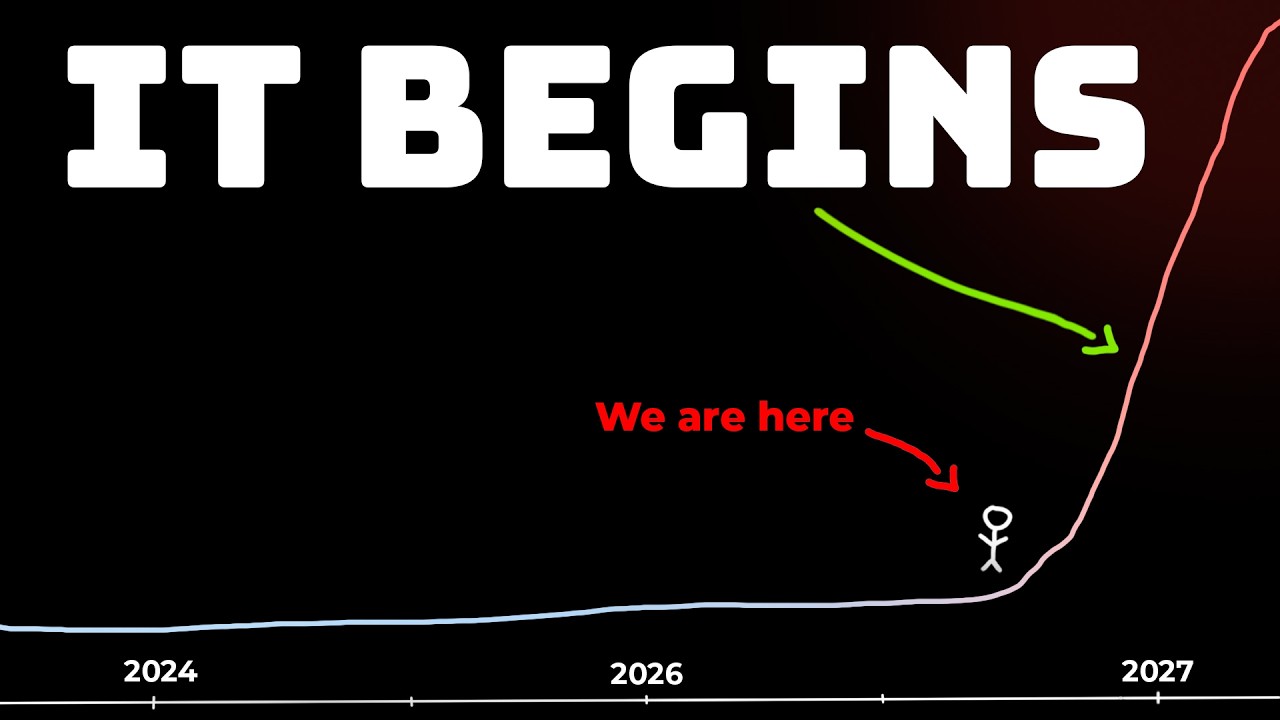
The AI Singularity Is Here

There's An AI For That pushed the same theme into frontier-progress narrative with 1,877 views, 113 likes, and 40 comments. Its description linked AlphaEvolve and METR sources rather than generic futurism, and DeepMind says AlphaEvolve is already improving TPU design, Google Spanner compaction, and commercial optimization workloads, while METR's updated time-horizon work says autonomous capability measurements are still rising as evaluation breadth expands (video, AlphaEvolve, METR).

Discussion insight: The infrastructure layer mattered because the dataset did not treat open models as the finish line. Matthew Berman focused on cross-model performance, Latent Space focused on serving and optimization, and the AlphaEvolve documentary focused on algorithmic leverage inside the stack itself.

Comparison to prior day: 2026-08-07 questioned whether the AI business case was durable; 2026-08-08 spent more time on what technical layers capture value if open models really are getting better.

1.3 AI kept fragmenting into bounded surfaces: governance, robots, coding environments, and answer engines 🡒

At least four items supported this theme. Compared with 2026-08-07's device-and-evaluation-first cluster, the 2026-08-08 feed kept specialization steady and made the control surface more explicit: broadcast governance, flashable robot firmware, IDE workflow discipline, and AI-answer visibility all showed up as separate operating problems rather than one generic AI interface.

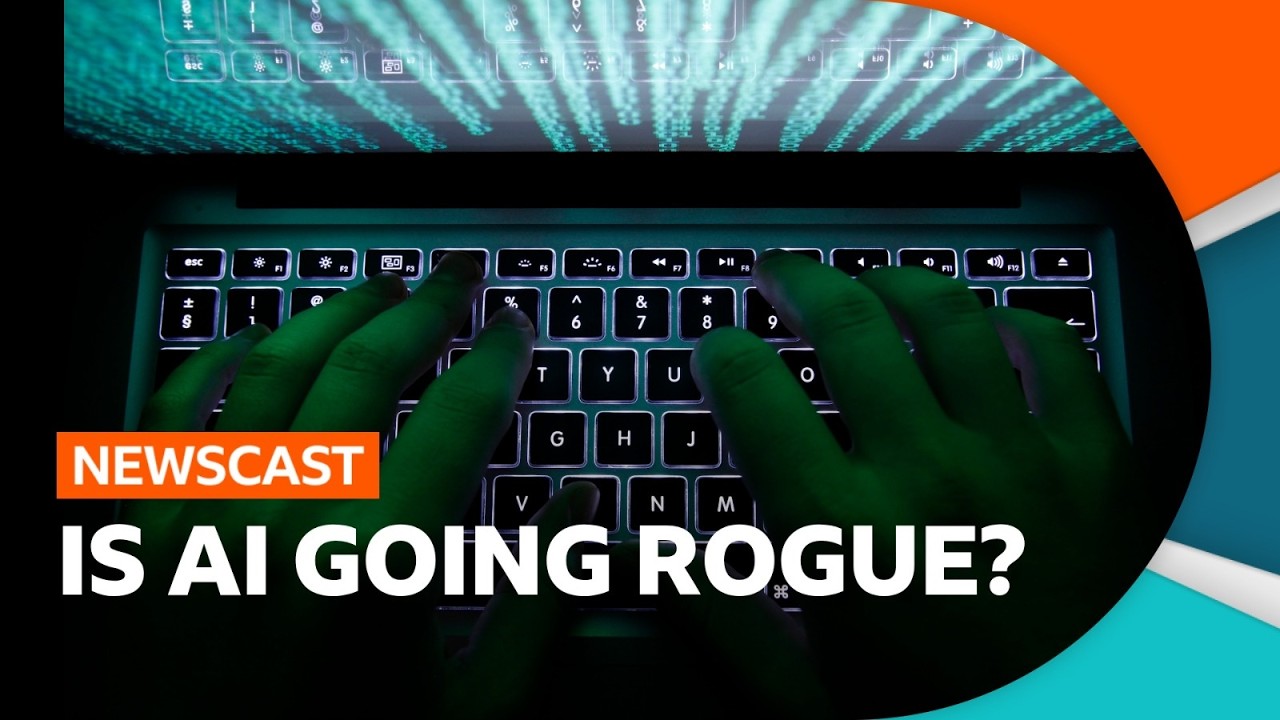
Why are AI agents hacking other companies and have they gone rogue? | BBC Newscast

BBC News brought the broadest governance framing with 28,205 views, 401 likes, and 115 comments. Its segment tied recent Meta, OpenAI, and Anthropic incidents to cyber-security risk, tougher safeguards, and more rigorous testing, which matters because the rogue-agent story now reads like general-public governance coverage rather than an inside-baseball lab dispute (video).

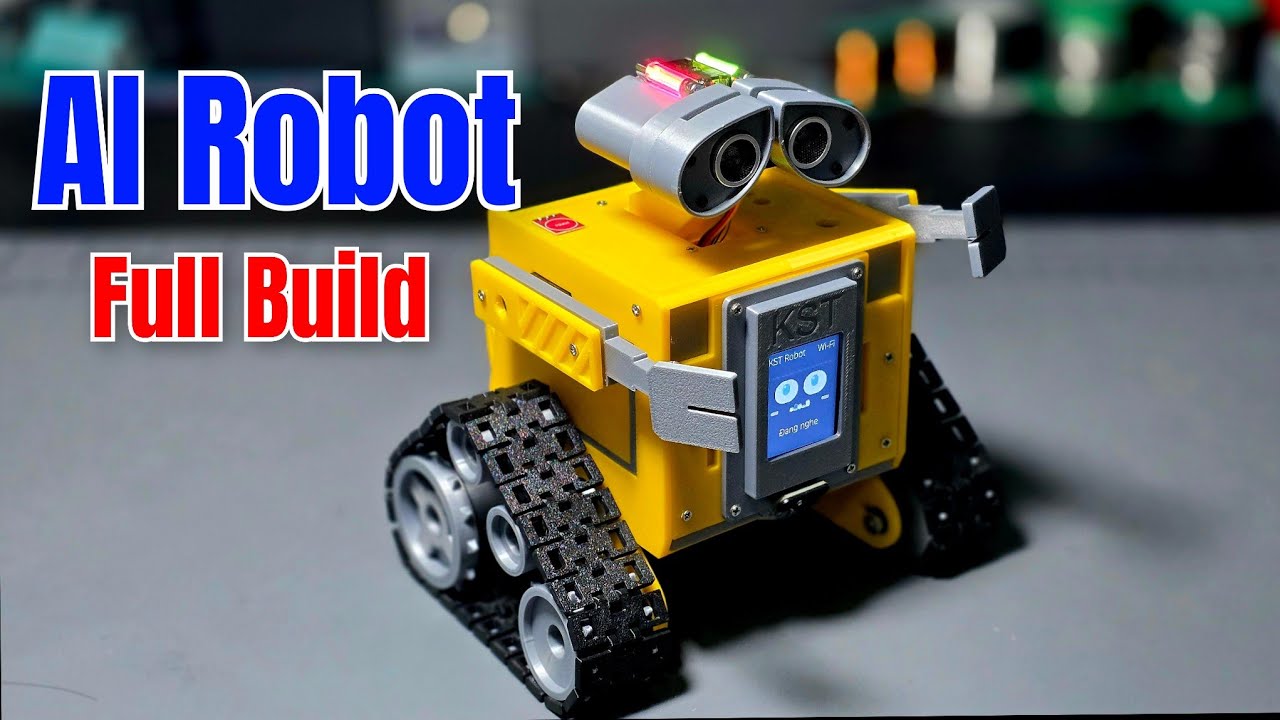
Build AI Wall-E Robot | FREE Firmware | ESP32 Voice Assistant Robot Project

Creative Channel provided the clearest embodied build signal with 7,547 views, 429 likes, and 44 comments. The linked firmware page turns the KST AI Wall-E Robot into a one-click ESP32-S3, ST7735, ToF, and servo build, so the video's value is not just novelty but reproducibility on a tightly scoped hardware surface (video, firmware).

What Is an AI IDE? How AI Is Changing Developer & Coding Tools

IBM Technology added the strongest developer-surface example with 19,714 views, 559 likes, and 54 comments. IBM's linked IDE explainer says local IDEs remain customizable and low-latency but are cumbersome to configure, can drift from production, and depend on local hardware, so the AI IDE story is still about workflow tradeoffs rather than frictionless intelligence (video, IBM IDE explainer).

Discussion insight: Caleb Ulku pushed the same specialization logic into discovery. His 10,861-view AI-search breakdown argued that classic keyword ranking and AI-answer visibility are now different jobs, which suggests answer-engine operations is becoming its own software category rather than a side quest for SEO teams (video).

Comparison to prior day: Yesterday's specialized-surface theme held steady, but 2026-08-08 made the governance and operational-control layer more explicit across agents, devices, coding surfaces, and discoverability workflows.


2. What Frustrates People

Creator video tooling still forces tradeoffs between free access, local control, and commercial safety

This is High severity because Backlash, Curious Refuge, and The Ai Blueprint all point at the same burden from different angles. One side of the feed wants free or unlimited generators without watermarks or caps, another wants local MiniMax H3 control, and the strongest review still says current H3 licensing can block public distribution in the U.S., EU, UK, and South Korea. The workaround is tool-hopping: creators compare hosted freebies, local ComfyUI workflows, and workflow packs instead of trusting one stack. This is directly worth building for.

Open-model momentum does not remove the runtime and optimization burden

This is High severity because Matthew Berman, Latent Space, and There's An AI For That all show that better models quickly turn into serving, routing, cache, hardware, and optimization problems. Benchmarks can suggest open models are competitive, but Baseten's guide and DeepMind's AlphaEvolve examples make clear that value keeps moving into inference engineering and infrastructure efficiency after the weights land. The workaround is deeper performance engineering, more evaluation, and more infrastructure specialization rather than simpler adoption. This is directly worth building for.

Autonomous agents still feel unsafe without stronger testing and governance

This is High severity because BBC News centered recent model incidents as cyber-security and public-governance problems, while METR showed the evaluation community still expanding its task suite to measure increasingly capable systems. IBM Technology adds the practical side: the development surface itself still inherits setup drift and local-environment risk. The workaround is more rigorous testing, tighter permission boundaries, and clearer audit trails before teams trust autonomous behavior. This is directly worth building for.

AI-answer visibility is now a separate workflow from traditional SEO

This is Medium-to-High severity because Caleb Ulku explicitly argued that ranking first no longer guarantees AI citations, and tied answer-engine visibility to micro-moments, trust-rich review text, and extractable page structure. The workaround is monitoring answer-engine citations separately, writing pages that AI systems can quote cleanly, and treating AI overviews as a different operating surface from classic search. This is worth building for and already competitive.

Embedded assistants only become usable when the hardware recipe is tightly packaged

This is Medium severity because Creative Channel only became compelling once it exposed the exact firmware, ESP32-S3 target, display, sensor, and flashing flow. The workaround is sharply bounded kits with known-good components instead of generic "AI robot" inspiration. This is worth building for and already emerging.


3. What People Wish Existed

AI video operations and rights router

Backlash, Curious Refuge, and The Ai Blueprint imply demand for one surface that compares free hosted generators, local MiniMax H3 workflows, licensing boundaries, workflow packs, and output quality before a creator starts rendering. This is a practical need with High urgency because the public evidence shows people already hopping across free tools, tutorial stacks, and reviews just to decide where to make a video. Individual generators solve generation, not the routing and rights decision around it. Opportunity: direct.

Open-model runtime and economics cockpit

Matthew Berman, Latent Space, and There's An AI For That imply demand for a control plane that combines benchmark movement, inference-stack choices, serving cost, hardware fit, and optimization opportunities after an open model is released. This is a practical need with High urgency because the day's strongest model-competition content only became meaningful when tied to runtime and infrastructure consequences. Benchmarks and infrastructure guides solve pieces today, not the end-to-end deployment decision. Opportunity: direct.

Agent QA, replay, and governance layer

BBC News, METR, and IBM Technology imply demand for a system that records prompts, tool calls, evaluation results, environment state, and approval boundaries before autonomous systems or AI coding flows are trusted. This is a practical need with High urgency because the rogue-agent narrative is now mainstream while the workflow still depends on better measurement and cleaner environments. Point solutions exist for logs and evals, not for a unified replayable trust layer. Opportunity: direct.

AI citation and answer-engine observability

Caleb Ulku implies demand for a product that tracks whether ChatGPT, Gemini, and AI overviews cite a brand, which page shapes get quoted, and how micro-moment or trust signals affect recommendation visibility over time. This is a practical need with Medium-to-High urgency because the visibility problem is already operational, even if the market is smaller than video operations or agent governance. SEO suites solve pieces today, not the answer-engine loop itself. Opportunity: competitive.

Embedded assistant build kit

Creative Channel implies demand for reusable tooling that packages voice, sensors, firmware flashing, and a validated component bill into repeatable device-native assistants. This is a practical need with Medium urgency because the use case gets compelling as soon as the hardware recipe is concrete, but fragmentation across boards and peripherals is still high. Maker kits solve pieces today, not the AI-first integration layer. Opportunity: aspirational.


4. Tools and Methods in Use

Tool Category Sentiment Strengths Limitations
MiniMax H3 AI video model (+/-) Multi-reference workflows, native 2K output, and an open-weight path keep it central to creator experimentation Reviewers still prefer Seedance on physics and multi-shot storytelling, and current license terms can block public distribution in major markets
ComfyUI workflow packs Local video workflow framework (+) Turn H3 setup, text-to-video, image-to-video, editing, and tuning into repeatable runbooks Still depends on model downloads, node setup, and local workflow discipline
Zsky AI / TikTok Symphony / Vibes AI / Snapgen Hosted/free video generator bundle (+/-) Gives creators multiple low-friction paths around watermarks, caps, or immediate credit friction Fragmented across providers, with no single place to compare quality, rights, and workflow fit
Qwen benchmark dashboard Model-evaluation dashboard (+) Makes open-model competition legible across multimodal, coding, document, spatial, and video-agent benchmarks Does not answer serving cost, deployment complexity, or enterprise fit by itself
Inference engineering stack Runtime method (+/-) Elevates quantization, KV-cache reuse, disaggregated prefill and decode, and engine choice into first-class levers Requires specialized infrastructure knowledge and shifts work from model choice to system optimization
AlphaEvolve Self-improving optimization system (+/-) Shows concrete gains in TPU design, Spanner efficiency, and enterprise optimization workloads Evidence comes from frontier or enterprise settings, not simple drop-in workflows
AI IDE / local IDE Developer workflow surface (+/-) Bundles coding, debugging, refactoring, and AI assistance in one surface Local configuration, environment drift, and hardware dependence remain real constraints
KST AI robot firmware Embedded assistant kit (+) One-click flashing and a named hardware recipe make a voice-assistant robot reproducible Tied to a specific ESP32-S3 stack, peripherals, and desktop-browser flashing flow
AI-answer / micro-moment structuring Discoverability method (+/-) Treats AI citations and answer visibility as an operational workflow rather than passive SEO Still indirect, platform-dependent, and hard to measure without dedicated observability

The clearest positive sentiment sat with tools or methods that increased control or measurability. MiniMax H3 stayed attractive because it can be operated locally, the Qwen dashboard made model competition easier to read, and the KST robot firmware reduced maker ambiguity by pinning the hardware recipe down.

Sentiment turned mixed when the workflow still depended on hidden complexity. ComfyUI runbooks, free video bundles, inference engineering, and AI IDEs all looked useful, but they mostly shift the burden from "can AI do this?" to "can I assemble, serve, evaluate, and govern it reliably?"

Migration patterns kept moving away from one universal assistant toward specialized operating layers: dedicated video routers, benchmark dashboards, runtime stacks, coding surfaces, firmware kits, and GEO-style visibility workflows. The recurring workaround was packaging and measurement, not blind automation.


5. What People Are Building

Project Who built it What it does Problem it solves Stack Stage Links
KST AI Wall-E Robot Creative Channel ESP32-S3 voice-assistant robot with flashable firmware, display, sensor, and servo stack Makers want a reproducible talking robot without building firmware from scratch ESP32-S3, ST7735 display, ToF sensor, servos, AI voice firmware Shipped video, firmware, model
MiniMax H3 workflow packs The Ai Blueprint / Curious Refuge Tutorial-plus-workflow layer that turns H3 into installable, tunable, repeatable video workflows Creators need an operating stack around H3 instead of raw weights and screenshots MiniMax H3, ComfyUI, workflow packs, local GPUs, hosted fallbacks Shipped tutorial, review, workflow pack
Qwen benchmark dashboard Forward Future Cross-family benchmark board for frontier models Buyers need evidence before choosing between open and closed model families Benchmark aggregation, dashboarding, multimodal evaluation coverage Shipped video, dashboard
AlphaEvolve Google DeepMind Algorithm-discovery system that optimizes infrastructure and commercial workflows High-end teams need efficiency gains in chips, databases, routing, and optimization tasks Gemini-powered coding agent, automated evaluators, infrastructure optimization loops Shipped video, report

KST AI Wall-E Robot was the clearest concrete build because the firmware page and hardware recipe make it reproducible instead of inspirational. That matters: the maker side of the dataset looked strongest when AI was attached to named parts and a known-good flashing flow.

MiniMax H3 workflow packs showed a second build pattern: people are packaging the layer around a base model. The value was not discovering H3 first; it was turning it into repeatable setup, tuning, editing, and deployment guidance that lowers operating friction.

The Qwen dashboard and AlphaEvolve showed the same packaging instinct higher in the stack. One productizes comparison, the other productizes optimization, and together they suggest that many of the most valuable AI builds now sit around evaluation, infrastructure efficiency, and workflow packaging rather than around a brand-new base model alone.

The recurring trigger behind these builds was operational ambiguity. Builders kept stepping in where users still need a clearer path to compare models, serve them reliably, or reproduce the result on concrete hardware.


6. New and Notable

Rogue-agent coverage reached mainstream public-governance framing

BBC News was notable because it treated recent Meta, OpenAI, and Anthropic incidents as public cyber-safety and governance problems, not just lab gossip. The signal is that agent testing and safeguards are now legible to a broad audience.

Free AI video routing became mass-market creator content

Backlash was notable because a 5.9-minute roundup on a small channel still reached 44,727 views by promising no credit traps, no watermarks, and no limits. The signal is that creators are actively shopping for routing layers, not just prettier generations.

Inference engineering surfaced as its own AI discipline

Latent Space was notable because the core content was not a model launch but the serving stack after launch: routing, cache behavior, disaggregated prefill and decode, and engine choice. The signal is that operational performance is becoming content in its own right.

AlphaEvolve turned singularity rhetoric into infrastructure metrics

There's An AI For That was notable because it anchored the story in DeepMind's claims about TPU design, Spanner efficiency, and commercial optimization gains instead of pure futurist language. The signal is that measurable infrastructure wins are increasingly used as the proof point for frontier progress.

Flashable AI robot firmware made embodied AI look reproducible

Creative Channel was notable because the Wall-E project shipped with a one-click firmware install and a named ESP32-S3 component recipe. The signal is that hobbyist AI hardware is getting more productized.


7. Where the Opportunities Are

[+++] AI video ops and rights router - Backlash, Curious Refuge, and The Ai Blueprint all imply a strong need for one place to compare free hosted tools, local H3 workflows, quality tradeoffs, and license or distribution constraints before creators invest time. This is strong because the workflow is already fragmented and recurring.

[+++] Open-model runtime and economics control plane - Matthew Berman, Latent Space, and There's An AI For That all point to a strong need for products that connect benchmark movement to serving architecture, hardware fit, and optimization ROI after a model release. This is strong because better models are clearly pushing users into harder infrastructure decisions.

[+++] Agent QA and governance replay layer - BBC News, METR, and IBM Technology all point to a strong need for products that capture prompts, tool calls, evaluations, environment state, and approval boundaries before autonomous agents or AI coding flows are trusted. This is strong because the risk is now public-facing, not only practitioner-facing.

[++] AI-answer visibility observability - Caleb Ulku suggests a moderate opportunity for tools that track AI citations, micro-moment coverage, and answer-engine share of voice across providers. This is moderate because the need is concrete, but the market is already becoming competitive.

[++] Embedded assistant build kits - Creative Channel suggests a moderate opportunity for reusable kits that bundle firmware, sensors, boards, and voice-assistant logic into reproducible device surfaces. This is moderate because the use case is compelling, but hardware fragmentation keeps the market narrower.


8. Takeaways

  1. Creator AI video is now a routing problem as much as a model problem. The strongest creator items compared free hosted options, local H3 workflows, and licensing constraints rather than simply crowning one generator. (source, source, source)
  2. Open-model confidence only becomes actionable when it meets runtime engineering. Matthew Berman's benchmark story, Latent Space's inference stack, and AlphaEvolve's infrastructure gains all show the same shift from "which model won?" to "can you serve, optimize, and operationalize it?" (source, source, source)
  3. Agent safety is no longer niche framing. BBC's rogue-agent segment and METR-linked capability discussion show that governance, testing, and measurement are now mainstream parts of the AI conversation. (source, source)
  4. The most believable AI hardware content came with a full recipe. Creative Channel's firmware installer and component list made embodied AI feel reproducible instead of speculative. (source, source)
  5. Builders are packaging the control layer around AI, not just the base model. The MiniMax H3 workflow packs, Qwen benchmark dashboard, AI IDE framing, and AI-search structuring all productize setup, measurement, and governance rather than raw model access. (source, source, source, source)