Twitter AI Coding - 2026-09-27
1. What People Are Talking About
1.1 Reusable agent infrastructure moved closer to packaged skills, worktrees, and hosted runtimes (🡕)
Today's Copilot and Codex discussion was less about one new model and more about the surrounding operating layer. At least five items supported the theme: GitHub's guide to parallel sessions, excitement around the official OpenAI skills catalog, Filecoin's cross-agent publish skill, Microsoft's Home/Code/Autopilot rollout with Managed Runtime, and a lower-engagement but precise reminder that Copilot code review already moved onto an agentic architecture earlier this year.
@github showed (123 likes, 30 replies, 18,706 views, 38 bookmarks) that the GitHub Copilot app can run several agent sessions at once, with each session on its own Git worktree and with separate context. The linked GitHub blog post says the goal is to let people start a new session whenever they want and leave earlier ones undisturbed. The replies mattered because they immediately turned the feature into an ergonomics debate: isolation solved overlap, but not the higher-level job of remembering what all the agents are collectively trying to do.
@RoundtableSpace amplified (55 likes, 12 replies, 44,131 views, 60 bookmarks) the official openai/skills repository, and the screenshot made the community pitch obvious: “write once, use everywhere.” The useful nuance from the repo itself is that OpenAI still presents skills as reusable folders of instructions, scripts, and resources, but the current README also marks the repo deprecated in favor of newer plugin examples, which turned the discussion into more than simple cheerleading.
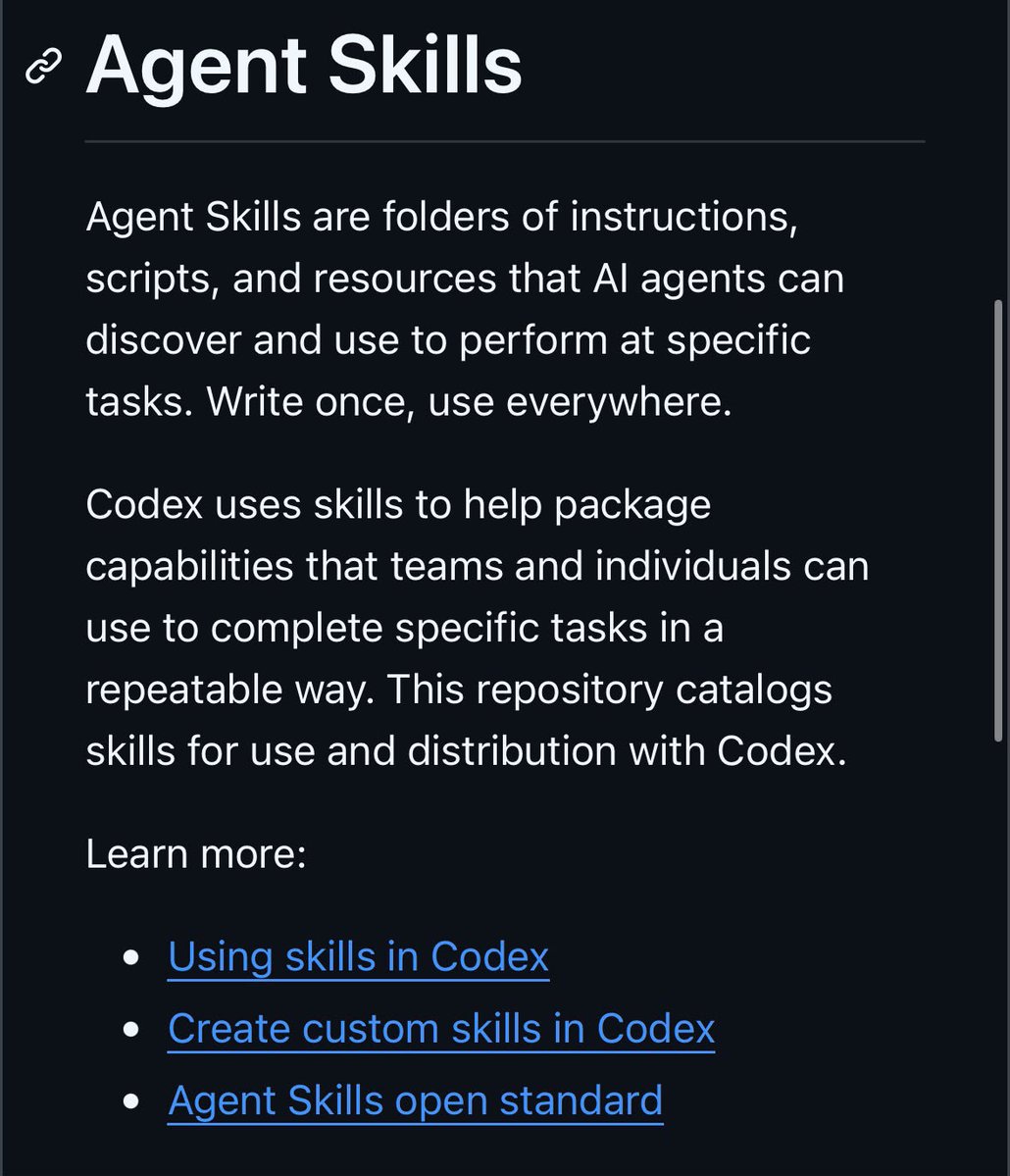
@Filecoin argued (134 likes, 6 replies, 7,601 views, 6 bookmarks) that persistent storage should also be portable across shells. The public filecoin-skills README says the stable publish skill can take any local file or folder and return a public verified CID link, using the same install flow across Claude Code, Codex, Cursor, Gemini CLI, GitHub Copilot, and OpenCode. That matched the strongest reply pattern: the community cared less about the storage brand than about a repeatable, cross-agent handoff that turns generated work into a durable artifact.

@DumbEinstein summarized (1 like, 1 quote, 53 views) Microsoft's new Copilot app around Home, Code, and Autopilot. The official Microsoft announcement plus the Managed Runtime post back up the specific claims circulating in the feed: Code is powered by GitHub Copilot technology, Managed Runtime hosts generated apps inside the Microsoft 365 tenant boundary, and Autopilot is a cloud-hosted persistent agent with its own identity, memory, computer, and workspace. A smaller but useful companion post from @tompeakycoder argued (2 likes, 2 replies, 37 views) that GitHub's code-review architecture needed the same wider repository context if autonomous coding was going to stay credible.
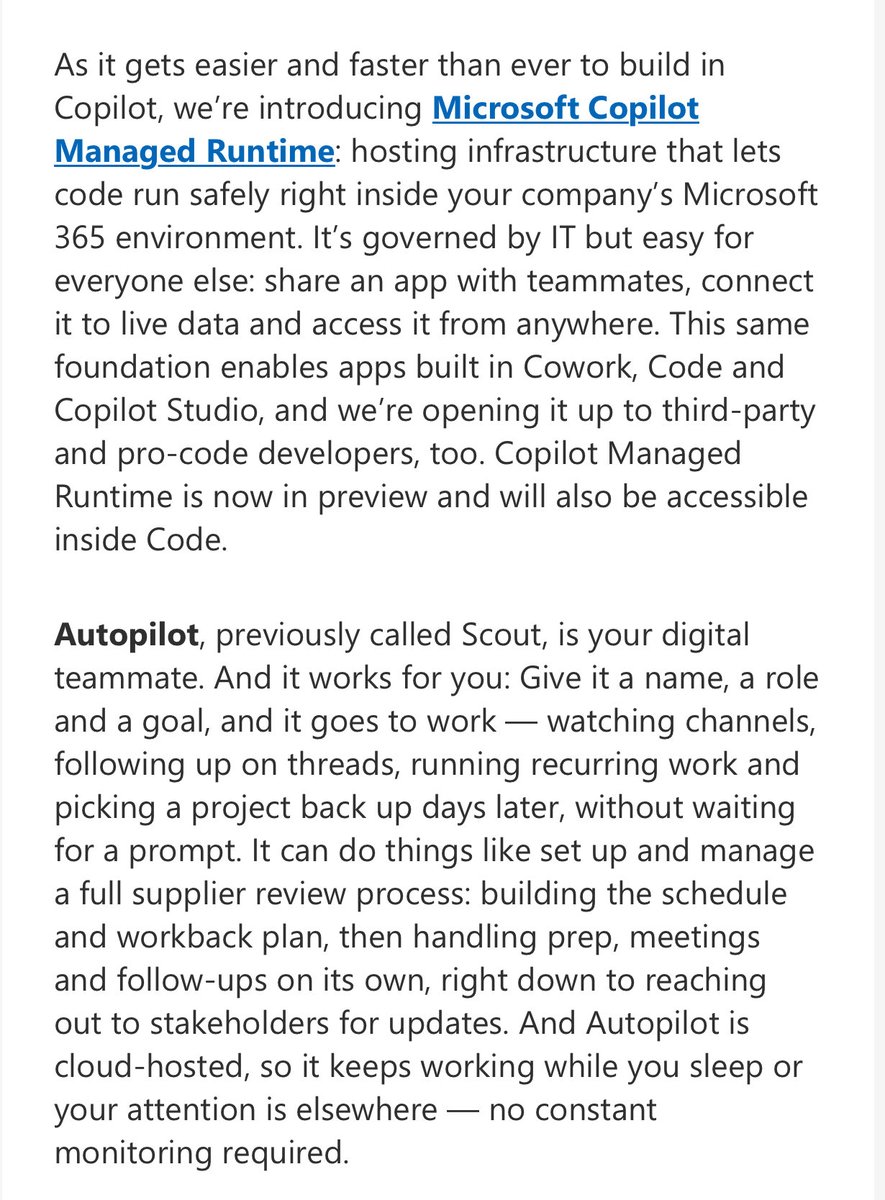

Discussion insight: The common request was no longer “give me one smarter model.” It was “make the surrounding runtime portable, inspectable, and durable across sessions, skills, and deployment boundaries.”
Comparison to prior day: September 26 already emphasized Microsoft's harness unification and tenant-hosted runtime story. September 27 pushed that one level deeper into reusable skills, cross-agent installs, worktree isolation, and repo-context review.
1.2 Review and CI overhead became the main “after the agent runs” story (🡕)
The strongest practical theme in the feed was that generation speed keeps moving the pain downstream. At least six items supported the theme: Nick Dobos on stacked PRs and CI spend, Michael Jovanovic's GitHub runtime rewrite summary, Jev Code Reviewer, Verity's new code-map work, firsthand complaints about Copilot's agent-merge UX, and a popular prompt pattern built around forcing models to label what they actually verified.
@NickADobos called (100 likes, 10 replies, 16,206 views, 41 bookmarks) stacked PRs a “dark pattern,” arguing that code written “100x faster” can still explode CI usage once teams run bots and checks over many small dependent pull requests. The quoted source was @Altimor's complaint that CI had become the top bottleneck and that runner spend was “stratospheric.” The best replies did not deny the problem; they reframed it as an infra design issue, with requests for DAG-shaped stacks, remote caching, and concurrency queues.
@mjovanovictech shared (67 likes, 12 replies, 5,279 views, 49 bookmarks) the more extreme version of the same tension: GitHub's Copilot runtime moved from TypeScript to Rust with heavy agent assistance, up to 21x faster in process, while “nobody read every line.” The replies were notable because they corrected the most viral simplification—this was not literally a solo miracle by an average engineer—without challenging the broader lesson that review practice is no longer keeping pace with change volume.
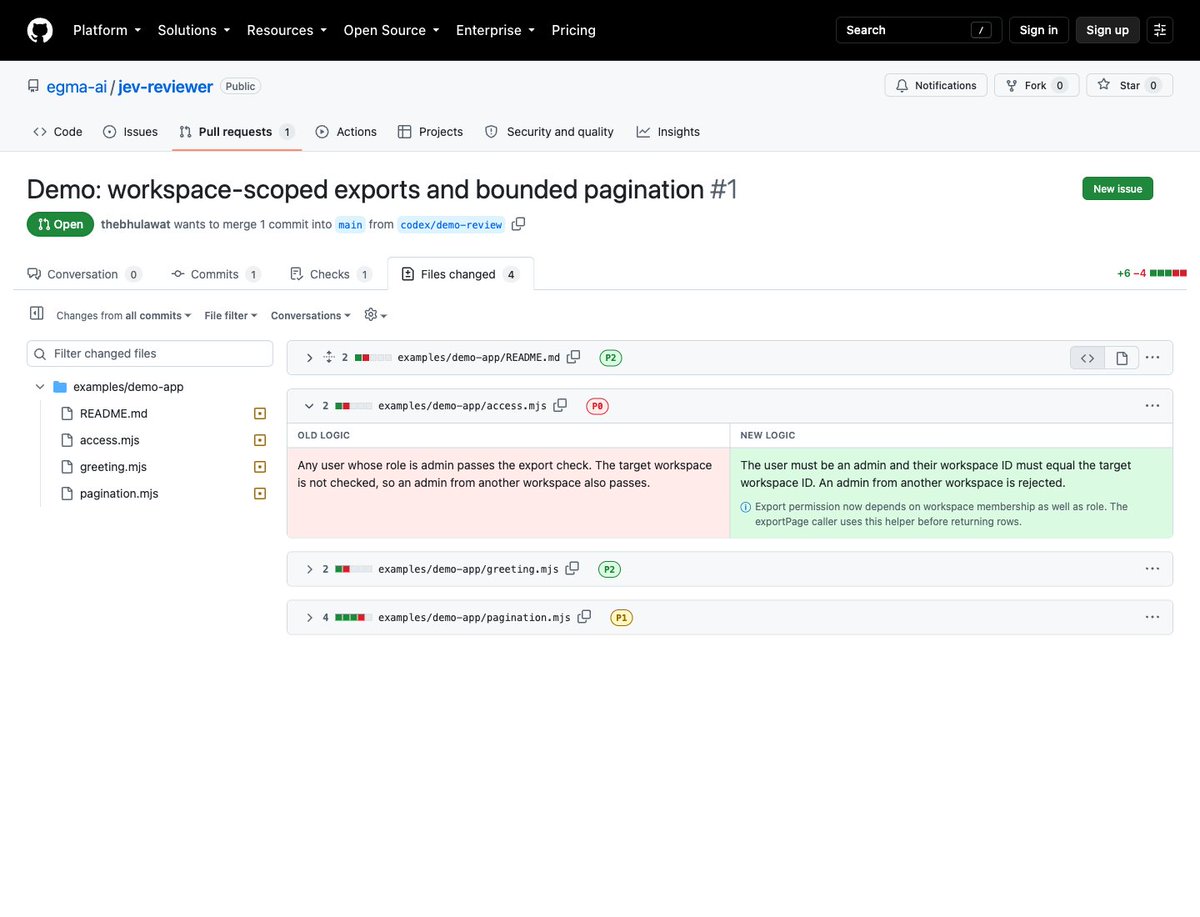
@tonysimons_ highlighted (7 likes, 5 replies, 474 views, 4 bookmarks) Jev Code Reviewer, a local tool that ranks agent-written changes P0/P1/P2 so humans can open the most important logic first instead of reading a 230-file PR in path order. The repo README confirmed a key limitation surfaced in replies: by default it analyzes the first 12 change units, so it is explicitly a prioritization layer, not magic full coverage.
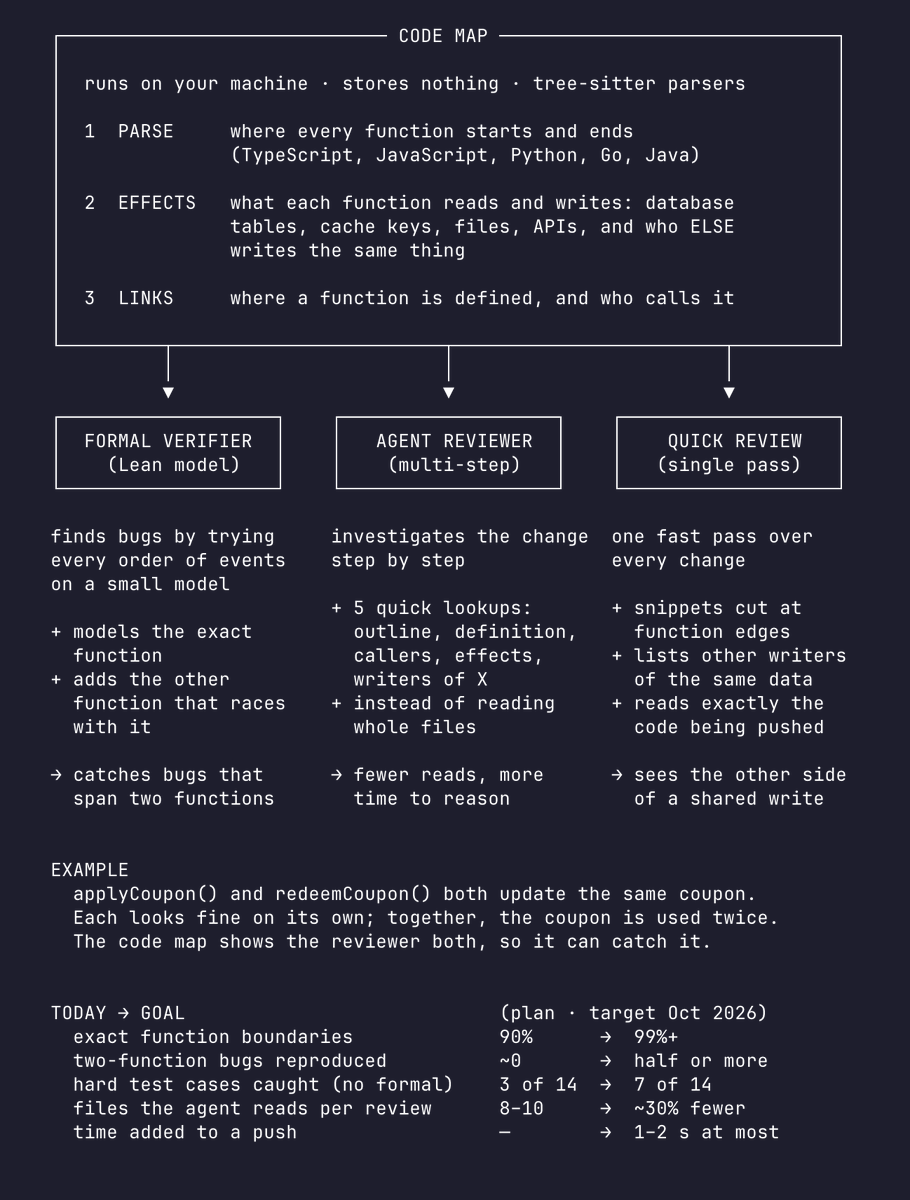
A second builder response came from @jaimefjorge describing (171 views, 3 bookmarks) a new code-map system for Verity.md that uses tree-sitter function boundaries, effect tracking, and quick-review paths so a peer-review agent can reason under tight time budgets without full repository access. That paired closely with @awakecoding saying (284 views) that Claude Code's CI feedback surface felt more compact and legible than GitHub Copilot's agent-merge feature, because Copilot only surfaced that it had “checked” the PR rather than showing what state changed.
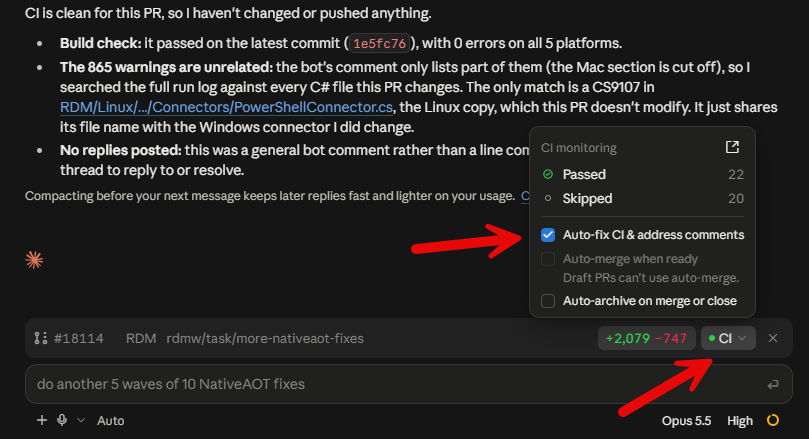
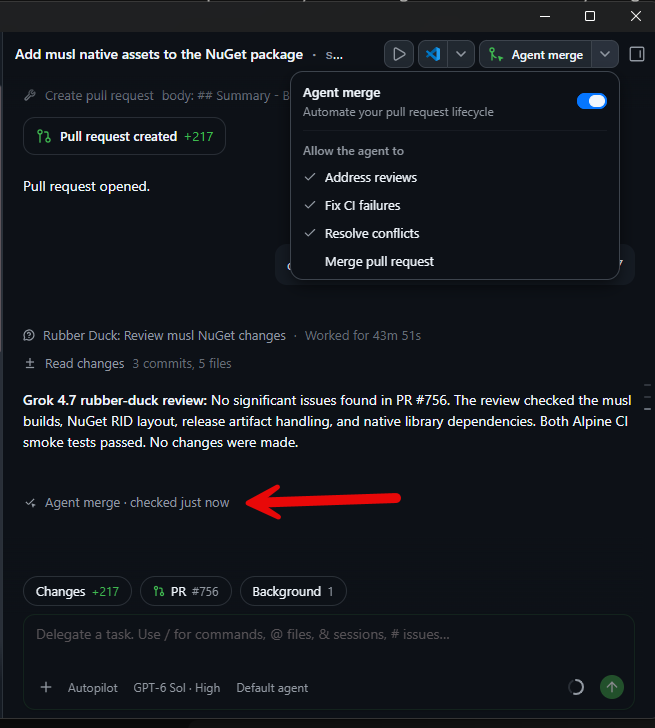
The smallest but most reusable tactic came from @kloss_xyz asking (23 likes, 4 replies, 1,515 views, 30 bookmarks) agents to list every assumption, mark each one “verified” or “guessed,” propose a surgical fix, and then stop for manual review. One reply tightened the method further by asking for file:line citations on every “verified” claim.
Discussion insight: The feed was not just complaining about review. It was converging on a shared diagnosis: context-rich reviewers, priority ranking, exact function boundaries, and explicit uncertainty reporting are now product requirements, not optional polish.
Comparison to prior day: September 26 already had “review took two days” complaints. September 27 added concrete operator tools, diagrams, and UI comparisons for coping with that bottleneck.
1.3 Antigravity stayed visible, but the louder story was that it still feels late and stale (🡒)
Google's Antigravity still held attention, but the attention split between practical workflow hacks and a more persistent feeling that the product is behind peers on model freshness and ergonomics. At least four items supported the theme: Ai with Abbas' NotebookLM pairing, Sahil Panhotra's stale-model complaint, ZypherHQ's viral backlash, and Jonathan Wilke's argument that explicit plan mode should not exist anymore.
@AiwithAbbas drove (57 likes, 23 replies, 1,670 views, 44 bookmarks) the most obviously positive Antigravity post of the day by pairing it with NotebookLM and then unpacking four specific prompt patterns in replies: research assistance, YouTube breakdowns, content repurposing, and study guides. That mattered because it showed users still extracting real utility from the stack even while the surrounding sentiment stayed harsh.
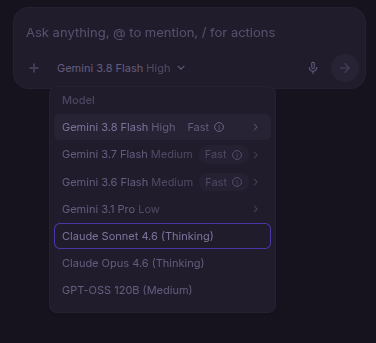
But the negative side carried more weight. @SahilPanhotra argued (240 likes, 48 replies, 11,904 views, 13 bookmarks) that Google still had not refreshed the Claude options inside Antigravity, and the attached model picker made the complaint concrete by still showing Claude Sonnet 4.6 and Opus 4.6. @ZypherHQ quote-tweeted (137 likes, 19 replies, 16,024 views) the official /plan rollout and said Antigravity was “stuck in the stone age,” while replies mostly reinforced the “too many launches, not enough polish” angle instead of defending the feature.
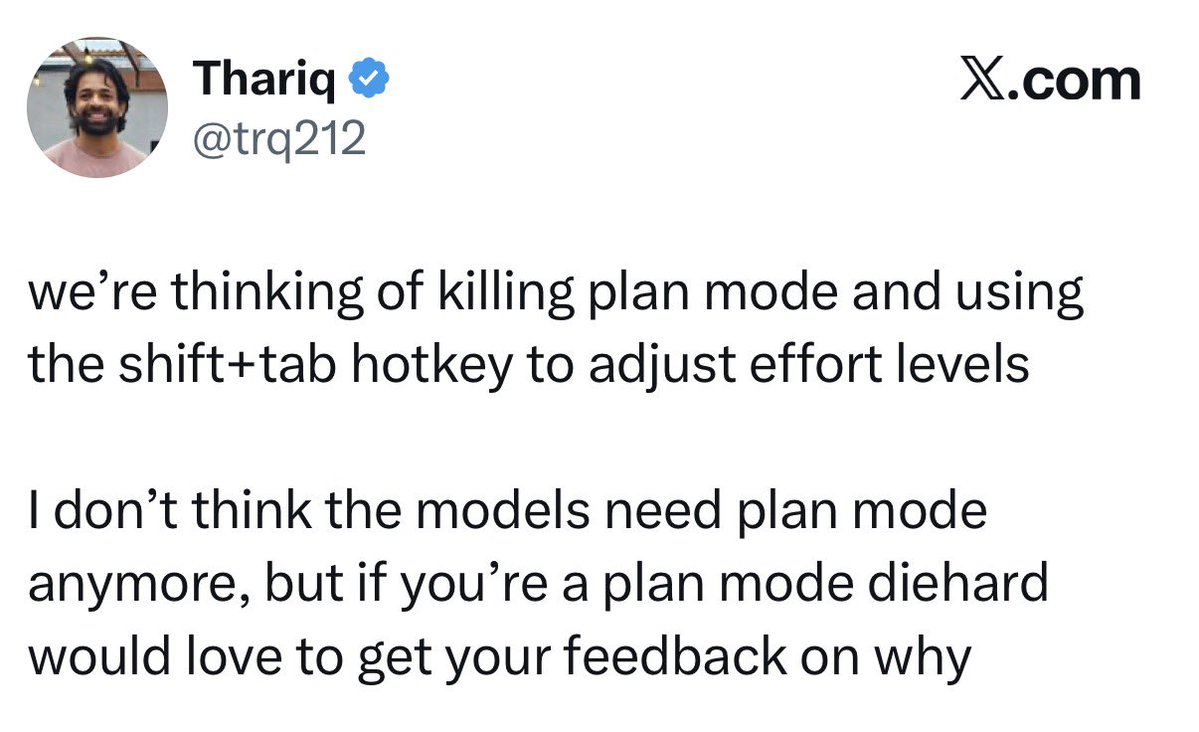
@jonathan_wilke went further (13 likes, 10 replies, 2,949 views, 2 bookmarks) and said there was “absolutely no need for a plan mode,” arguing that the model or harness should simply keep the user in the loop for relevant decisions. The attached image mattered because it surfaced a quoted internal-sounding suggestion that plan mode could be killed in favor of effort controls, which turned the complaint into a workflow-philosophy argument rather than a generic anti-Google jab.
Discussion insight: The feed was not rejecting structured planning outright. It was rejecting the idea that structured planning compensates for stale model options or makes a lagging harness feel current.
Comparison to prior day: September 26 treated /plan as a major sentiment flashpoint and paired it with account-friction complaints. September 27 kept the workflow debate alive, but the sharper complaint was that the models themselves still felt old.
1.4 OpenAI and Codex discussion shifted from raw model hype to quotas, tiers, and service surfaces (🡕)
OpenAI conversation stayed dense, but the center of gravity moved toward what people would actually get for their money and latency. At least six items supported the theme: disappearing usage multipliers on the Pro page, a $500 “Pro Max” leak, a surfaced “ultrafast” tier, Theo's usage math on Opus 5.5, direct out-of-credits screenshots, and paying users publicly leaving Codex for Claude.
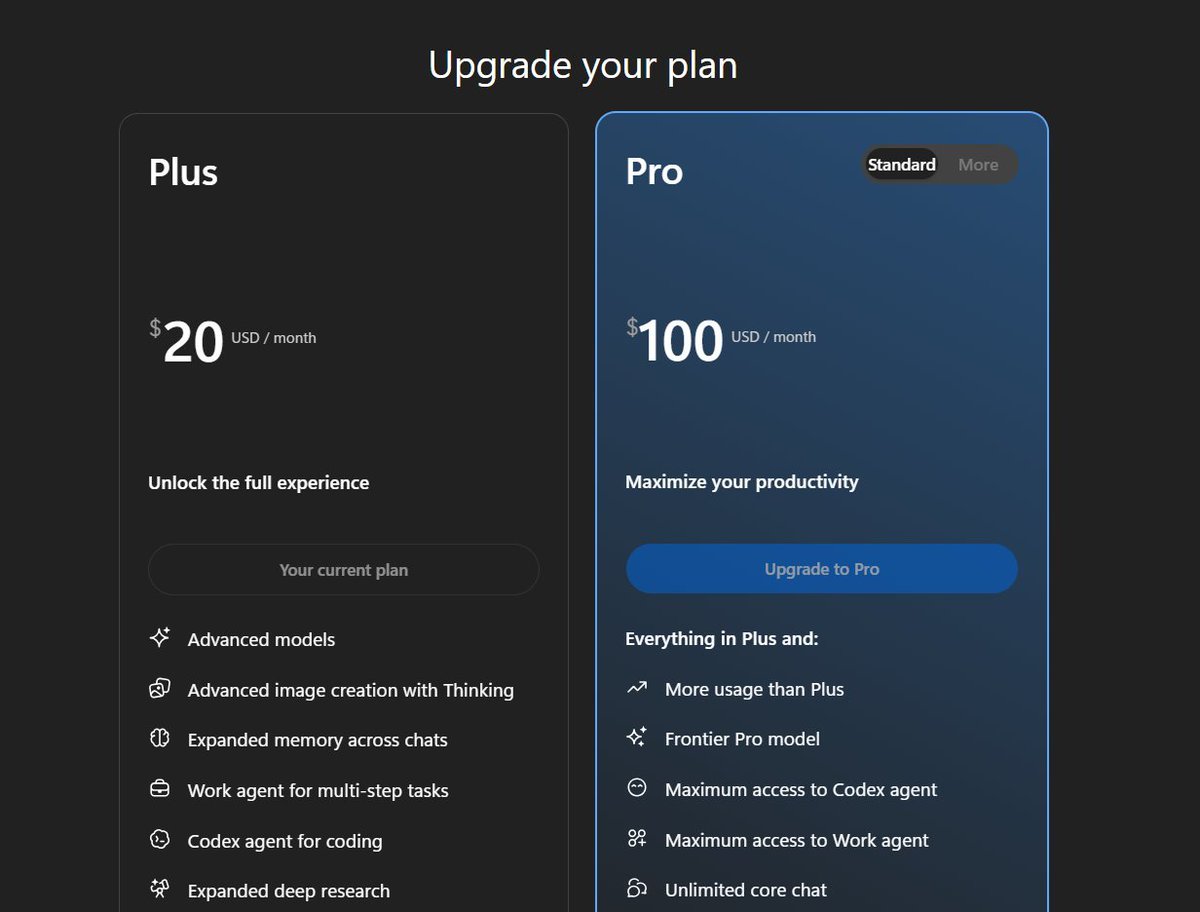
@CodexResets1 said (91 likes, 6 replies, 12,775 views, 8 bookmarks) that OpenAI's Pro pricing page had stopped showing the old 5x and 20x usage language. The attached screenshot showed the crucial change: the product still costs $100 per month, but the differentiator is now phrased only as “More usage than Plus,” which made the complaint about transparency hard to dismiss as rumor.
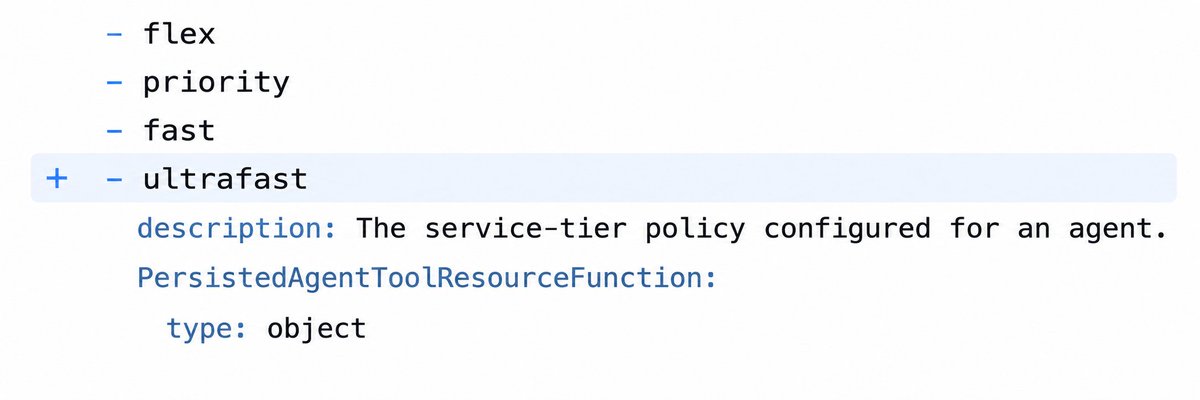
@13_niakris posted (3 likes, 1 reply, 16 views, 1 bookmark) a frontend-code leak pointing to a $500-per-month “ChatGPT Pro Max” tier, framed around “Fastest Work and Codex” rather than a smarter model. @CodexResets1 added (17 likes, 1,525 views, 3 bookmarks) a screenshot of an ultrafast agent service-tier field, which pushed the conversation even further toward paid control surfaces for long-running work rather than simple “best model wins” language.

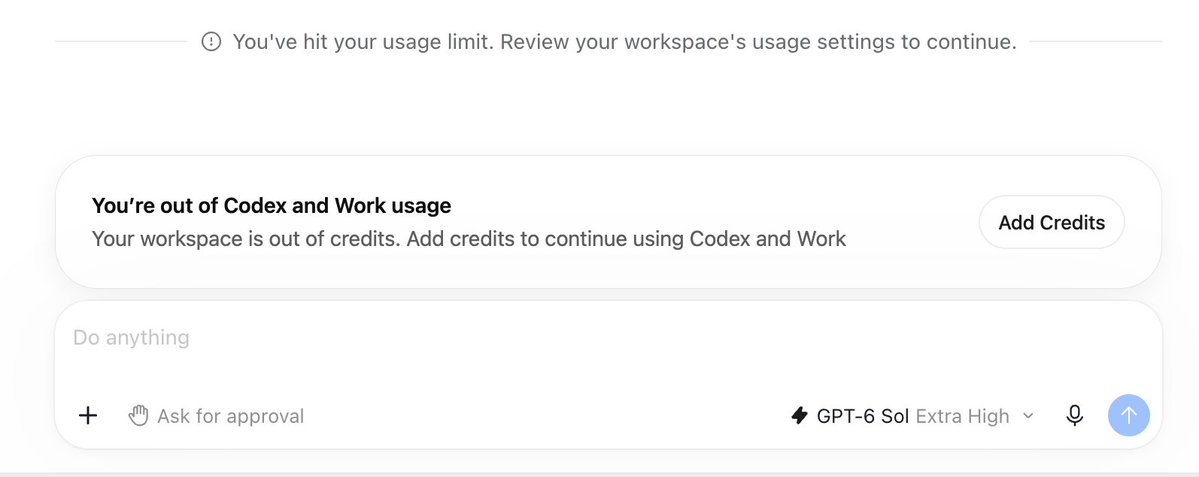
The migration pressure was visible in first-hand usage posts. @theo explained (66 likes, 10 replies, 2,382 views) why Opus 5.5 felt “practically unlimited” next to Fable 5.1: half-limit policy on Fable plus lower per-task cost on Opus 5.5. @ann_nnng showed (2 likes, 2 replies, 250 views) a live “You're out of Codex and Work usage” screen after a simple project, and @samifathi said (4 likes, 2 replies, 453 views) even a 20x Pro Codex plan was not enough to keep the author from moving back to Opus 5.5.

Discussion insight: The feed increasingly treated frontier coding tools like cloud plans: clarity, latency, weekly headroom, and failure behavior mattered at least as much as benchmark prestige.
Comparison to prior day: September 26 centered on resets, outages, and routing logic. September 27 kept the pricing anxiety but narrowed it onto product packaging: vague usage language, faster paid tiers, and visible migration to whichever plan feels least restrictive.
2. What Frustrates People
Review, CI, and PR legibility are now the tax on fast code generation
The loudest frustration was not that agents fail to write code. It was that humans still have to understand and verify what the agents wrote. @NickADobos argued (100 likes, 10 replies, 16,206 views, 41 bookmarks) that stacked PR workflows can turn AI speed into CI bills, while the quoted @Altimor complaint framed CI as the top engineering bottleneck. @mjovanovictech added (67 likes, 12 replies, 5,279 views, 49 bookmarks) the more unsettling version of the same problem: a large runtime rewrite can land with major speedups even when “nobody read every line.”
The coping strategies in the feed were all review aids, not generation aids. @tonysimons_ pointed people to Jev Code Reviewer so they can open P0 logic first; @awakecoding preferred Claude Code's compact CI/PR surface over Copilot's vaguer agent-merge wording; and @kloss_xyz suggested forcing the model to separate verified facts from guesses before any edit is applied. Severity: High. Worth building: High.
Premium Codex usage still feels too opaque and too easy to exhaust
The second frustration was that premium pricing does not reliably translate into predictable headroom. @CodexResets1 showed (91 likes, 6 replies, 12,775 views, 8 bookmarks) the Pro page dropping explicit 5x/20x language in favor of “More usage than Plus,” while @13_niakris layered in a speculative $500 Pro Max tier built around “Fastest Work and Codex.” That combination reads less like clarity and more like moving targets.
First-hand usage reports made the frustration concrete. @ann_nnng hit (2 likes, 2 replies, 250 views) a live “out of Codex and Work usage” state on a small vibe-coding project, and @samifathi said (4 likes, 2 replies, 453 views) that even a 20x Pro Codex plan was not generous enough to stop a move back to Opus 5.5. In the other direction, @theo treated Claude's relative generosity as the main reason Opus 5.5 felt practically unlimited. Severity: High. Worth building: High.
Antigravity still does not feel current enough for the hype around it
Antigravity's specific frustration was not lack of ideas. It was that people still do not trust the execution layer. @SahilPanhotra pointed at old Claude versions still visible in the picker, @ZypherHQ described the product as stuck in the “stone age,” and @jonathan_wilke said explicit plan mode should not exist at all if the model or harness already knows when to slow down and ask for input.
That frustration is more serious because positive posts did not really contradict it. @AiwithAbbas showed that people can still get value by pairing NotebookLM with Antigravity, but that is a workflow hack, not proof that the core coding surface feels ahead of peers. Severity: Medium-High. Worth building: Medium-High.
3. What People Wish Existed
One portable skills-and-artifacts layer that survives tool switching
The clearest structural need was continuity across shells. @github pitched isolated parallel sessions, @RoundtableSpace amplified reusable skills, and @Filecoin made the case for one install path across Claude Code, Codex, Cursor, Gemini CLI, GitHub Copilot, and OpenCode. @cryptowluha then pointed to the Codex paper's 26.6% skills usage as evidence that reusable workflow packaging is not fringe behavior anymore.
What people seem to want is a layer where the skill, the artifact, and the handoff survive whichever shell is fashionable this month. That is a direct need, not a speculative one. Opportunity: Direct.
Review surfaces that explain priority, uncertainty, and current state
The second need was legibility after generation. @tonysimons_ pushed Jev because people need ranked attention, not another full diff; @awakecoding wanted CI and PR state visible right where the prompt lives; @jaimefjorge worked on exact function boundaries and effect maps; and @arkyyang summarized a paper arguing that retry, visibility, and exactly-once behavior belong in the tool contract, not just the model prompt.
This is more than a desire for “better code review.” People want systems that say what changed, what is risky, what was only guessed, and which operations might have duplicated or partially failed. Opportunity: Direct.
Pricing, headroom, and latency controls that feel predictable to heavy users
The third need was pricing clarity that maps to real work. @CodexResets1 focused on disappearing usage multipliers, @13_niakris on a possible $500 Pro Max tier, @theo on per-task efficiency differences, and @samifathi on switching away despite already paying for a premium plan.
This is not simply “make it cheaper.” It is “tell me what I will get, let me route the right jobs to the right tier, and do not surprise me mid-session.” The market already looks competitive, so the opportunity is real but crowded. Opportunity: Competitive.
4. Tools and Methods in Use
| Tool | Category | Sentiment | Strengths | Limitations |
|---|---|---|---|---|
| GitHub Copilot app | Agent shell | (+/-) | Parallel sessions, isolated Git worktrees, preserved per-session context | Humans still have to coordinate continuity and resolve merge conflicts (source) |
| OpenAI Agent Skills | Skill packaging | (+/-) | Reusable folders of instructions, scripts, and resources; strong portability story | The repo is now marked deprecated in favor of newer plugin examples; setup/dependency caution showed up in replies (source) |
| Filecoin publish skill | Storage skill | (+) | One install across major agent shells; returns public verified CID links for outputs | Requires mainnet wallet funding and spend approval (source) |
| Microsoft Copilot Managed Runtime | Hosted runtime | (+) | Runs apps inside the Microsoft 365 tenant boundary with identity, governance, inventory, and admin controls | Still in preview / Frontier rollout and primarily relevant to Microsoft-centric organizations (source) |
| Claude Code + Opus 5.5 | Coding agent + model | (+) | Strong perceived performance, lower per-task cost than Fable 5.1 in Theo's example, generous felt headroom | Users still discuss 5-hour limits and the risk of future tightening |
| Codex / GPT-6 Sol | Coding agent + model | (+/-) | Popular terminal workflow, active tier experimentation, large premium plans available | Credit burn, vague usage language, and abrupt exhaustion are frequent complaints (source) |
| Antigravity | Coding agent | (-) | NotebookLM pairing and explicit planning workflow still attract experimentation (source) | Stale model lineup, persistent “behind peers” framing, and skepticism about whether plan mode is even needed |
| Jev Code Reviewer | Review tooling | (+) | Priority-ranked P0/P1/P2 diffs, natural-language logic view, local-first review flow | Default coverage only analyzes the first 12 change units unless widened (source) |
| Open-Agent-DB | Registry / discovery | (+) | 3.48M+ indexed assets, 113k+ MCP servers, FTS5 plus dense vector search across seven ecosystems | Newly launched, early validation, and a very large offline database for full local use (source) |
| Isoquant | Inference API / endpoint | (+) | OpenAI-compatible endpoint, lower-latency GLM-5.3-Flash numbers, caching and tool support | Very new service in the feed, with limited independent validation so far |
Overall satisfaction was not split into “good products” and “bad products.” It was split into products people could route and inspect versus products that still surprised them. Claude Code benefited from being described as both stronger and less restrictive in practical use, while Codex still kept mindshare because people want its terminal workflow and follow each new surface leak closely. The common workarounds were to rank review attention, force models to disclose assumptions, move artifacts into portable storage, and route cheap or high-volume tasks to lower-cost endpoints.
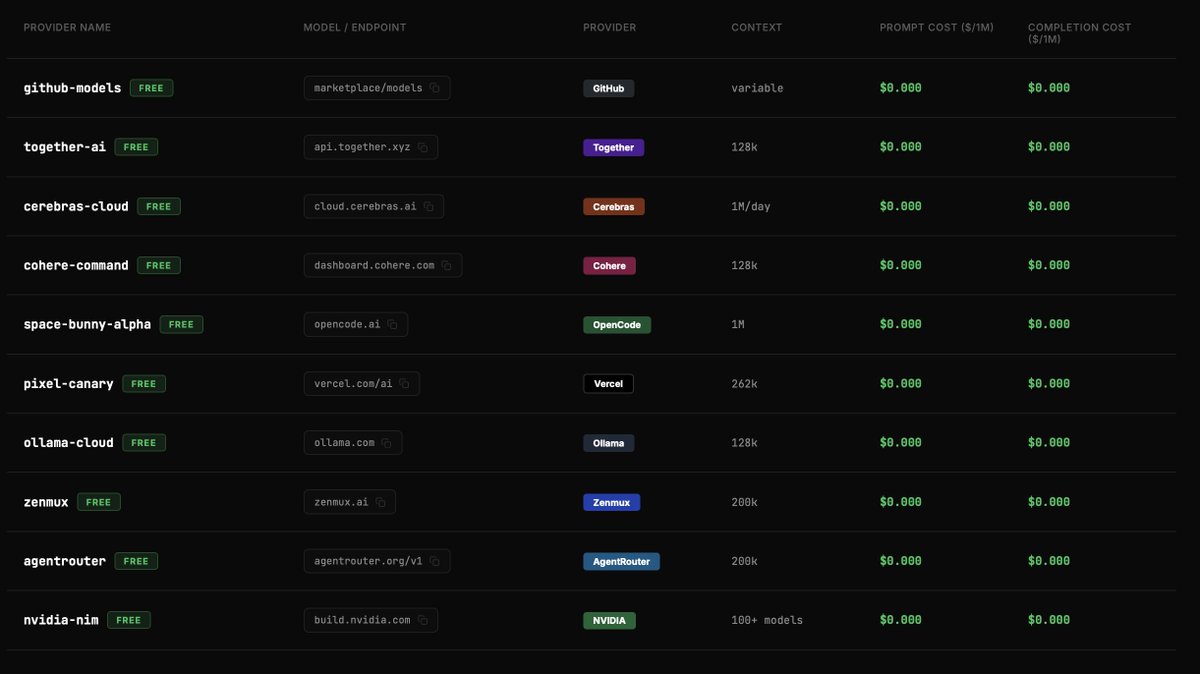
The migration pattern was also clearer than yesterday: people were not just comparing models, they were comparing subscription behavior. @samifathi treated a 20x Codex plan as insufficient, while @theo framed Opus 5.5's advantage as a combination of policy and efficiency, not pure intelligence. The competitive dynamic around free or low-cost endpoints was noisy too. @0x_kaize shared (38 likes, 14 replies, 2,432 views, 30 bookmarks) a popular free-API table that still listed GitHub Models, but GitHub's own documentation and changelog say the service was fully retired on July 30, 2026. That mismatch is its own market signal: curated cheat sheets are aging faster than the platform landscape.
5. What People Are Building
| Project | Who built it | What it does | Problem it solves | Stack | Stage | Links |
|---|---|---|---|---|---|---|
| Agent Skills | @RoundtableSpace amplifying OpenAI | Public catalog of reusable Codex skills and skill packaging examples | Repeating the same agent workflows manually across sessions and repos | Markdown skill folders, scripts, Codex skill catalog | Shipped | repo, post |
Filecoin publish skill |
@Filecoin | Publishes any local file or folder to Filecoin Warm Storage and returns a public verified CID link | Agent outputs need a durable, shareable artifact that survives the chat window | npx skills add, Filecoin Warm Storage, cross-agent skill install |
Shipped | repo, post |
| Jev Code Reviewer | @tonysimons_ highlighting egma-ai | Rewrites large PRs into P0/P1/P2 review units with natural-language explanations | Humans cannot comfortably review 230-file agent PRs in raw diff order | JavaScript, local CLI/server, Chrome extension, OpenAI + TypeSafe | Beta | repo, post |
| Open-Agent-DB | @ns0bj | Offline-first registry and semantic search engine for skills, MCP servers, directives, and agent rules | Agent assets are fragmented across registries, repos, and docs | Python, Node, SQLite FTS5, Parquet embeddings, Hugging Face dataset | Beta | repo, post |
| geo-sleuth | @DanKornas amplifying Oldcircle | Cross-agent skill that geolocates a photo and returns a documented location hypothesis with evidence | Image-based investigations still require too much manual map work | Python, SKILL.md, OpenStreetMap, elevation data, satellite imagery, street view |
Beta | repo, post |
| GAAI | @DanKornas | Folder-based governance framework that splits discovery from delivery and treats the backlog as the contract | Fast agents drift out of scope and need clearer acceptance boundaries | Backlog workflow, isolated Claude/Codex sessions, staged planning / implementation / QA | Alpha | post |
| Godmode Bot | @daniiie7 / Codext | Persistent AI coworker with real-browser access, encrypted login vault, and agent memory | Agents stop at login screens or need unsafe secret handling | TypeScript, Tauri, Claude Code, browser-use, encrypted vault, web dashboard | Beta | repo, post |
The most important build pattern was not “another full IDE.” It was packaged capability. OpenAI's skills repo, Filecoin's publish skill, and geo-sleuth all pointed to the same idea: ship a workflow once as a skill folder, then let Claude Code, Codex, Cursor, Gemini CLI, Copilot, or OpenCode consume it with minimal translation. The OpenAI repo itself is already deprecated in favor of plugin examples, but the portability pattern is still alive in the projects people chose to amplify.
A second cluster focused on human control after the agent writes code. Jev and Verity both assume that raw diff review no longer scales, so they narrow attention instead—Jev with explicit P0/P1/P2 prioritization, Verity with function boundaries, effect maps, and quick-review paths. GAAI pushes the same instinct earlier in the lifecycle by trying to keep discovery and delivery separate so scope does not sprawl before code even lands.
The third pattern was access and discovery infrastructure. Open-Agent-DB tries to make the exploding skill / MCP / project-rule ecosystem searchable at internet scale, while Godmode Bot tries to solve the opposite problem: once an agent knows what to do, how do you safely get it through login screens and into a real browser session without dumping secrets into the prompt? Those are different layers of the stack, but both exist because the core model is no longer the only missing piece.
6. New and Notable
The Codex adoption paper turned agentic usage into quantified evidence
@cryptowluha surfaced (3 likes, 1 reply, 103 views, 3 bookmarks) the paper The Shift to Agentic AI: Evidence from Codex. The abstract says Codex active users grew more than fivefold in the first half of 2026, more than 10% of users manage three or more concurrent agents at some point each week, and 26.6% use skills to share instructions for complex workflows. That matters because several of the day's highest-signal posts were about worktrees, skills, and parallel sessions; the paper suggests those are not niche habits anymore.
SkillGym pushed the skills conversation from packaging into model training
@dair_ai highlighted (3 likes, 700 views, 3 bookmarks) SkillGym, a paper built around turning human-written skills into executable training environments. According to the abstract, SkillGym constructs 2,756 environments, collects 8,364 successful trajectories, and then improves Qwen3.5-35B-A3B by 19.10 points on Terminal-Bench 2.1 and 28.13 points on skill-assisted SkillsBench v1.1. That is notable because today's social feed treated skills as portable folders and installable workflows, while SkillGym argues that the same material may be more valuable when internalized into the model.
Exactly-once research made tool contracts a first-class AI coding concern
@arkyyang summarized (177 views) the paper Where Does Exactly-Once Live?, which asks whether duplicate side effects should be solved by the model, the harness, or the tool contract. The abstract's sharpest result was that idempotency keys lowered duplicate rate from 28% to 4%, while model quality mattered far less once requests were still in flight or delivered twice. That matters because the rest of the feed kept circling review, CI, and billing trust problems: reliability is moving outward from the model into the interfaces and contracts around it.
7. Where the Opportunities Are
[+++] Review-control planes for agent-written changes — Evidence came from every angle: stacked PR and CI complaints (source), “nobody read every line” rewrite stories (source), ranked-diff tooling like Jev (source), Verity's code-map work (source), and the exactly-once paper's warning that agents often overclaim success when side effects duplicate (source). The opportunity is strong because the pain is high, the workarounds are clumsy, and people are already testing point solutions.
[+++] Cross-agent skills, artifacts, and workflow portability — GitHub's worktree sessions, OpenAI's skills framing, Filecoin's one-install publish skill, geo-sleuth's SKILL.md packaging, Open-Agent-DB's discovery layer, and the Codex paper's 26.6% skills usage all point the same way. People are clearly betting that the durable unit is not the agent shell but the reusable workflow and the artifact it leaves behind.
[++] Usage-budget orchestration and latency-aware routing — The feed showed vague Pro wording, possible $500 tiers, a surfaced ultrafast mode, live out-of-credits screens, and public migration to Opus 5.5 because the plan felt less restrictive. A product that can make limits predictable, route tasks by urgency and cost, and explain remaining headroom in plain terms would meet an immediate need, but this is a competitive area with many incumbents.
[+] Login-aware, governed always-on agents — Microsoft's Managed Runtime and Autopilot framing plus Godmode Bot's encrypted browser-login vault suggest a growing opening for systems that let agents keep working in real tools without turning secret handling into prompt text. The signal is still early, but the missing piece is concrete: access to real systems without sacrificing governance.
8. Takeaways
- The conversation is moving from agent shells to reusable operating primitives. Parallel worktrees, portable skills, cross-agent publish flows, and tenant-hosted runtimes all drew real attention today, which means users increasingly care about what persists around the model, not just the model itself. (source)
- Review has become the main bottleneck after generation. The strongest complaints were about CI cost, giant PR comprehension, and vague merge-state UX, while the most promising builder responses all focused on prioritization, verification, and state visibility. (source)
- Antigravity still has workflow interest, but not product trust. Users are still experimenting with NotebookLM + Antigravity combinations, yet the louder posts were about stale Claude options and whether plan mode is even solving the right problem. (source)
- OpenAI's immediate challenge is not only model quality; it is usage clarity. Premium Codex users kept surfacing vague wording, new tier rumors, and abrupt exhaustion states, while competing plans won praise simply for feeling more usable. (source)
- Skills are becoming both a product surface and a research object. Social posts treated skills as installable workflow packages, while the day's papers argued that skills are also measurable adoption units and even training data for better agent models. (source)